
Last updated November 24, 2026
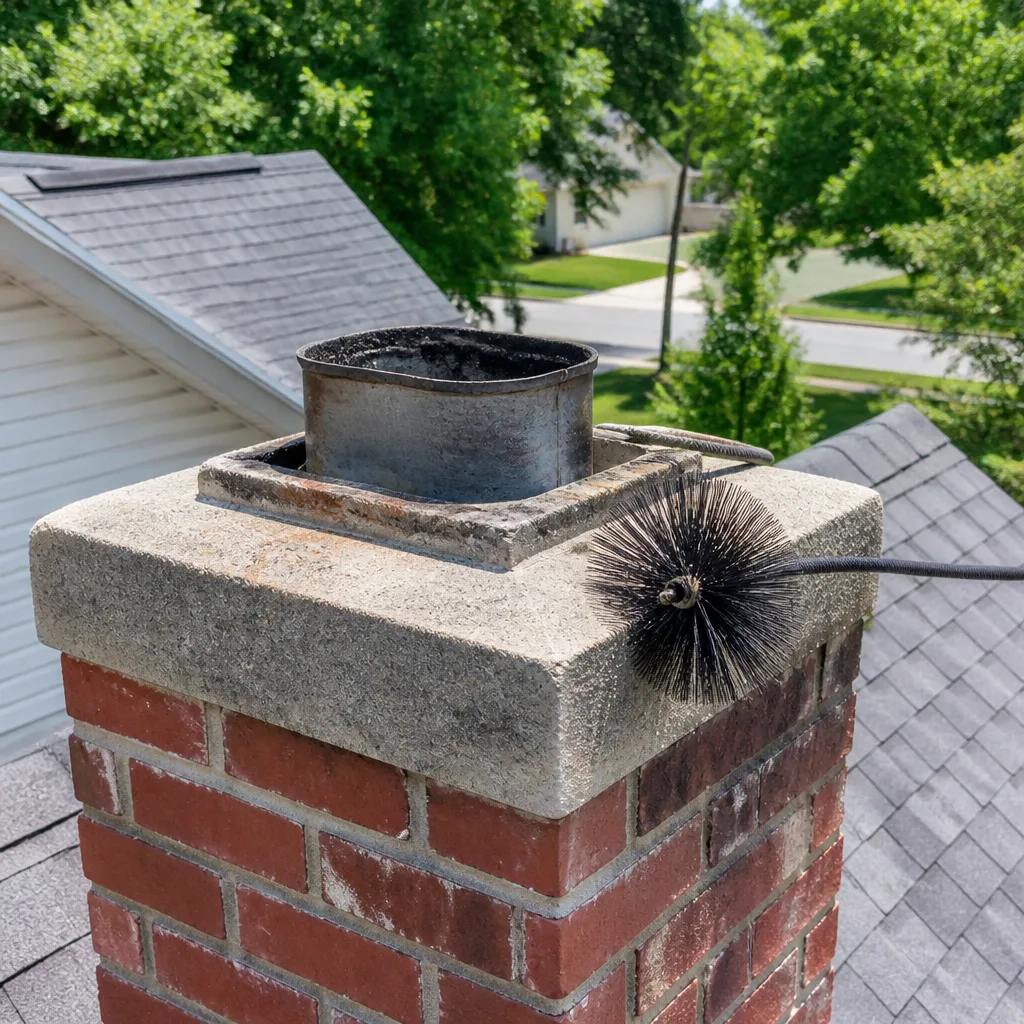 Sweep & inspection
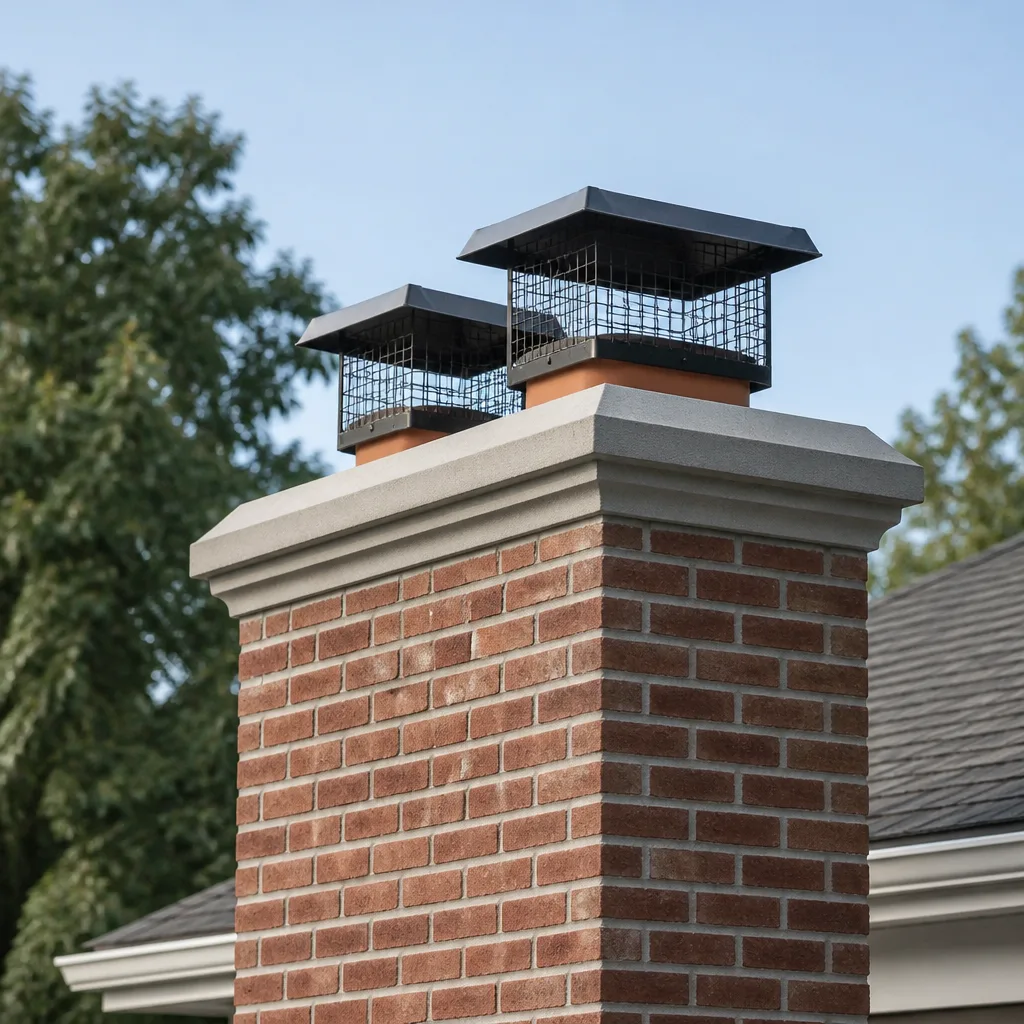 Caps & crowns
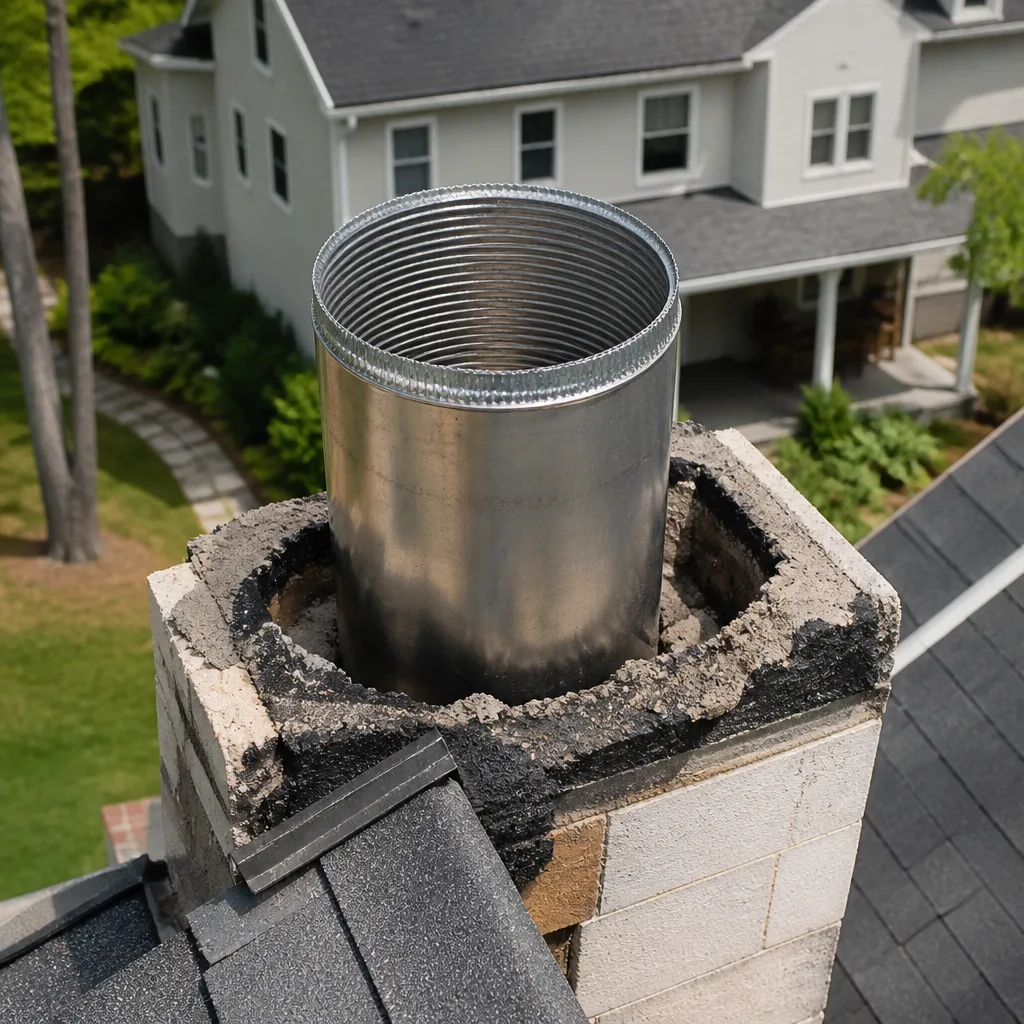 Flue relining
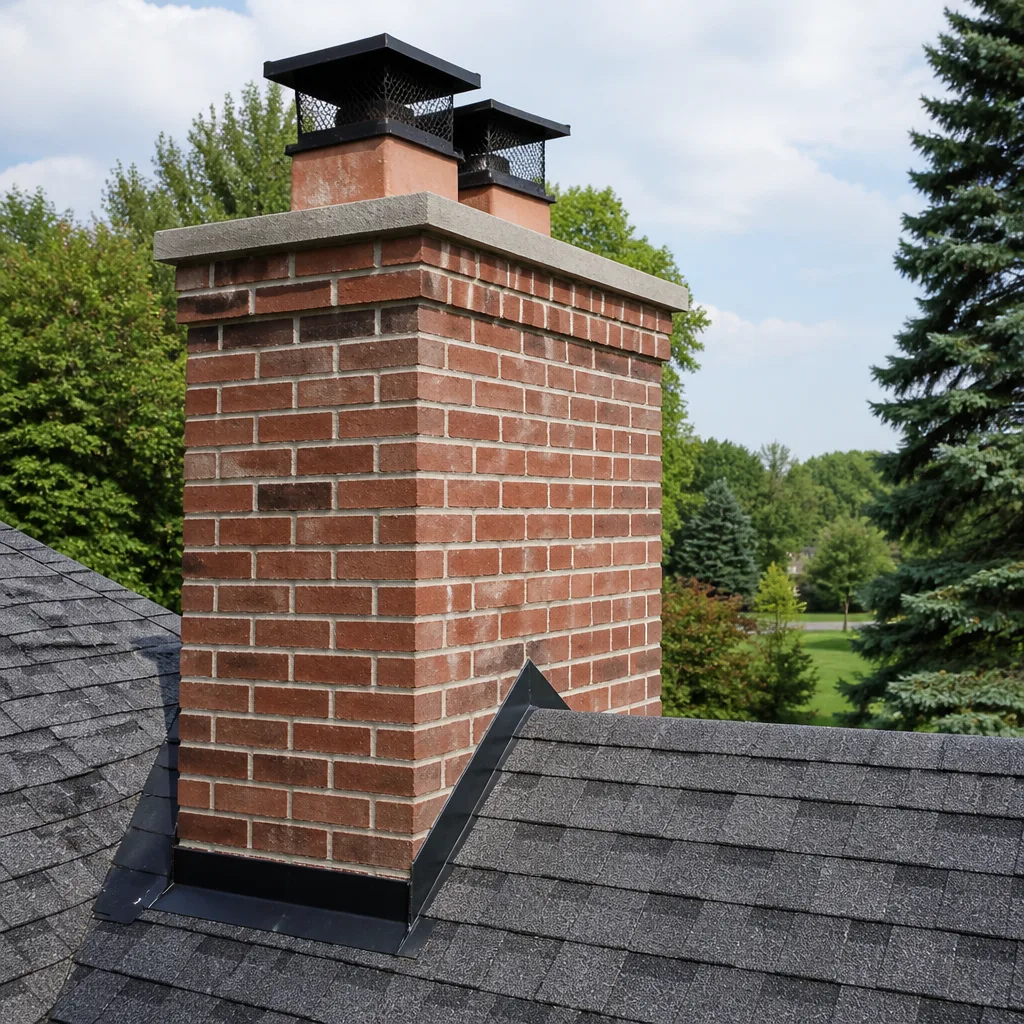 Masonry repair
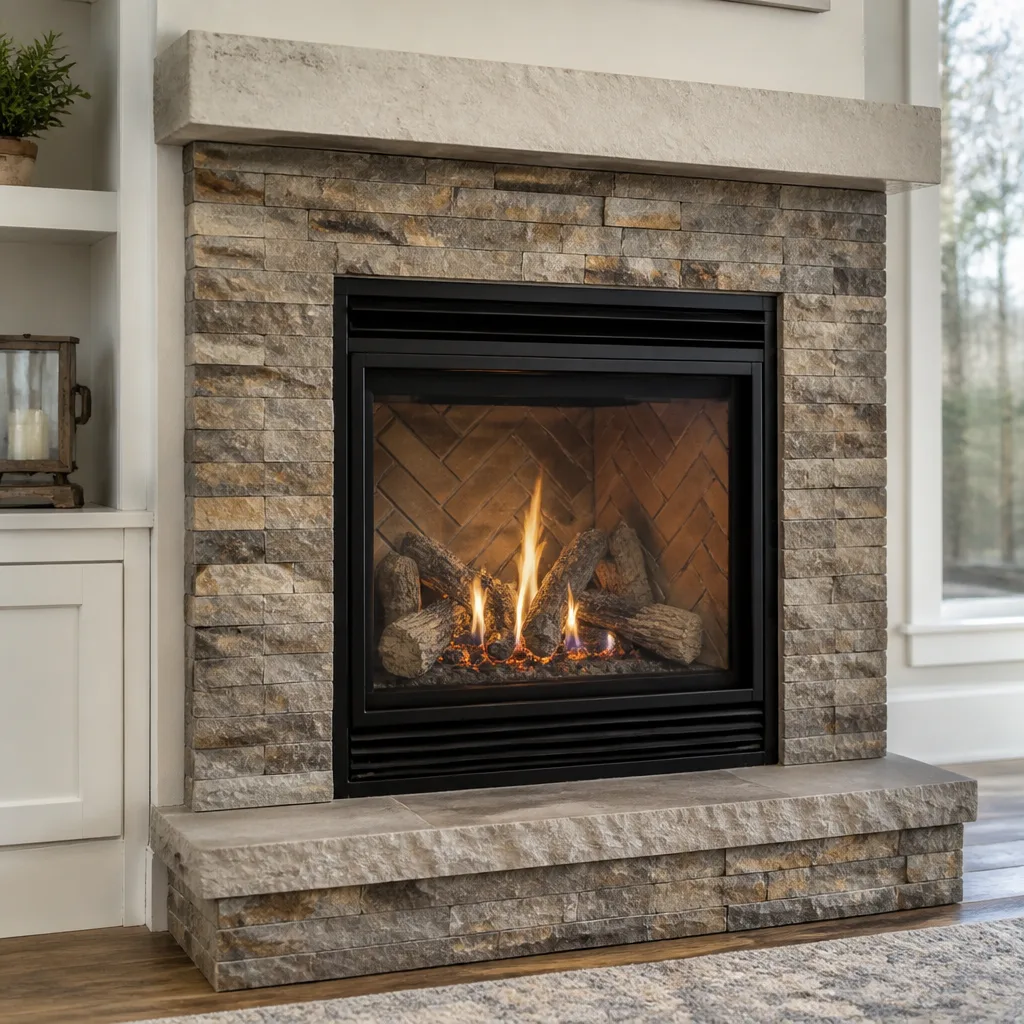 Gas fireplace service
Level 1 sweep and inspection to the NFPA 211 annual standard - flue, crown, cap, and flashing checked and photographed
Chimney sweep logs do not sweep chimneys. They loosen some creosote - which then falls where a brush and vacuum still have to collect it.
The Complete Guide to Chimney Cleaning in American Fork
Most chimney fires don’t start because a homeowner skipped a cleaning. They start because the homeowner didn’t know what “clean enough” actually means for their appliance and flue type. A wood stove running hard through a Utah County winter builds creosote differently than a gas log set that never shows a speck of soot, and both can hide trouble that a quick brush pass won’t touch. In American Fork, where cold snaps arrive fast and the valley holds its smoke, that difference matters more than most homeowners realize. This guide walks you through what a real cleaning involves, how the local climate changes the schedule, and how to read the report you get afterward.
Quick Answer
A chimney cleaning in American Fork removes creosote, soot, and debris from the flue and firebox so the chimney vents safely, and it should be done once a year for wood-burning appliances and checked regularly for gas. The right cleaning depends on your appliance and flue type, not on how the firebox looks from the living room, which is why a proper inspection comes first and a sweep follows the evidence.
Styles & brands we work with
- Sweep & inspection
- Caps & crowns
- Flue relining
- Masonry repair
- Gas fireplace service
Table of Contents
- Why Chimney Cleaning Matters in American Fork
- How Inversion Season Changes Creosote Buildup
- Level 1, 2, and 3: Which One Applies to You?
- Why Gas Fireplace Flues Still Need Cleaning
- What Rotary Tools Find That Brushes Miss
- How to Read a Chimney Sweep’s Report
- How Often Should You Schedule Cleaning?
- What Does Chimney Cleaning Cost in American Fork?
Why Chimney Cleaning Matters in American Fork
A chimney is a vent, and a vent’s only job is to carry combustion gases out of your home. When creosote, soot, or debris narrow that passage, the chimney stops doing its job well. Creosote is the dangerous part: it’s a tar-like residue that builds in layers and can ignite when flue temperatures climb. A chimney fire can burn hot enough to crack masonry, warp a metal liner, or spread into the structure around the flue.
American Fork sits in a mountain valley where winters are cold and long enough that wood-burning fireplaces see real, sustained use. That matters because creosote accumulates over hours of burn time, not over a single evening. Homes here that run a fire most winter evenings can build a measurable layer within a single season. Gas appliances have their own issues, covered further down.
Cleaning also protects the parts of the chimney you can’t see from the hearth: the smoke chamber, the damper shelf, the top of the flue. Debris collects there year-round, and animals find an open flue a fine place to nest. A full cleaning from the firebox to the crown clears all of it, not just the firebox floor.
We treat sweeping as a full-system service at Chimney Sweep American Fork because cleaning without checking the flue, cap, and crown leaves you guessing about the parts that fail first. If you’ve been told by a home inspector or your insurer that the chimney needs attention, the cleaning is usually where that conversation starts.
How Inversion Season Changes Creosote Buildup
Utah’s winter inversions trap cold air and smoke in the valley, and that has a direct effect on how a chimney drafts. When the atmosphere above the valley is warmer than the air at ground level, smoke and combustion gases rise more slowly out of the flue. A chimney that pulls well on a clear January day can run sluggish during a multi-day inversion, and a sluggish chimney gives creosote more time to condense on the flue walls instead of exiting the stack.
That’s the part most cleaning guides skip. In American Fork, the burn schedule and the weather are working together to decide how fast creosote forms. Here’s what that means in practice:
- Slow, smoldering fires during an inversion deposit more creosote than hot, bright fires, so running a fire damped down for hours is the worst case for flue buildup.
- Cooler flue walls condense more creosote, and a cold exterior flue reaches temperature more slowly than an interior one, which is common in some American Fork homes.
- Longer burn seasons mean more total burn hours, and creosote accumulates by hours, not by evenings.
In our experience, homes that burn wood regularly through a Utah County winter tend to need their flue checked sooner than the old “once a year is fine” rule would suggest. The annual sweep is still the standard baseline, but the inspection that goes with it is what tells you whether a mid-season check makes sense.
One more local factor: inversion season also means a smoky flue can back-draft into the room if the flue is restricted. A cleaning that clears the passage restores the draft, which is often the first thing a homeowner notices after we finish.
Level 1, 2, and 3: Which One Applies to You?
The chimney industry sorts inspections into three levels, and knowing which one you’re getting matters because the cost and the depth of the inspection differ. A routine annual cleaning is paired with a Level 1 inspection. Higher levels apply when something changes or something is already suspect. Here’s the difference:
- Level 1 is a visual check of the accessible parts of the chimney and venting, done during normal service. It’s the right call when the appliance is unchanged and there’s no known problem.
- Level 2 goes further, including the areas that aren’t readily accessible, and it’s the level that applies when you’ve added or replaced an appliance, moved into a new home, had a chimney fire, or had a weather event affect the chimney.
- Level 3 is diagnostic and may involve removing parts of the chimney or surrounding structure to find a hidden problem. It’s reserved for specific, suspected issues.
Most American Fork homeowners scheduling routine cleaning are getting a Level 1 inspection with their sweep, and that’s the correct baseline. The confusion usually comes when a homeowner assumes a cleaning is a full inspection. They’re related, but they aren’t the same thing, and the cleaning report should tell you plainly which level was performed.
If you’ve just bought a home in American Fork, a Level 2 inspection before your first fire is the sensible move. You don’t know how the previous owner ran the appliance or what the flue looks like inside. Know exactly what’s inside your flue before the season starts, and the rest of your decisions get easier.
We plan the cleaning around that answer. If the inspection flags a problem beyond cleaning, our chimney repair service picks up where the sweep leaves off, so you aren’t coordinating two contractors over the same flue.
Why Gas Fireplace Flues Still Need Cleaning
Gas fireplaces don’t produce creosote, but their flues still need attention. A gas appliance can vent fine one season and develop a restriction the next, and the signs are easy to miss because there’s no soot to see from the hearth. So what actually builds in a gas flue?
Gas combustion produces water vapor as a byproduct, and that moisture can combine with dust and venting conditions to leave residue inside the flue. Gas fireplaces also pull in dust and debris from the room, and the venting path collects it over time. Add birds, insects, and the general grit that finds an open chimney, and a gas flue can be genuinely restricted without anything visible on the firebox floor.
The bigger risk with gas is the venting itself: a blocked or disconnected flue can push combustion gases, including carbon monoxide, back into the living space. That’s why the inspection matters as much for a gas log set as for a wood-burning fireplace. A cleaning confirms the flue is clear; the inspection confirms the venting is intact and correctly connected.
Gas fireplaces in American Fork homes are common, and a lot of them get their first cleaning years after installation. If yours has never been checked, the annual sweep is a reasonable way to establish a baseline. Our fireplace repair service covers the appliance side when the inspection finds something wrong with the logs, burner, or venting connection.
What Rotary Tools Find That Brushes Miss
A standard hand brush does useful work on a straight run of flue. What it misses is the pitted, crusted, and glazed creosote that clings to older masonry flues, plus the offset sections and smoke chamber angles where a brush can’t reach with much force. That’s where contractor-grade rotary equipment earns its place.
Rotary cleaning uses a motor-driven head with interchangeable attachments to scrub the flue wall at speed. It reaches the glazed third-degree creosote that a hand brush glides over, and it works the smoke chamber and the top of the flue where a lot of buildup concentrates. The trade-off is that rotary tools need to match the flue type: soft brushes for clay tile, correct sizing, and a trained hand so the flue isn’t damaged in the process. That’s why we run the inspection first and match the method to the flue.
In older American Fork masonry chimneys, rotary cleaning regularly turns up what a quick pass would leave behind:
- Glazed creosote that has hardened into a shell on the tile.
- Crumbling mortar joints between flue tiles, which signal the liner needs attention.
- Cracked or offset flue tiles that let gases escape behind the liner.
- Debris and animal material packed into the smoke chamber.
Findings like these are exactly the reason a cleaning and an inspection belong together. A cleaning that clears the soot but leaves a cracked tile behind hasn’t solved the problem.
When the inspection shows a deteriorated liner, we resurface with HeatShield, a restoration method that repairs a failing flue liner from the inside and saves the expense of a full reline where it’s appropriate. For flues that need a new liner system, we install DuraFlex flexible liner systems. That’s the single-point-of-contact advantage: the same specialist who finds the problem in the flue can address it with the right product rather than handing you off to another contractor.
How to Read a Chimney Sweep’s Report
You hired a sweep to clean a chimney, and the report is how you verify what actually happened. A good report is specific, and you should be able to read it without a glossary. Here’s what to look for when you go through it:
- The cleaning method – how the flue was cleaned and what tools were used, not just “cleaned.”
- The inspection level – Level 1, 2, or 3, and what was examined at that level.
- Condition findings – creosote level and distribution, flue tile condition, mortar joints, cap, and crown.
- Photos or camera documentation – what the inside of the flue looked like before and after.
- What’s safe to use now – a clear statement on whether the appliance can be fired safely.
- What needs attention and when – the difference between “fix now” and “monitor,” stated plainly.
The last one is where reports get vague. A cap with a cracked joint isn’t an emergency today, but it lets water into the masonry, and a cracked crown can become a masonry rebuild if it’s ignored long enough. A report should tell you which findings can wait and which shouldn’t, so you can plan instead of guessing. If your report says the cap or crown needs work, our chimney sweep service includes cap and crown installation as part of a complete moisture and debris protection system, not as a separate upsell.
And if a report recommends significant repair, ask to see the evidence. Nothing should be recommended without camera documentation you can look at yourself. When the flue looks clean and the inspection finds nothing wrong, we say so and you can safely wait until next season.
How Often Should You Schedule Cleaning?
Once a year is the standard answer for wood-burning appliances, and it holds for most American Fork homes. The annual sweep pairs with a Level 1 inspection, and the two together give you a clear picture of the flue and a record you can show a buyer or an insurer. What changes is how much burning you actually do and what condition the flue is in.
A few guidelines to match your situation:
- Wood-burning fireplace used regularly in winter: clean once a year, and have the flue inspected at the same time.
- Wood stove or insert running hard: clean once a year and pay close attention to the creosote findings, since stoves run hotter and longer than open fireplaces.
- Gas fireplace: inspect regularly, and clean when the inspection shows buildup or venting concerns.
- New home or a newly installed appliance: a Level 2 inspection before your first fire.
- After a chimney fire or a strong storm: inspect before using the appliance again.
The practical rule for American Fork is to book the sweep before the season starts, not mid-winter. Once the first cold snap hits, a lot of homeowners want their chimney checked at the same time, and scheduling tightens. Getting the cleaning on the calendar before burning season is the simplest way to make sure the flue is clear when you need it.
What Does Chimney Cleaning Cost in American Fork?
Chimney cleaning in the American Fork area typically runs in a predictable range for a standard sweep with a Level 1 inspection, and the price is set by a written estimate after we see the flue. Here are the typical ranges we quote for the most common services:
| Service | Typical Range |
|---|---|
| Standard chimney sweep with Level 1 inspection | Estimated $150-$300 |
| Level 2 inspection (new home, new appliance, after a fire) | Estimated $200-$400 |
| Gas fireplace flue cleaning and inspection | Estimated $150-$280 |
| Chimney cap installation | Estimated $200-$450 |
| Crown repair or rebuild | Estimated $400-$1,200 |
| HeatShield flue resurfacing | Estimated $1,200-$2,500 |
| Full flue relining with DuraFlex | Estimated $2,500-$6,000 |
Every figure above is an estimate. The written estimate you receive before booking sets the final price, and that’s deliberate: an older American Fork masonry chimney with a complicated flue path isn’t the same job as a straight modern flue, and we’d rather tell you the real number than guess at it. The estimate is free, and the flat-price sweep is agreed before booking so there’s no surprise on the day.
If your report recommends liner or masonry work you weren’t expecting, that’s the moment to ask for the camera evidence. You should see what we see. Where the flue can safely wait, we tell you so, and where a HeatShield resurfacing makes sense over a full reline, we explain why the trade-off favors the cheaper option.
Common Mistakes to Avoid
- Assuming a clean firebox means a clean flue. The creosote that matters is on the flue walls, not the hearth, so a tidy firebox tells you very little about what’s inside.
- Burning damp or green wood through the winter. Wet wood burns cooler and smolders more, which is the fastest way to build creosote during American Fork’s longer burn season.
- Skipping the gas fireplace entirely. No visible soot doesn’t mean the flue is clear, and a blocked gas vent is a carbon monoxide concern, not just a draft problem.
- Treating a chimney cap as optional. An open flue draws in rain, snow, debris, and animals, and the cost of a cap is far below the repair it prevents.
- Ignoring a cracked crown. A hairline crack lets water into the masonry through freeze and thaw cycles, and small crown repairs grow into masonry rebuilds when they’re put off.
- Letting a general handyman handle liner work. Liner resurfacing and relining call for specific products and training, and a poor liner job is a safety problem, not just a warranty issue.
- Using the appliance after a suspected chimney fire. A chimney fire can damage the flue in ways you can’t see, so the chimney needs an inspection before the next fire.
See the difference
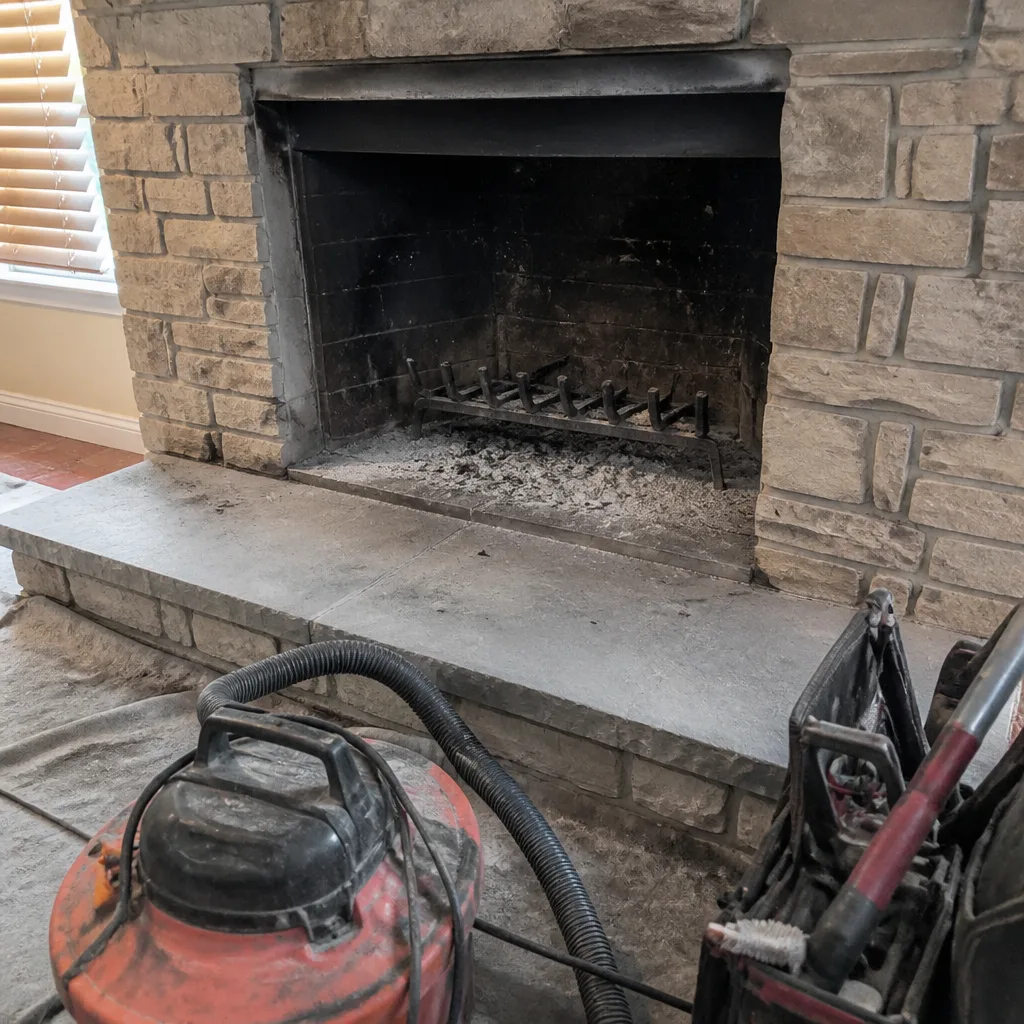 Before
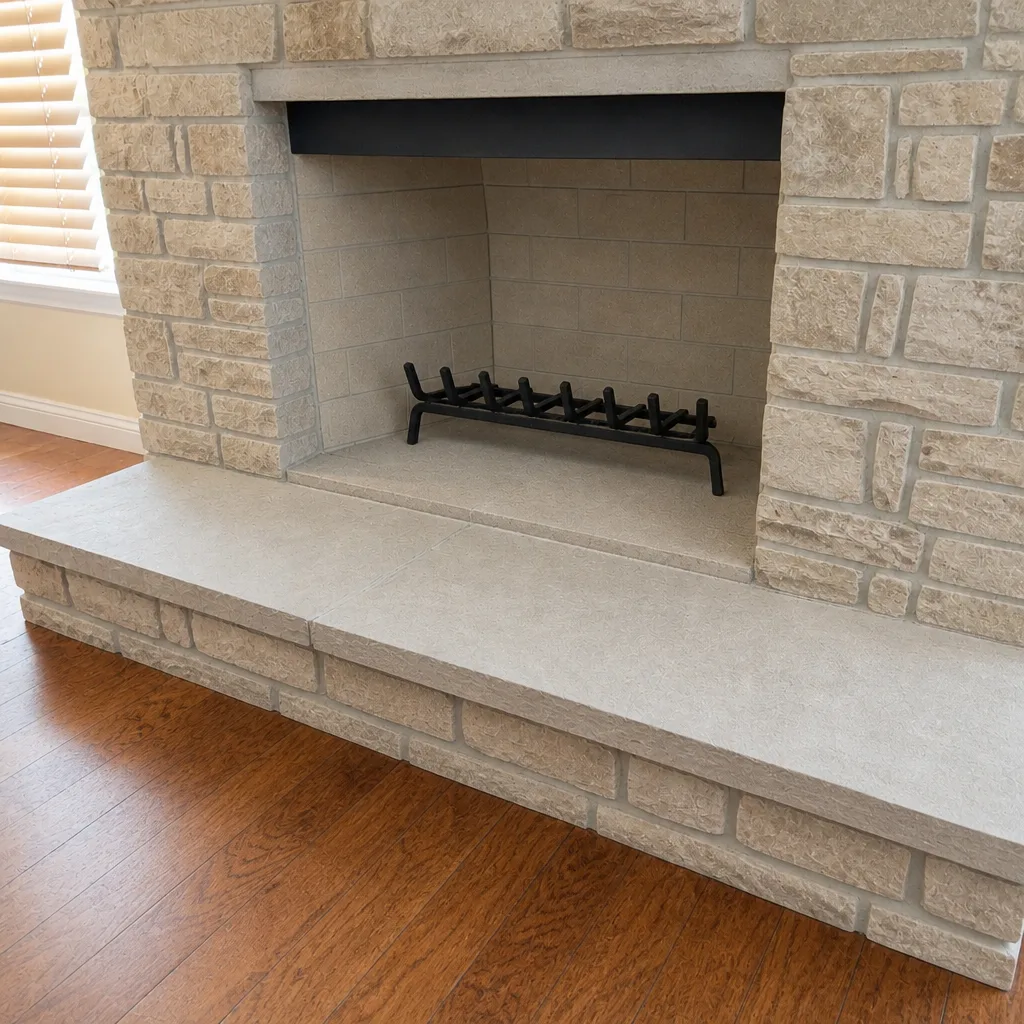 After
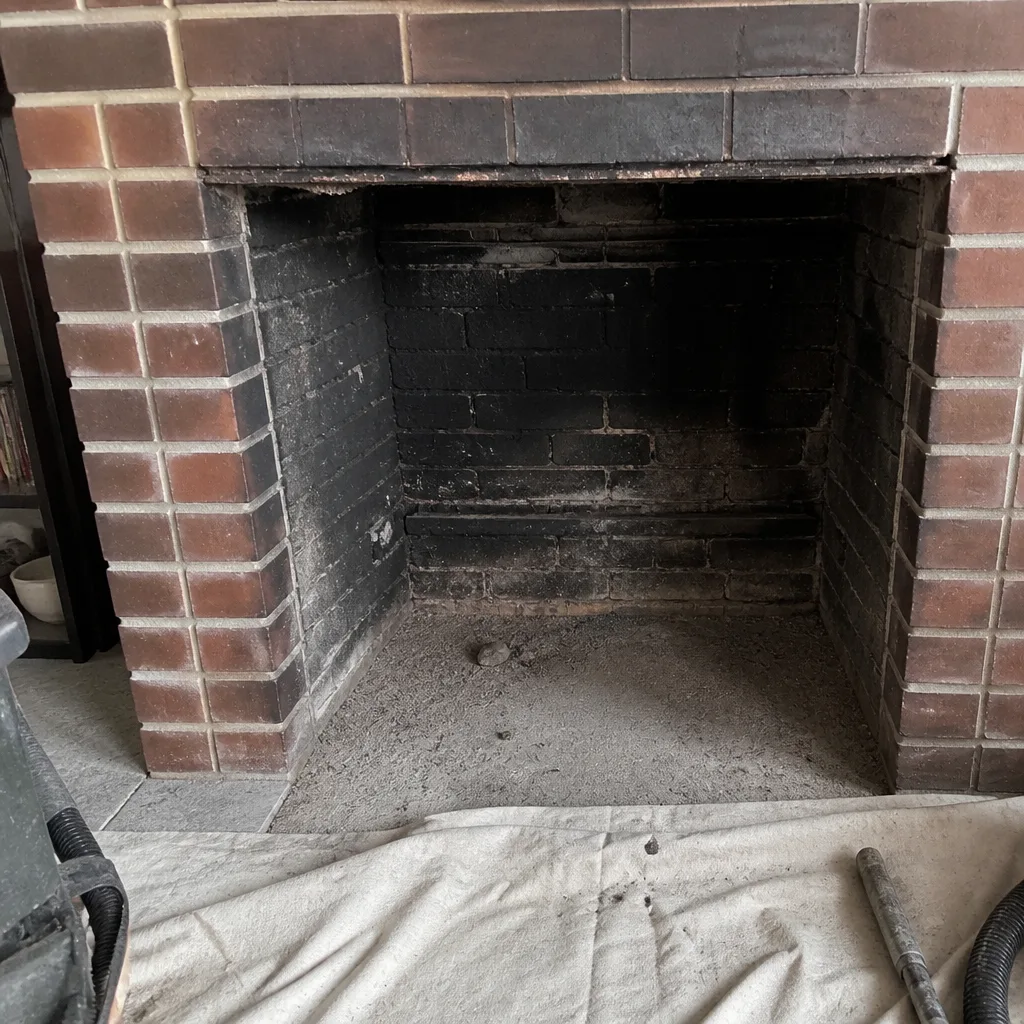 Before
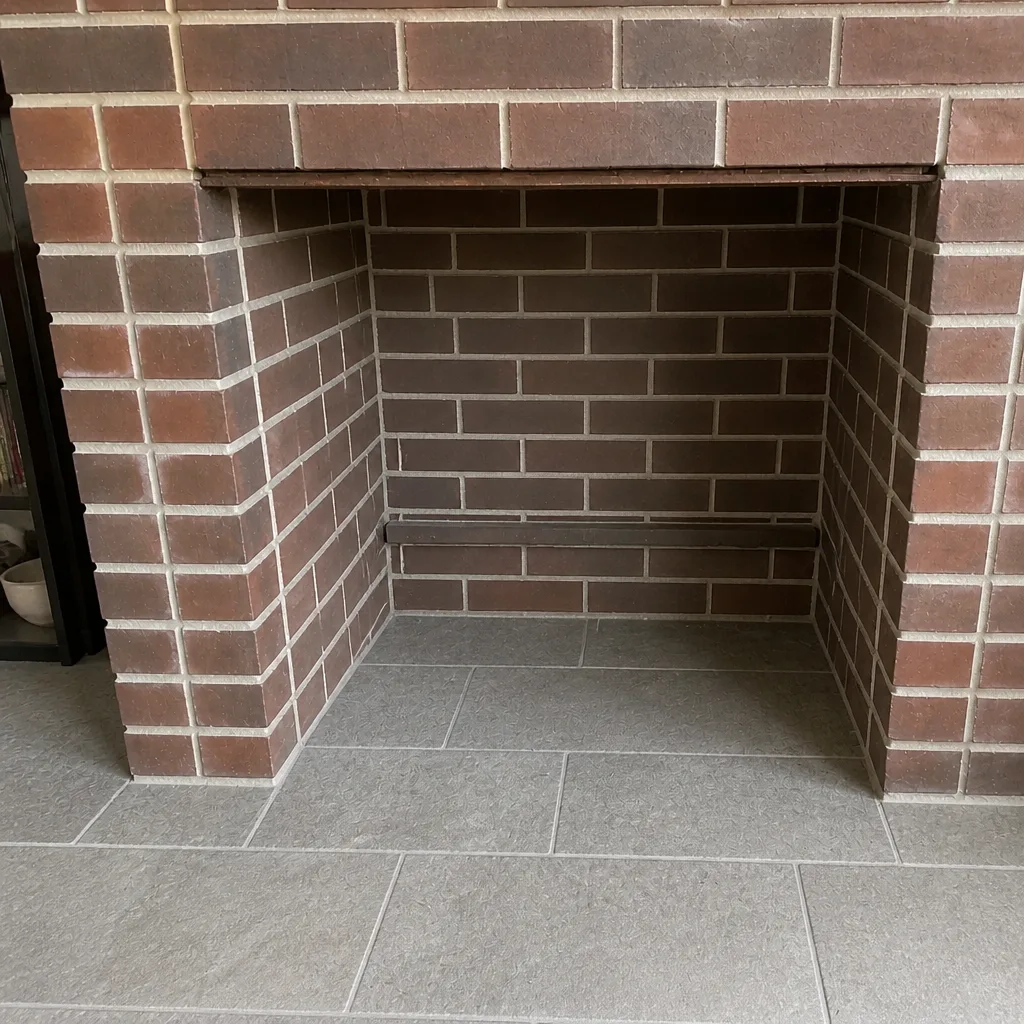 After
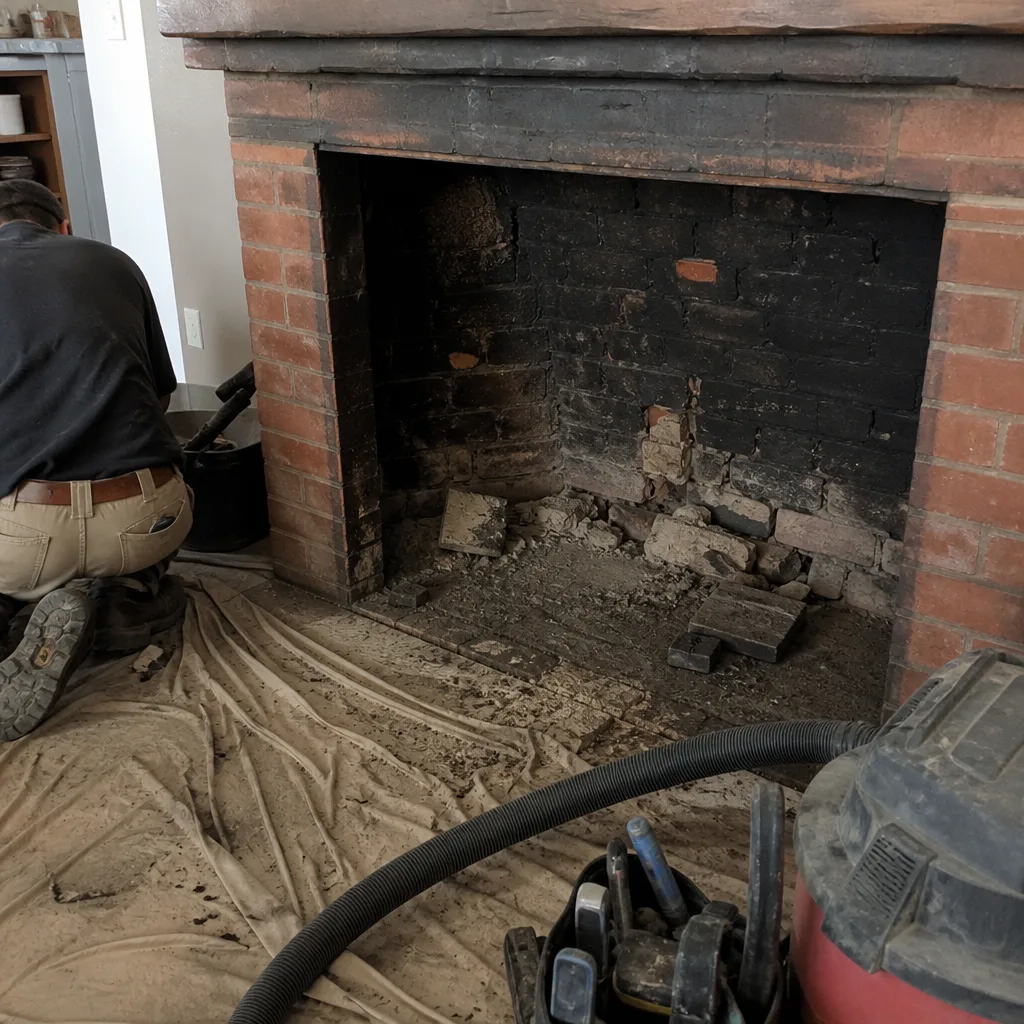 Before
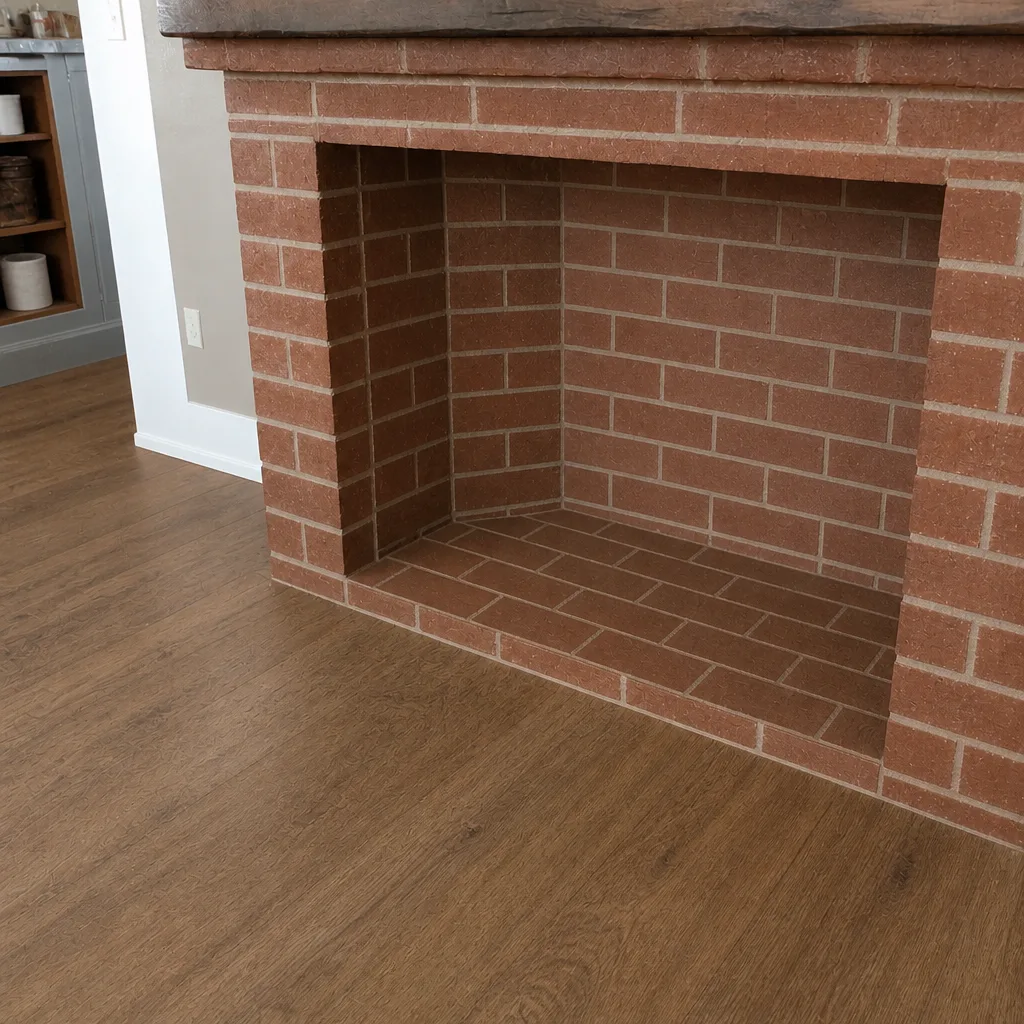 After
When to Call a Professional
Some jobs are routine and some aren’t, and a few call for a specialist sooner rather than later. Call us if you’ve noticed a strong creosote smell in the house, smoke backing into the room when the fire is lit, or a flue that doesn’t seem to draw the way it used to. Call if a home inspector or your insurer has flagged the chimney, if you’ve had a chimney fire, or if you just bought a home in American Fork and don’t know the flue’s history. Call if you’ve never had the gas fireplace checked. And call if a report from another sweep recommended liner or masonry work and you want a second look at the camera evidence. Chimney Sweep American Fork offers free estimates in American Fork; call (833) 513-8116.
Frequently Asked Questions
A standard chimney sweep with a Level 1 inspection in American Fork typically costs an estimated $150-$300, and gas fireplace flue cleaning runs in a similar range. The written estimate sets the final price after we see the flue. Call (833) 513-8116 for an exact quote, estimates are free.
Once a year for a wood-burning appliance, paired with an inspection. Homes that burn wood through most of a Utah County winter should stick to the annual schedule, and anyone who’s just moved in should get a Level 2 inspection before the first fire. Call (833) 513-8116 to book before burning season.
Only if the inspection and camera evidence show the existing liner is cracked, deteriorated, or no longer venting correctly. A HeatShield resurfacing can restore a failing flue in many cases and saves the cost of a full reline. We recommend liner work only when you can see the evidence for yourself. Call (833) 513-8116 for a free estimate.
Creosote keeps building, and a thick enough layer can ignite and start a chimney fire that damages the flue. A restricted flue also vents poorly and can push smoke and combustion gases back into the house. The risk is real but manageable when the chimney is checked. Call (833) 513-8116 to schedule a sweep.
Yes. A gas flue can collect debris and residue even though there’s no creosote, and a blocked or disconnected vent can let carbon monoxide into the home. Regular inspection keeps the venting intact. Call (833) 513-8116 to schedule a gas flue cleaning and inspection.
Yes, and we will. If the cleaning and inspection show the flue is clear and the cap and crown are sound, the chimney can safely wait, and we’ll tell you so plainly. Nothing is recommended without camera evidence you can see. Call (833) 513-8116 for a free estimate.
The Bottom Line
Chimney cleaning in American Fork isn’t just soot removal. It’s a check on how your appliance and flue handle the specific conditions here: long burn seasons, inversion weather that slows draft, and a mix of wood and gas appliances that each need their own approach. The annual sweep and inspection are the baseline, not the finish line. Match the cleaning method to your flue, read the report carefully, and fix what the evidence shows. That’s the whole guide in one sentence, and it’s the difference between a cleaned chimney and a safe one. Call (833) 513-8116. We answer 24/7. Fast dispatch from 7am to 7pm, Sunday through Friday.
Written by the team at Chimney Sweep American Fork.