
Last updated November 24, 2026
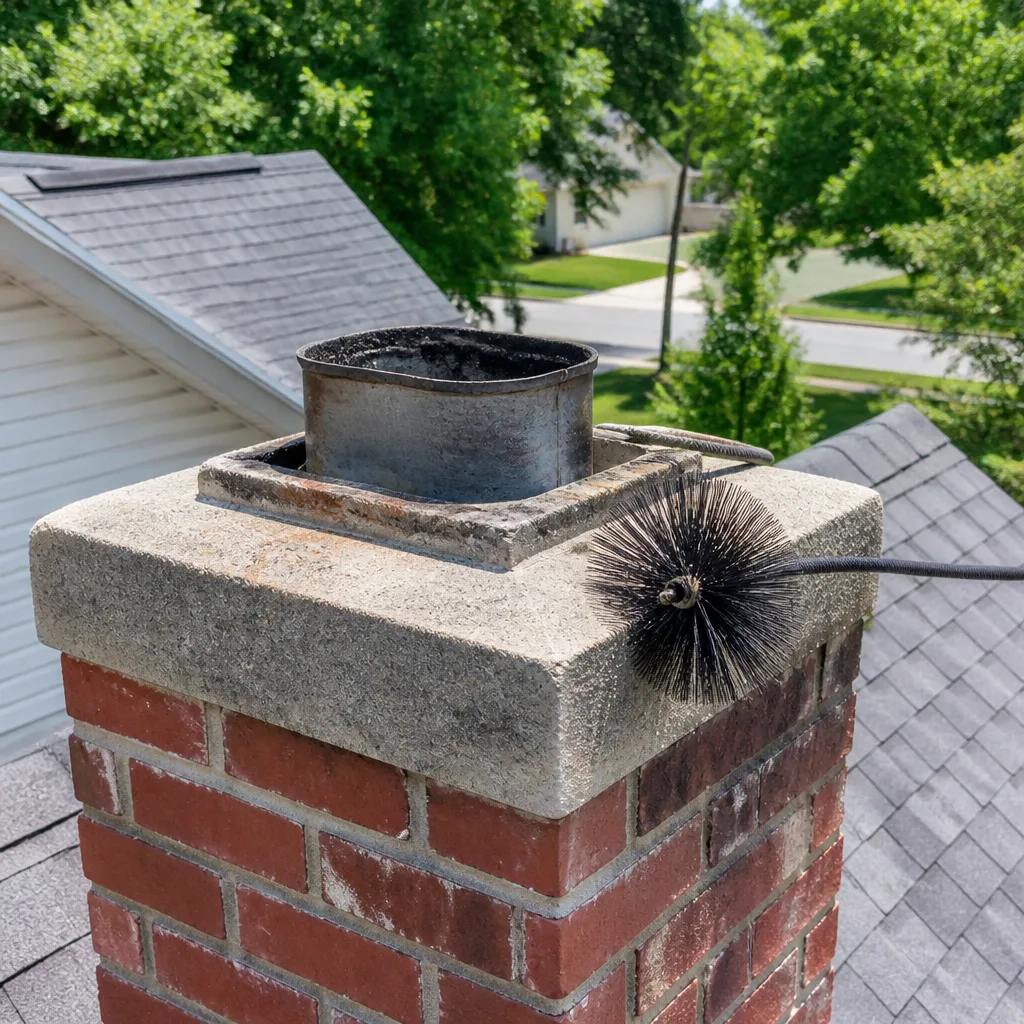 Sweep & inspection
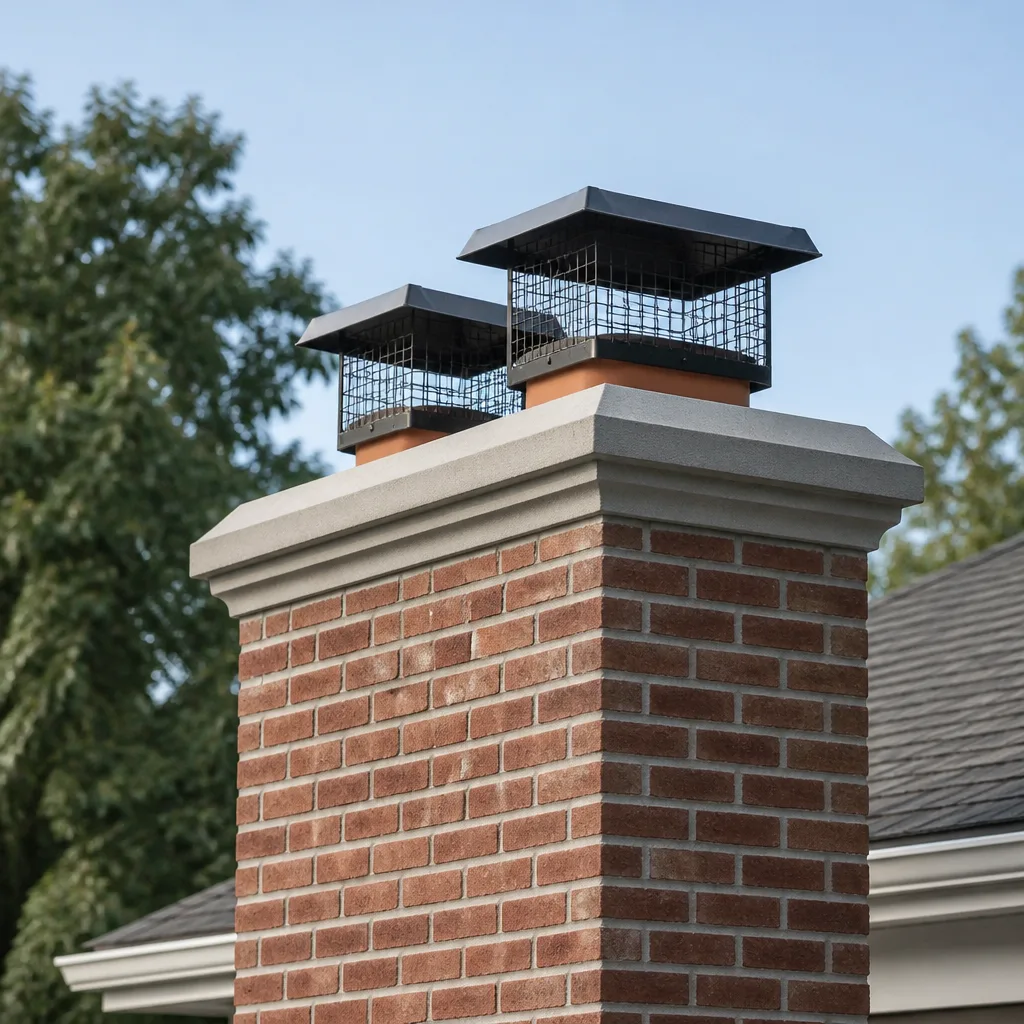 Caps & crowns
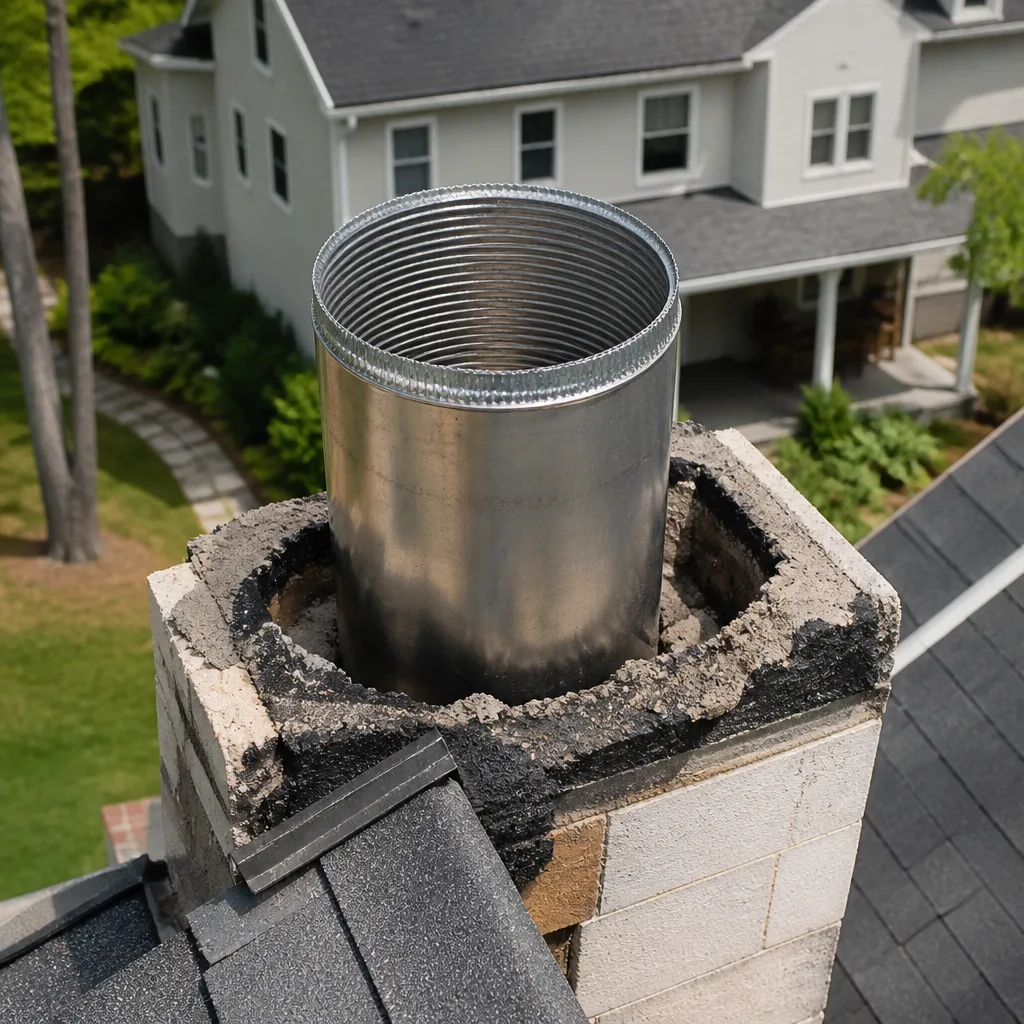 Flue relining
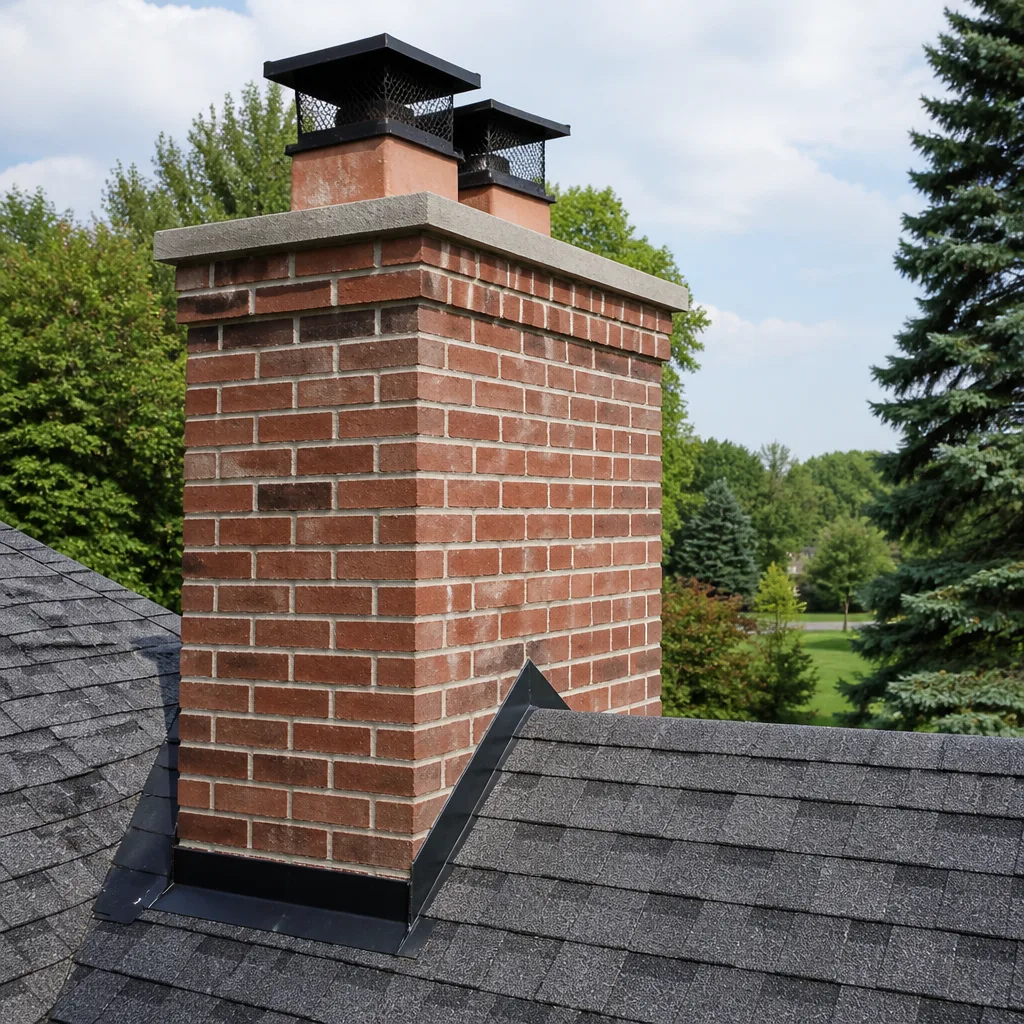 Masonry repair
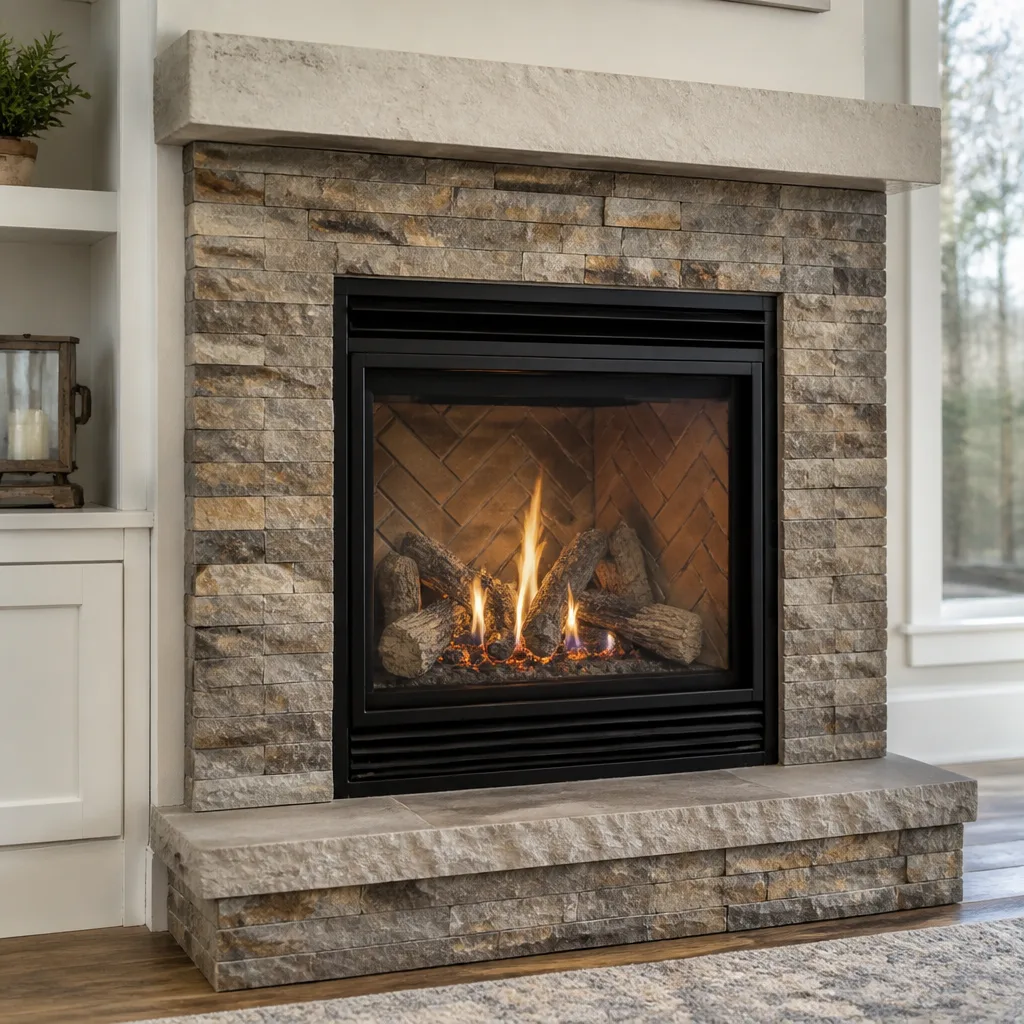 Gas fireplace service
Level 1 sweep and inspection to the NFPA 211 annual standard - flue, crown, cap, and flashing checked and photographed
Chimney sweep logs do not sweep chimneys. They loosen some creosote - which then falls where a brush and vacuum still have to collect it.
How to Hire a Chimney Cleaning Contractor in American Fork: A Step-by-Step Guide
Here’s the part most homeowners don’t find out until something goes wrong: Utah has no state license specifically for chimney sweeps. Not a class, not a registration, not a database you can search. That means when someone knocks on your door in American Fork or answers your call from a truck-and-ladder ad, nobody upstream has checked their skills for you. The vetting falls entirely on you, and the questions you ask before the appointment decide whether a chimney specialist or a generalist with a brush shows up. This guide walks through exactly what to ask. You’ll learn what CSIA certification really means, the five phone questions that separate specialists from side-gig sweepers, why the lowest quote is often a lighter scope of work, and how to read the written report you’re owed when the job is done.
Quick Answer
To hire a chimney cleaning contractor in American Fork, verify the technician’s CSIA certification, ask whether a camera inspection and written report are included, and get a flat-price quote in writing before anyone books the visit. A full-service visit should cover the sweep, an inspection of the flue from firebox to crown, and a photo report. If a provider can’t answer credential and scope questions clearly on the phone, keep calling.
Styles & brands we work with
- Sweep & inspection
- Caps & crowns
- Flue relining
- Masonry repair
- Gas fireplace service
Table of Contents
- Why Chimney Contractor Vetting Falls on You in American Fork
- What CSIA Certification Actually Means
- The Five Phone Questions That Separate Specialists From Generalists
- Why the Lowest Quote Often Skips the Inspection
- How to Read Before-and-After Documentation and Written Reports
- Red Flags Specific to the Chimney Trade
- American Fork Climate and Housing: What It Means for Your Chimney
- Step-by-Step: Hiring a Chimney Sweep From First Call to Final Report
Why Chimney Contractor Vetting Falls on You in American Fork
Utah does not issue a chimney sweep license. There’s no state exam, no journeyman card, no registry. A licensed general contractor might have never touched a flue; a handyman with a shop vac can legally sweep your chimney. That absence of a state gate is why the credential burden lands on the homeowner in American Fork, and it’s why the questions in this guide matter more here than in states with trade-specific licensing.
What you’re actually hiring for is a safety service. A chimney carries smoke, creosote, and carbon monoxide out of your house. Creosote is the flammable residue that builds up on flue walls from wood smoke, and it’s the fuel behind most chimney fires. When a sweep runs a brush through your American Fork home’s flue, they’re removing that fuel. When they inspect, they’re checking that the flue liner, the crown at the top, and the firebox connection are all sound and intact. Those are two different jobs that both need to happen.
Specialists do both. A good sweep in American Fork arrives with the tools to clean and the equipment to inspect: a camera, a light, and the training to know what they’re looking at. The generalist typically offers the sweep only and calls the inspection “looking up the flue.” The difference matters when a cracked liner is present. You can’t see it with a flashlight, and neither can they.
Routine care belongs on a schedule, not on a crisis timeline. If you’re due for a sweep this season, you can book a chimney sweep in American Fork with a provider who photographs what they find. The point of hiring correctly is knowing exactly what’s inside your flue before burning season, not after a problem announces itself.
What CSIA Certification Actually Means
CSIA stands for the Chimney Safety Institute of America. It’s a nonprofit that certifies chimney sweeps through an exam and requires continuing education to stay certified. Certification is voluntary, which is exactly why it’s the signal to look for in this state. A CSIA-certified sweep has passed a written exam on codes, venting, and safety, and has committed to ongoing renewal. That renewal is important: certification can lapse, and a lapsed certification isn’t the same as a current one.
How to verify it isn’t expired or fabricated:
- Ask for the technician’s full name and certification status, not just the company name. Certification belongs to individuals, not businesses.
- Look up the certification on the CSIA’s own searchable directory of certified professionals, not on a contractor’s website.
- Confirm the listing is currently active, not expired. The directory shows status.
- Ask whether the person who will actually do the work is the certified individual. A certified owner who sends an uncertified helper still means you get uncertified work.
- If a company says “we’re certified,” ask which individuals and check them yourself.
Being CSIA-certified doesn’t make someone the only option, and plenty of competent sweeps operate without it. But it’s the one credential a homeowner can independently verify, and that alone makes it worth asking about. In our experience, a specialist answers the question directly and without hesitation. Someone who can’t or won’t is telling you something. If the answer points to needing an inspection rather than just a sweep, we handle that as part of a chimney sweep in American Fork that includes the camera and the report.
Beyond certification, ask about insurance and bonding. Independent local professionals should be licensed and insured as their state and trade requirements demand. If anything goes wrong on your roof or in your flue, you want coverage behind the work.
The Five Phone Questions That Separate Specialists From Generalists
You don’t need to tour a warehouse or read a contract to tell the difference. Five minutes on the phone will usually do it. Ask these questions before you book, and listen for how specific the answers are.
- “Is a camera inspection included in the sweep, or is that a separate charge?” A specialist has a clear answer: either it’s included or it’s a defined additional service with a price. A generalist often doesn’t own a camera.
- “Will I get a written report with photos?” The answer should be yes, and the report should describe what was found and what, if anything, needs attention. A vague “we’ll let you know” is a no.
- “What do you do if you find a cracked flue liner?” A specialist will talk about evaluating it with the camera, options like resurfacing or relining, and the fact that the homeowner sees the evidence. A chain-yanker will start describing thousands of dollars before seeing anything.
- “Who actually does the work, and are they CSIA-certified?” You want to know the specific person or team, and whether their credential is current.
- “Do you install chimney caps and crowns?” A specialist that handles cap and crown installation can protect the sweep they just did. A sweep-only operation has to hand you off to someone else.
You can add a sixth for good measure: “Have you worked on chimneys with a gas fireplace as well as wood?” A dedicated chimney specialist handles both, and it’s often the gas side where venting questions surface.
What you’re listening for isn’t a script. It’s familiarity. A chimney specialist in American Fork deals with creosote grades, liner materials, and draft problems daily. The vocabulary shows up naturally in how they answer. A handyman who sweeps on the side talks in general terms because the specifics aren’t routine for them.
Why the Lowest Quote Often Skips the Inspection
A flat sweep price that’s dramatically below the local norm is usually not a bargain. It’s a narrower job. The typical full-service visit includes sweeping the flue, inspecting the entire system with a camera, checking the firebox and damper, and delivering a written report with photos. A cheaper visit often does just the sweep, and occasionally not even that thoroughly.
Here’s what should be included in a full-service chimney visit:
- A sweep of the flue to remove creosote and soot.
- A camera inspection of the flue liner from the top and bottom where accessible.
- A check of the firebox, damper, smoke chamber, and throat.
- A look at the chimney crown, cap, and masonry at the roofline.
- A written report describing the condition found, with photos.
- A clear recommendation of anything that needs attention, and honest guidance on what can wait.
That last point matters more than it gets credit for. A chimney professional should be willing to say “this is fine for another season” when it is. Not every liner crack demands a full reline, and a crown with a hairline crack can often be sealed before water gets deeper into the masonry. A specialist will tell you when work can safely wait, and back it up with the photo. If they’re urging a large repair without showing you the evidence, that’s the moment to slow down.
When repairs are needed, a full-service provider can handle them in-house. That means cap and crown work from brands like Copperfield, or resurfacing with HeatShield when a flue liner can be restored rather than replaced. Having the inspection, the sweep, and the repair under one company reduces the gap between what’s documented and what’s fixed.
How to Read Before-and-After Documentation and Written Reports
The written report is the quality benchmark for the entire job. If a provider hands you nothing, you have no way to know what was found or to verify it against a second opinion. A good report has structure, not just a sentence or two.
What to look for:
- Photos of the flue before and after the sweep. You should see the inside of the flue, clean, with the liner visible. If they can’t show you, they can’t prove it happened.
- The condition of the liner. Any cracks, gaps, or deterioration should be photographed and labeled.
- Notes on creosote. Creosote is described by degree of buildup, from light soot to glazed layers. The report should say what was removed.
- The crown and cap at the top. Photos of the roofline, the crown’s condition, and whether the cap is present and intact.
- Recommendations with timing. “Address this before next burning season” is more useful than “needs repair.”
Before-and-after documentation serves two purposes. It gives you the evidence you’d need to get a second opinion or make a homeowner’s insurance claim, and it gives the contractor accountability. A sweep who knows you’ll see the photos has reason to do the work well.
When you’re told something needs repair, ask to see the picture and ask what would happen if you waited a season. In general terms, a small crown crack lets water into the masonry and can grow into a serious rebuild if left through several winters. A failing liner poses a safety concern that shouldn’t wait. Those two should be treated with different urgency, and the report should make the difference clear. If you’re deciding what to do about a damaged firebox or damper, fireplace repair in American Fork starts with that same camera evidence.
Red Flags Specific to the Chimney Trade
Every trade has its own set of warning signs. Chimneys have a distinct list because the work is largely hidden inside a flue, which makes it easy to invent problems nobody can see. Watch for these behaviors.
- Upselling a liner or a reline without showing you the flue. A real recommendation comes with a photo of the crack or gap. If they’re describing a liner failure from the floor without a camera, walk away.
- Refusing to show credentials or answer certification questions. A specialist will name their certification and let you verify it. Evasiveness is a signal.
- Cash-only requirements. The trade is legitimate enough to take normal payment. Cash-only is often a way to avoid accountability if something goes wrong.
- “While we’re here” add-ons before the sweep is even done. A crown seal or cap installation can be a real need, but it should be presented after the inspection, with evidence, not as a spontaneous offer.
- No written report or photos. If the visit ends with a verbal “you’re all good” and nothing in writing, you’ve lost the record.
- Pressure to decide today. Safety concerns can be urgent, but they’re not same-hour sales. Nothing should be decided on the spot without evidence.
- Quotes that ignore the inspection entirely and promise only a sweep. Sweeping without inspecting is cleaning without looking.
None of this means most sweeps are dishonest. It means the ones that are leave signs, and the homeowners who know the signs don’t get taken. The single best defense is demanding the evidence. A photo of the problem, taken inside your flue, tells you more than any sales speech.
American Fork Climate and Housing: What It Means for Your Chimney
American Fork sits at the base of the mountains in a high-desert valley, and the local climate does shape chimney behavior in ways that matter when you’re scheduling service. Winters here are cold enough that fireplaces get regular use for months, which means creosote buildup is a seasonal reality, not a theoretical risk. The sweep before burning season matters more than the sweep after.
Our air in the valley can hold inversions during winter, when cold air traps smoke and particulate near the ground. That’s often when the Utah Department of Environmental Quality issues “no-burn” or wood-burning advisories for the area. During those periods, burning wood in your fireplace can be restricted. It’s worth checking current air quality status before you light a fire in American Fork, and a professional sweep can explain what an advisory means for your specific setup. It’s also a reason gas fireplaces and alternate heating options come up in local conversations.
The housing stock in American Fork varies widely. Older homes near the historic downtown core may have original masonry chimneys with clay-tile liners that are decades old and can develop cracks. Newer neighborhoods in and around American Fork often have factory-built fireplaces with metal liners and a different maintenance profile. A sweep who works American Fork regularly has seen both. The right questions about your chimney depend on which you have.
Local winters also mean snow and freeze-thaw cycles at the roofline. Water is the quiet enemy of masonry. It gets into a crown crack, freezes, expands, and widens the gap. A strong cap and a well-maintained crown keep water and debris out, which is why chimney cap and crown work is treated as structural protection rather than window dressing. Brands like Famco and Copperfield produce caps that fit properly and hold up, and they matter as much to a chimney’s longevity as the sweep itself.
Step-by-Step: Hiring a Chimney Sweep From First Call to Final Report
Here’s the sequence that works. It’s a phone call, a booked visit, a documented result, and an informed decision about anything that needs doing.
- Verify credentials independently. During the first call, ask the five phone questions above. Then check the CSIA certification yourself.
- Ask for a flat-price quote in writing. Confirm what’s included: sweep, camera inspection, photo report. The written estimate sets the final price, so the number should be clear before anyone books.
- Schedule the visit. Know who’s coming, how long it takes, and confirm whether the technician is the certified individual.
- Walk through the findings with the technician. Ask to see the photos in person. If a problem is found, get the camera evidence first.
- Get the report in writing. Read the recommendations and ask which items are urgent and which can wait.
- Evaluate any repair against the evidence. A crown, cap, liner, or firebox repair should be shown, priced, and explained. If it’s not, get a second opinion.
- Follow up on the rest. If repair is needed beyond the sweep, or you’re scheduling another service like chimney repair in American Fork, it should flow from the same documented inspection.
One more consideration: don’t wait for a problem. Chimneys should be swept based on how much wood you burn, but a good rule is at least once a year if you use the fireplace regularly, and an inspection whenever you’ve had a chimney fire, a major storm, or a new-to-you home. If you’ve never had the flue inspected, the first sweep should include one.
If you’ve been told by a home inspector or insurance carrier that the chimney needs attention, the same evidence standard applies. Get the report, ask for the photos, and compare what’s shown against what’s recommended. The burden of proving the work is needed falls on whoever wants to do it.
Common Mistakes to Avoid
- Hiring on price alone. The cheapest quote in American Fork is often the one that skips the inspection. You get what you screen for, and a lighter scope is cheaper for a reason.
- Not verifying certification independently. Asking “are you certified?” and getting a yes is not verification. Look it up yourself, and check the status is current.
- Accepting an upsell before the camera has been inside the flue. A liner recommendation without a photo is a guess at best.
- Not asking for the written report. A verbal “all good” leaves you nothing to compare against a second opinion down the road.
- Skipping the winter air quality check. American Fork’s valley inversions trigger wood-burning advisories. Knowing the current status before you light a fire keeps you in step with local rules.
- Ignoring the crown and cap. A minor crown crack that goes unsealed can let water into the masonry through several winters. Protecting the top is part of protecting the whole chimney.
- Booking a sweep-only service and calling it a full inspection. Sweeping removes creosote; it doesn’t evaluate the liner, crown, or firebox unless someone’s actually looking with the right equipment.
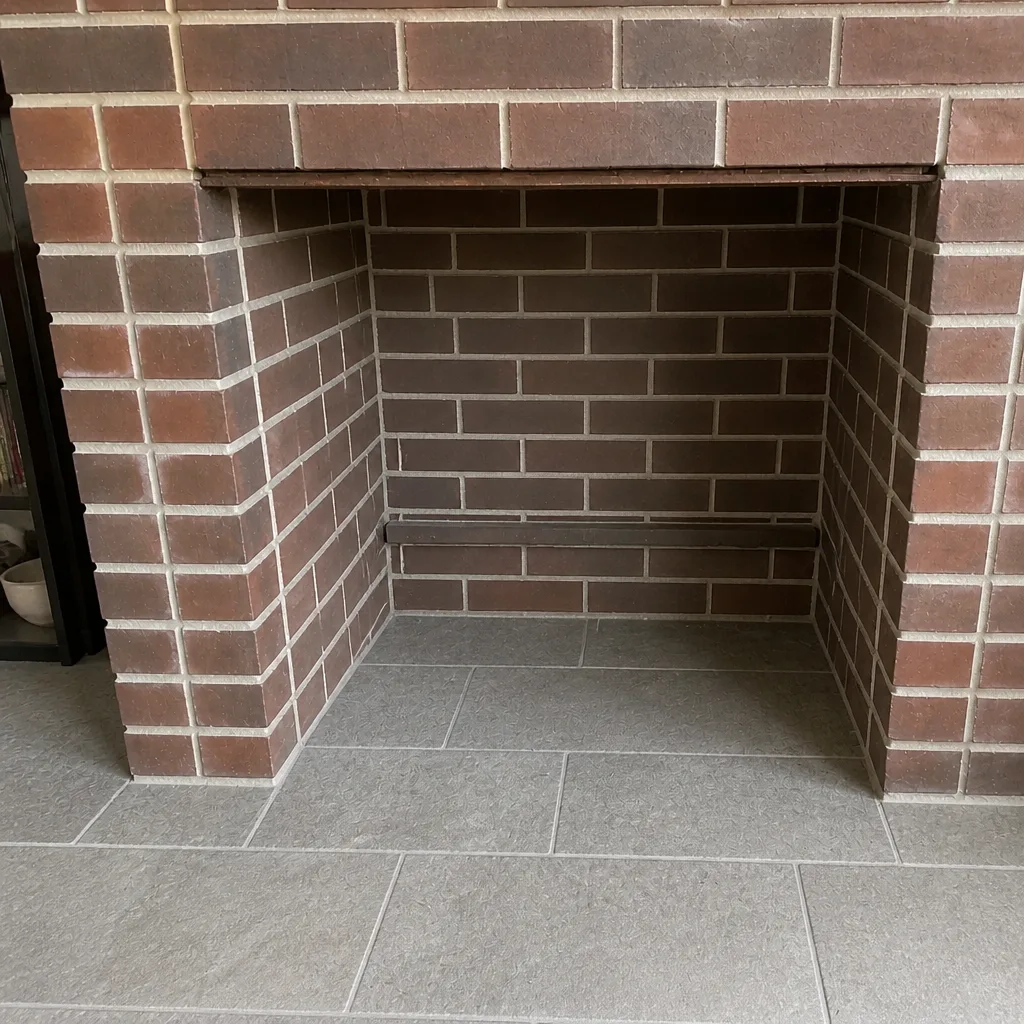
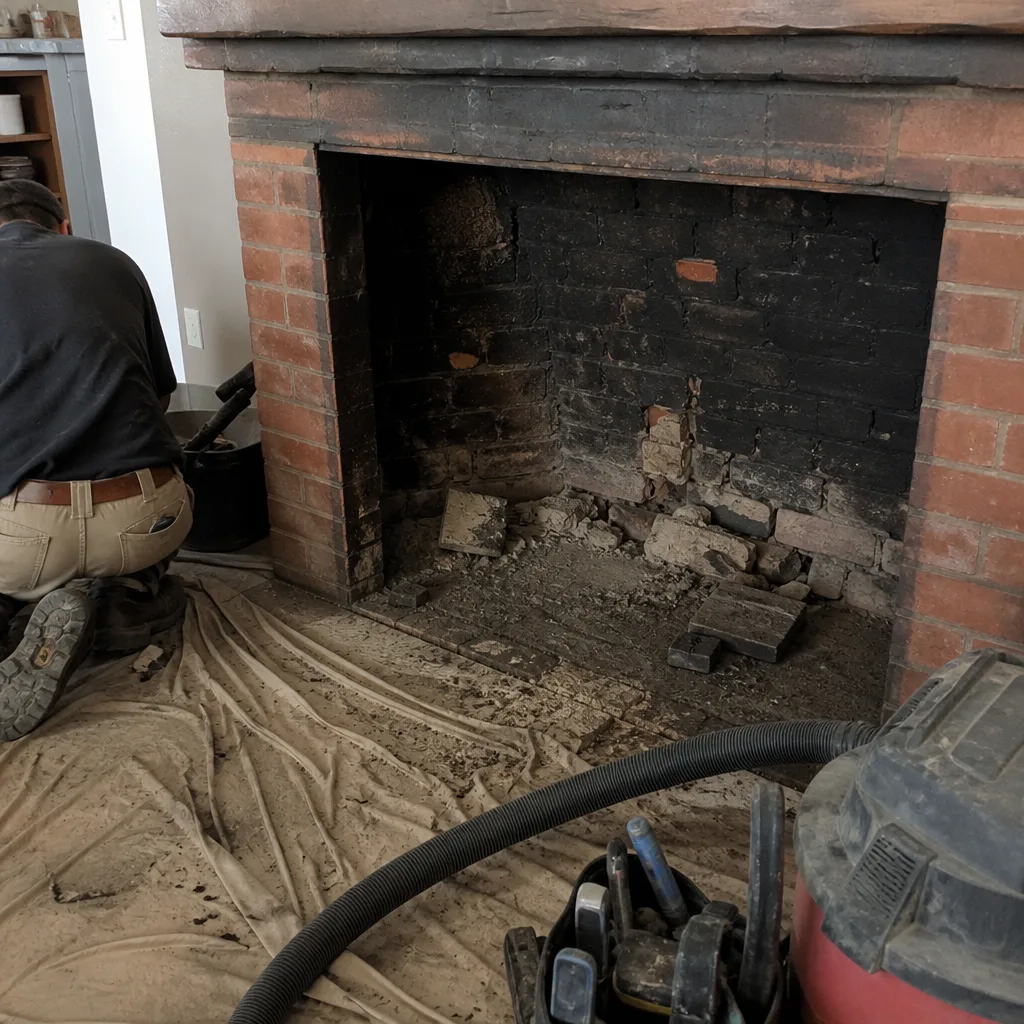
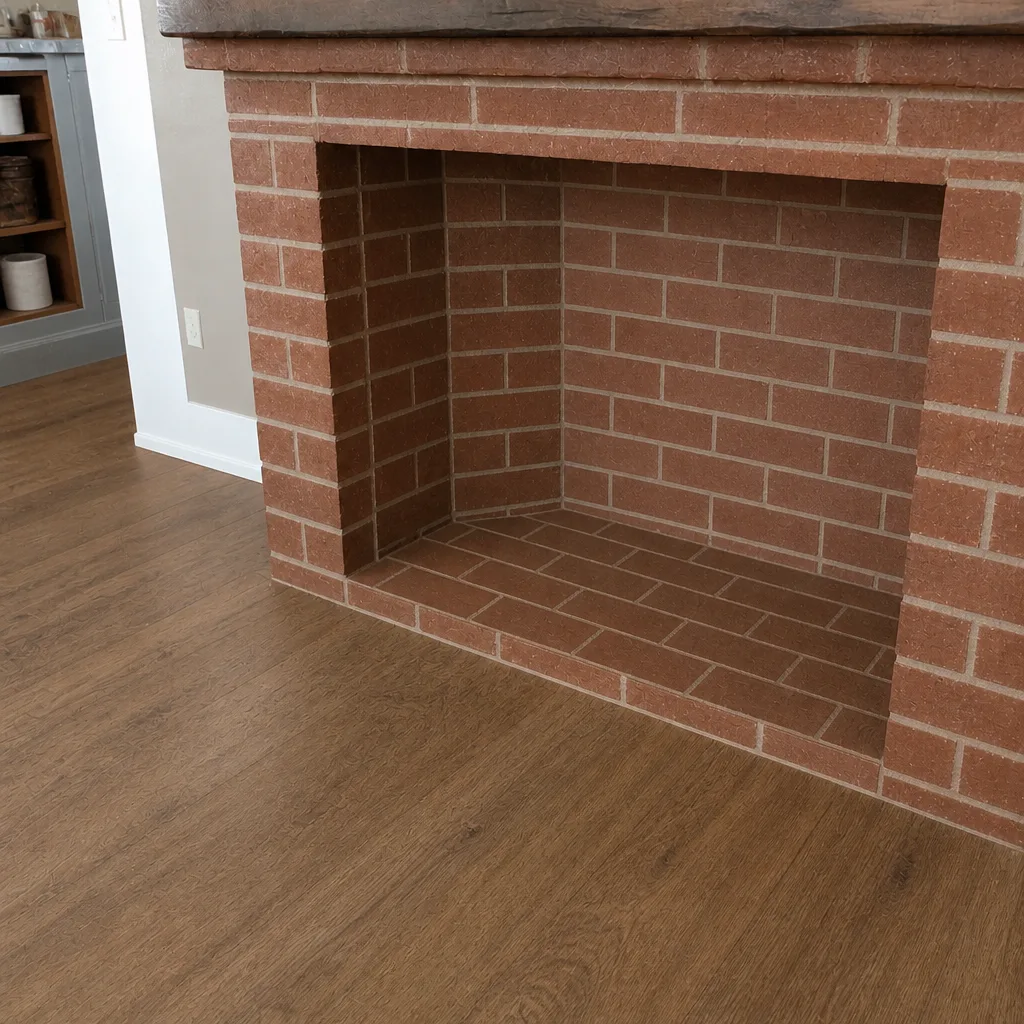
See the difference
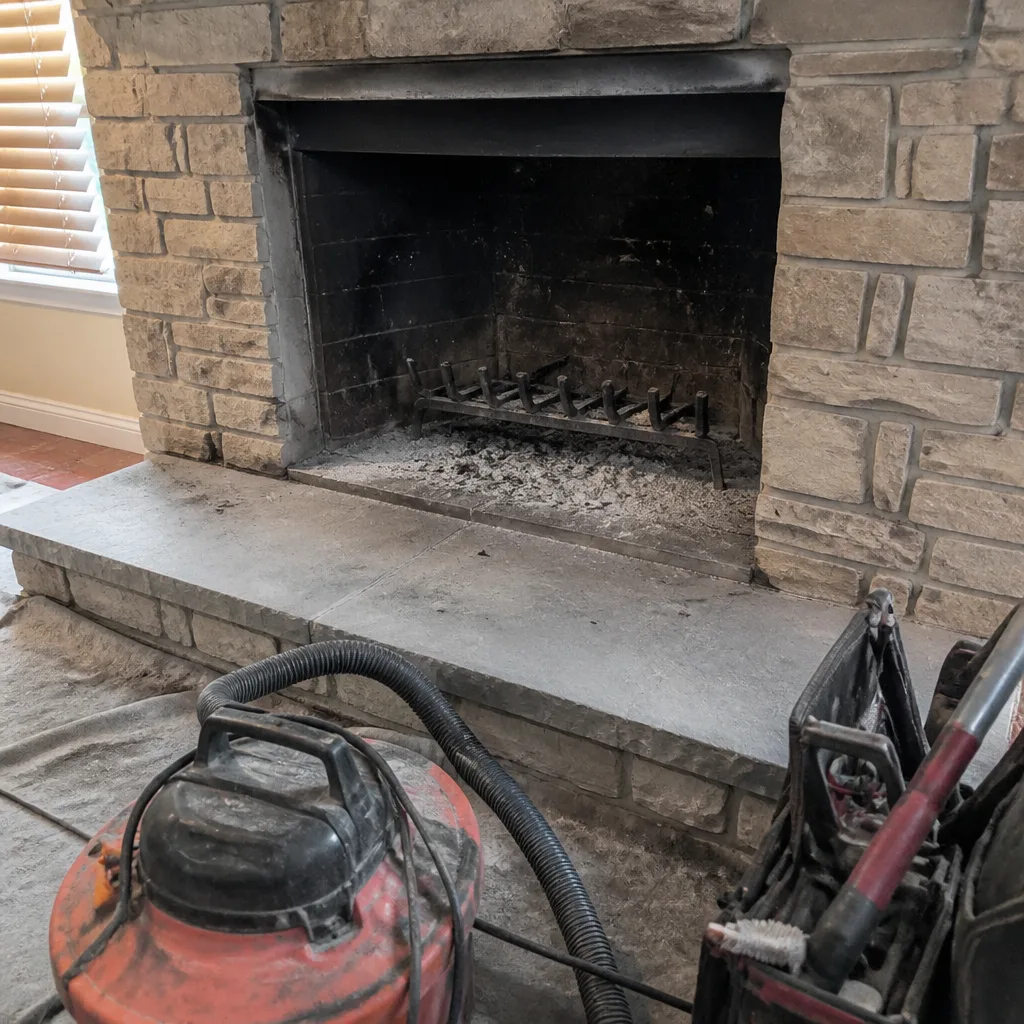 Before
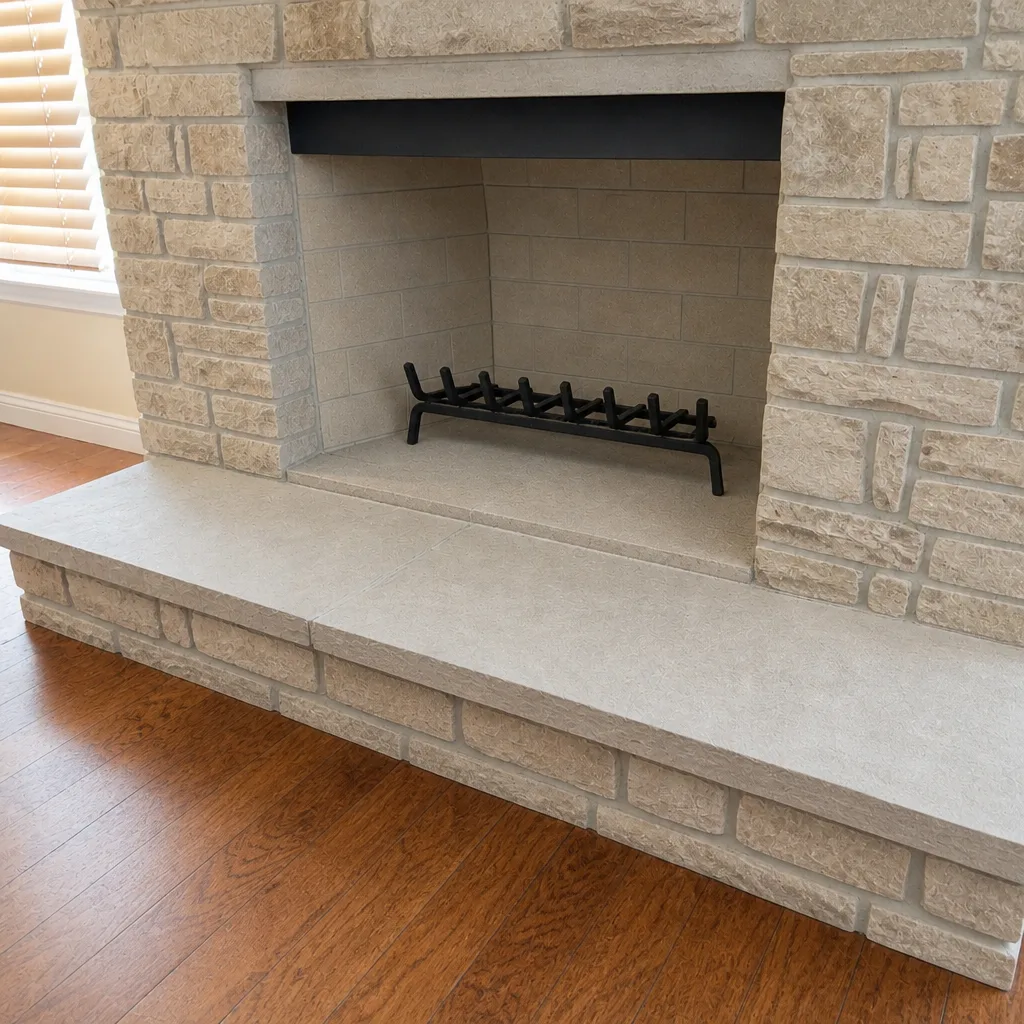 After
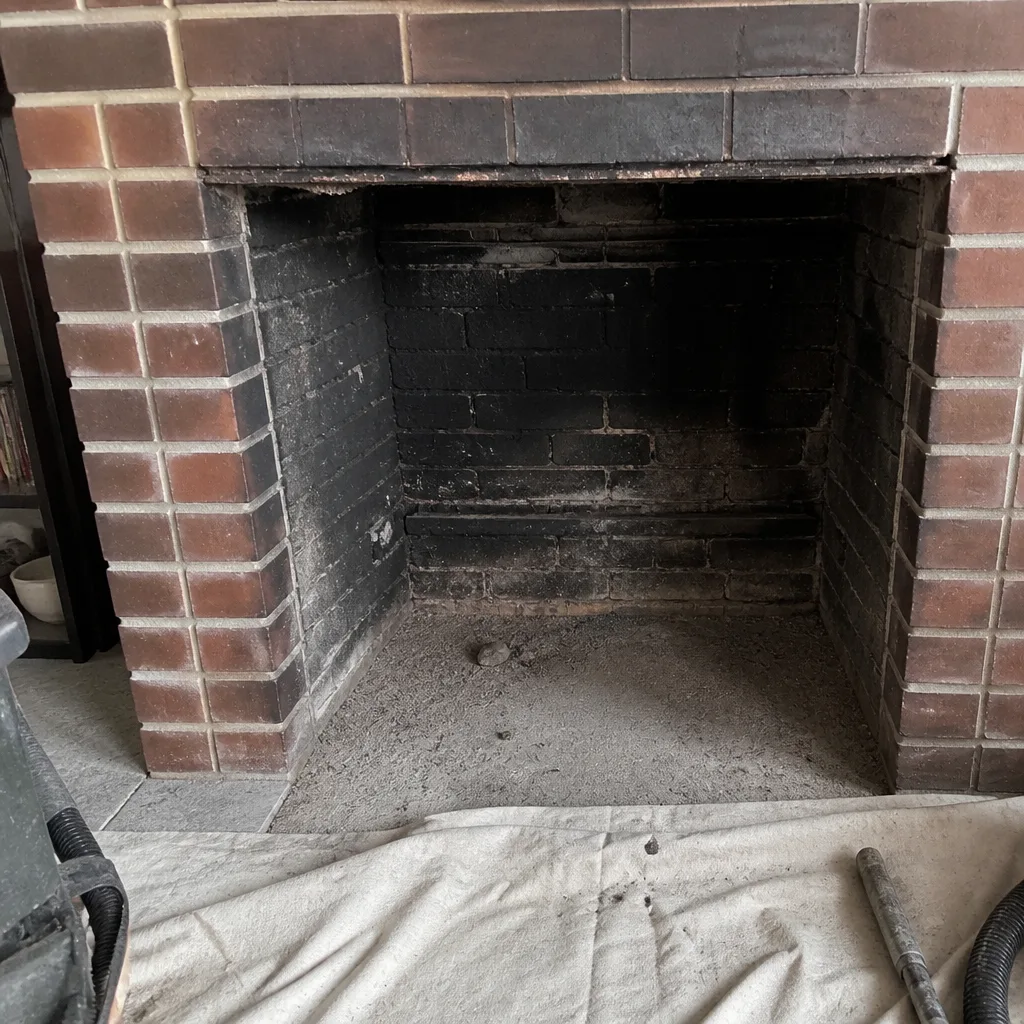 Before
 After
 Before
 After
When to Call a Professional
Some situations are clear calls for a specialist. If you haven’t had your flue swept in over a year of regular burning, that’s one. If you’ve had a chimney fire, even a small one that put itself out, or you’ve smelled smoke inside the house when no fire was burning, that’s another. If a home inspector or insurance carrier flagged the chimney, you’re in argument territory the specialist report can settle. If the crown has a visible crack or the cap is missing or damaged, or you’ve noticed water stains near the firebox, that’s structural and should be looked at. If you’re buying or selling a home and need documentation, the written report is worth having before closing.
Chimney Sweep American Fork offers free estimates in American Fork. Call (833) 513-8116. We answer 24/7. Fast dispatch from 7am to 7pm, Sunday through Friday. Our technicians have up to 9 years of experience, and we work with brands like Gelco, Olympia Chimney, and HeatShield when repairs are needed.
Frequently Asked Questions
A standard chimney sweep in American Fork typically runs in the local flat-rate range, with the exact price set per job by a written estimate. The estimate should cover the sweep, a camera inspection, and a written photo report. A quote well below the local norm often reflects a scope that skips the inspection, so compare what’s included and not just the number. Call (833) 513-8116 for an exact quote – estimates are free.
You need a new liner only if the existing one has cracks, gaps, or deterioration that a camera inspection can actually show you. Many older homes in American Fork have clay-tile liners that develop small cracks over time, and some can be resurfaced rather than replaced. Ask to see the photo before agreeing to anything. If the evidence isn’t shown, get a second opinion. Call (833) 513-8116 for an exact quote – estimates are free.
At least once a year if you burn wood regularly, and more often if you burn heavily or burn green or unseasoned wood, which builds creosote faster. Spring and early fall are common scheduling times before the burning season begins. A yearly visit should include an inspection, because the sweep cleans and the inspection looks. Call (833) 513-8116 for an exact quote – estimates are free.
Creosote builds up on the flue walls, and over time it can ignite, causing a chimney fire that may not be loud enough to notice from inside the house. A blocked or deteriorated flue can also let smoke and carbon monoxide back into the home instead of venting it outside. Neither outcome is common in a well-maintained chimney, and neither is worth leaving to chance. Call (833) 513-8116 for an exact quote – estimates are free.
You can, but a handyman typically sweeps without the camera inspection and written report that a specialist includes, and likely handles only a limited range of repairs. For routine cleaning, that may be enough. For anything involving the liner, crown, or firebox, a dedicated specialist is the safer choice. Call (833) 513-8116 for an exact quote – estimates are free.
CSIA certification means an individual has passed the Chimney Safety Institute of America’s exam and keeps it current through continuing education. It’s voluntary, so it’s a real signal that the technician chose to be tested. Verify it yourself on the CSIA’s own directory and confirm the status is active, not expired, and that the certified individual is the one doing the work. Call (833) 513-8116 for an exact quote – estimates are free.
The Bottom Line
Hiring a chimney contractor in American Fork comes down to asking the right questions and demanding the evidence. Verify CSIA certification on your own. Ask what’s included in the visit, and treat a quote that skips the inspection as a lighter scope, not a bargain. Get a written report with photos of the flue, the crown, and the cap. Watch for any recommendation that arrives without camera evidence, and take a second look at any contractor who refuses to show credentials or asks for cash only. Done this way, you end up with a specialist who sweeps, inspects, and documents what they find, and with a record you can trust for seasons to come.
Ready to book a sweep and inspection in American Fork? Call Chimney Sweep American Fork at (833) 513-8116 for a free estimate. We answer 24/7. Fast dispatch from 7am to 7pm, Sunday through Friday. One crew, one call, from the firebox to the crown.
Written by the team at Chimney Sweep American Fork.