
Last updated November 24, 2026
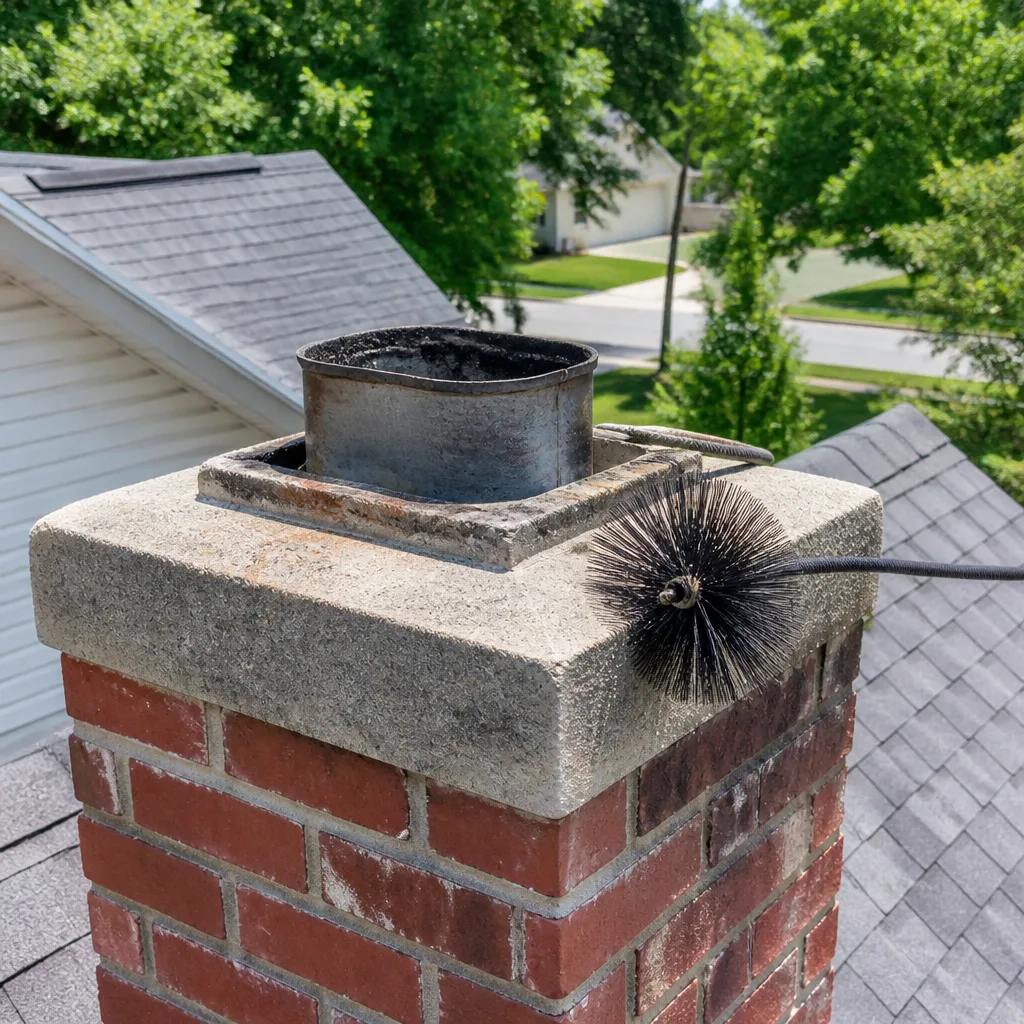 Sweep & inspection
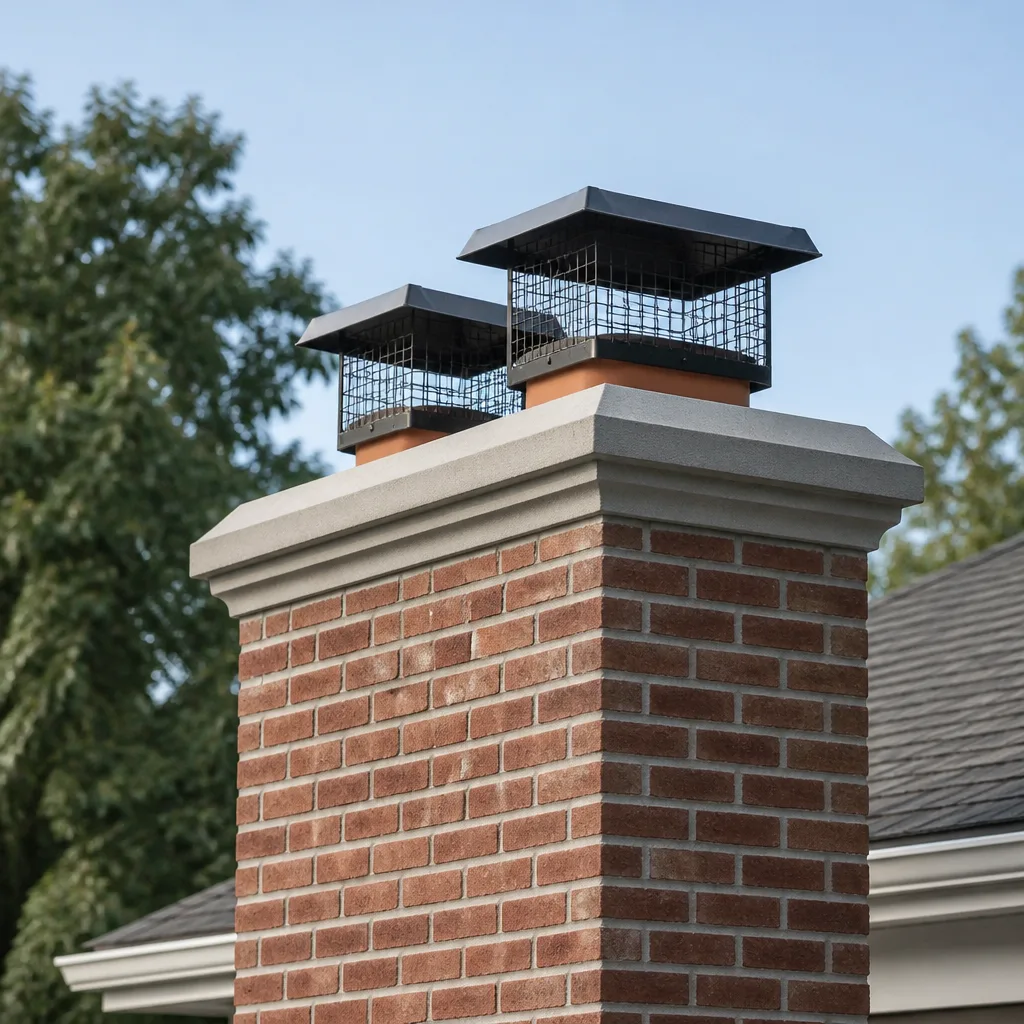 Caps & crowns
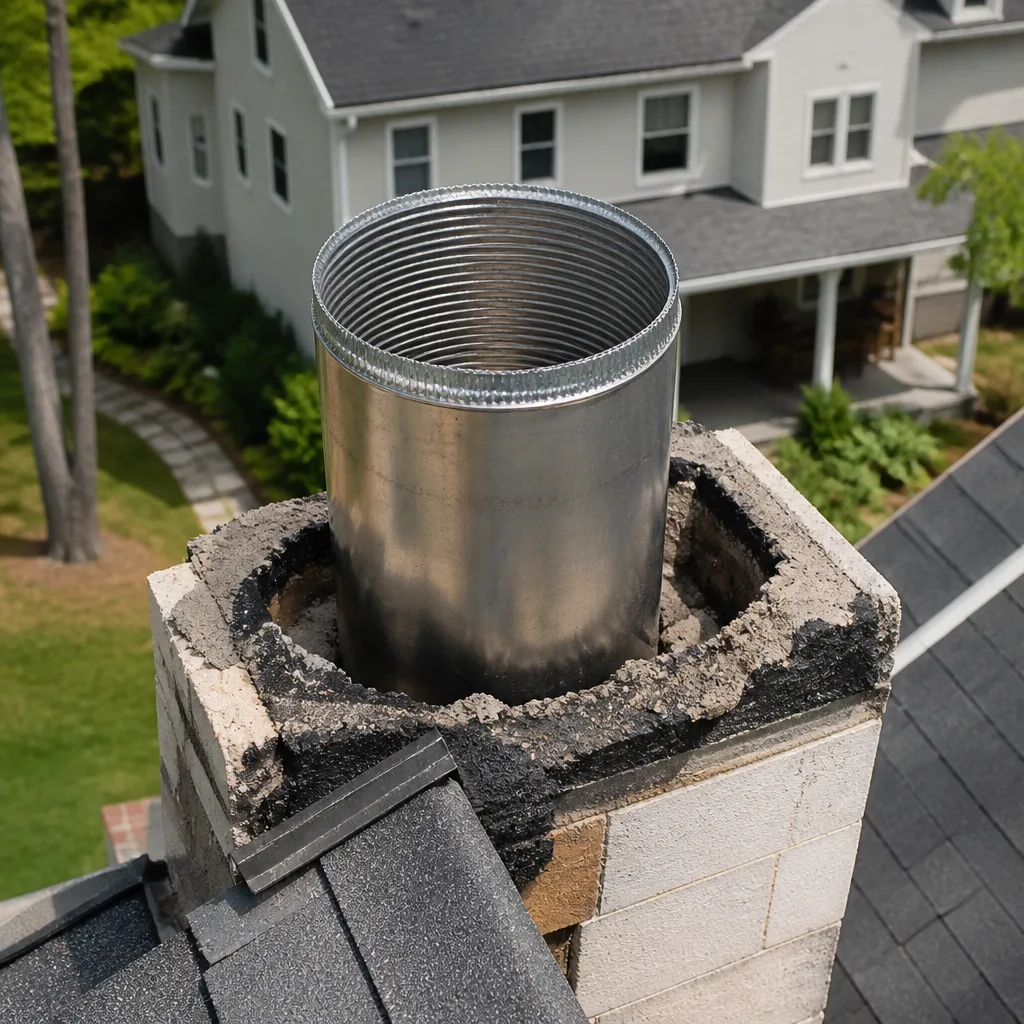 Flue relining
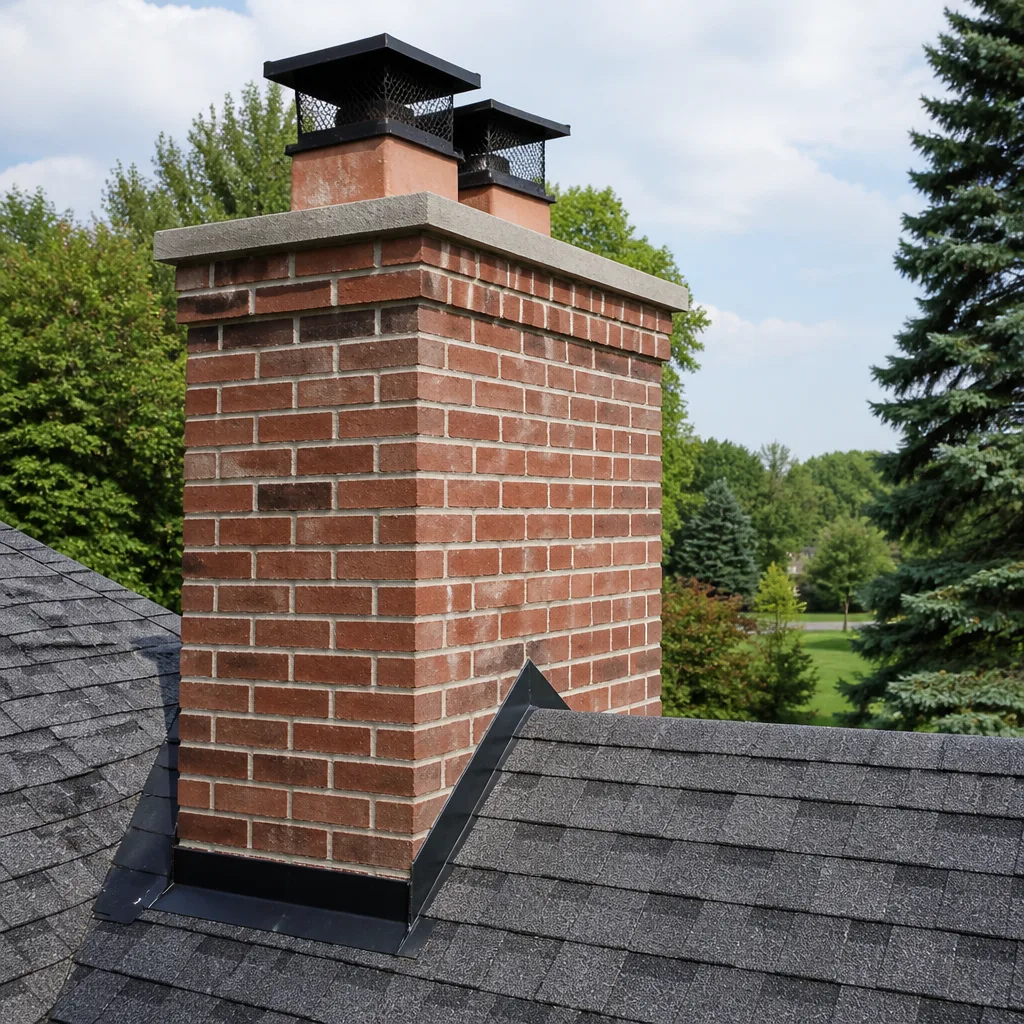 Masonry repair
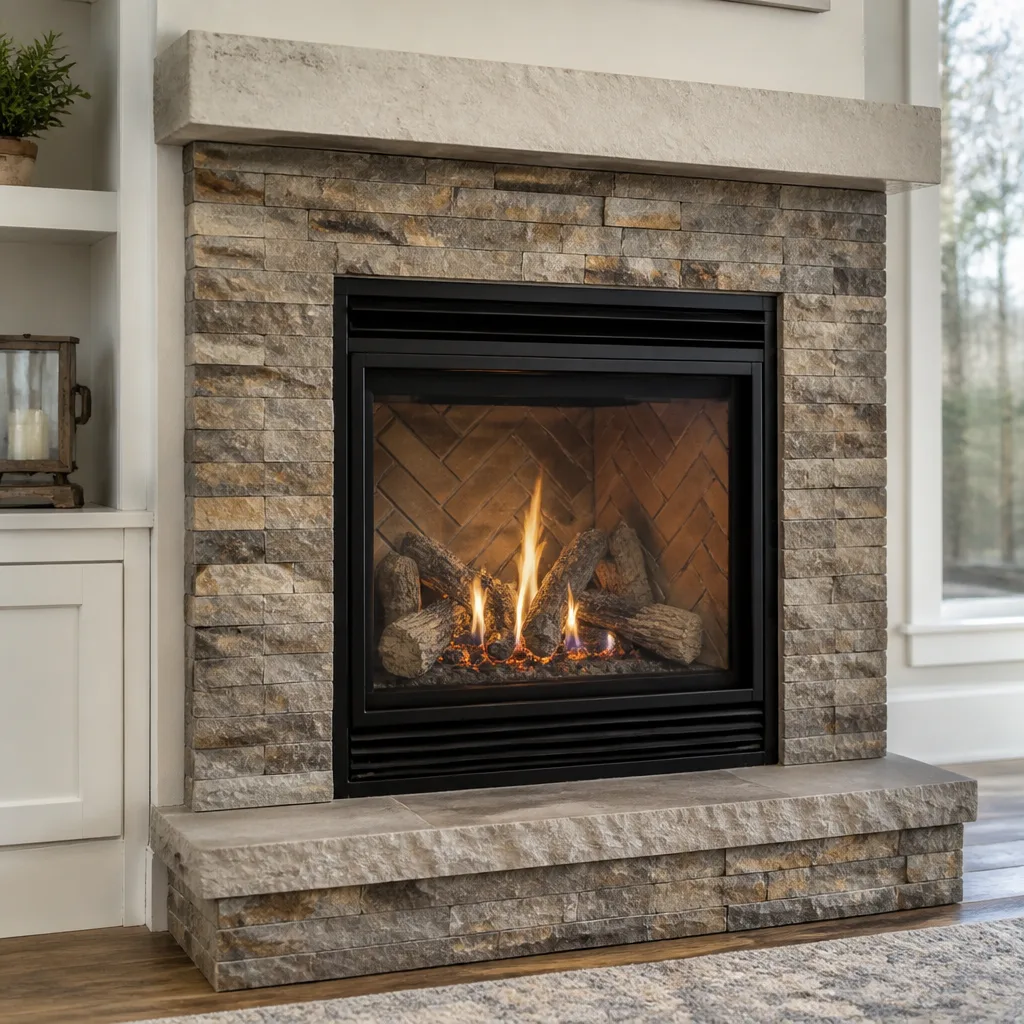 Gas fireplace service
Level 1 sweep and inspection to the NFPA 211 annual standard - flue, crown, cap, and flashing checked and photographed
Chimney sweep logs do not sweep chimneys. They loosen some creosote - which then falls where a brush and vacuum still have to collect it.
Seasonal Chimney Cleaning Care for American Fork: Year-Round Homeowner’s Guide
Most homeowners here schedule chimney work in October, right before the first fire. The trade sees it differently. Spring is when we find the most structural damage in American Fork chimneys, because freeze-thaw cycles do their worst work while the flue sits idle and nobody is watching it. Water gets into masonry cracks, freezes overnight, expands, thaws, and repeats for months. That’s the pattern that turns a hairline crack in a crown into failing mortar and eventually a rebuilt chimney top. In this guide we’ll walk through what each of American Fork’s four seasons does to a chimney, what to check and when, and how to time repairs so you’re not paying for emergency work before the first cold snap.
Quick Answer
Chimney care in American Fork should follow the seasons, not the calendar of habit: sweep and inspect in spring after the heating season ends, handle masonry and crown repairs before summer heat sets new mortar, watch for animal nests and moisture in summer, run a full pre-season inspection in fall before the first fire, and check creosote buildup and cap integrity through winter. Spring is the single most valuable window for structural repair because the damage from freeze-thaw is visible and the fix will cure properly before fall.
Styles & brands we work with
- Sweep & inspection
- Caps & crowns
- Flue relining
- Masonry repair
- Gas fireplace service
Table of Contents
- Why American Fork Chimneys Age by Season, Not by Year
- Spring: The Best Time to Sweep, Inspect, and Repair
- Summer: Idle Flues, Humidity, and Nesting Animals
- Fall: The Pre-Season Checklist Before the First Fire
- Winter: Mid-Season Warning Signs While the Fireplace Is in Use
- How Utah Valley’s Climate Profile Shapes Chimney Wear
- What Good Chimney Repair Actually Involves
- When to Call a Professional
Why American Fork Chimneys Age by Season, Not by Year
A chimney in American Fork doesn’t wear out evenly across the twelve months. It takes its damage in stages, and each stage is different. Winter is the pressure test: heavy use, temperature swings between a hot flue and a freezing exterior, and snowmelt that finds every hairline crack in the masonry. Spring is when that damage becomes visible. Summer is the quiet period when moisture and animals move in. Fall is when the accumulated problems either get caught or get discovered by a chimney fire.
Here’s the sequence a typical American Fork chimney goes through if nobody is watching:
- Winter use loads up creosote. A wood-burning fireplace smoked hard through January and February builds a layer of creosote on the flue walls. The cooler the fire burns, the thicker and gloopier the deposit.
- Freeze-thaw opens the masonry. Water sits in small cracks in the crown and brick. Overnight it freezes and expands, widening the crack by a fraction each cycle. Do this for a full winter and a small crack becomes a real one.
- Spring rain gets inside. Once the crown or mortar joint is open, spring storms push water directly into the masonry and sometimes down the flue.
- Summer bakes it in. UV and dry heat degrade the exterior sealant and any crown coating that’s already failing.
- Fall arrives with a chimney that’s now worse than it was last fall. The homeowner calls for a sweep, and the sweep finds structural issues that could have been fixed cheaply in April.
That cycle is exactly why we tell American Fork homeowners to book a Chimney Sweep American Fork appointment in spring rather than waiting for the first cold night. The sweep and inspection cost the same either way. But the repairs you can do right after a spring inspection cost considerably less than the same repairs in October, because the technician has time, the mortar cures in mild weather, and you’re not being told your crown is failing the same week you want to light a fire.
One more thing worth understanding: creosote isn’t just a byproduct of bad fires. It’s a natural deposit, and how much you get depends on wood moisture, flue temperature, and the shape of the flue itself. A fireplace that ran cold and smoky all winter, even with good dry wood, will have more buildup than one that ran hot and clean. There’s no reliable way to tell from the outside. That’s the entire reason a spring sweep exists.
Spring: The Best Time to Sweep, Inspect, and Repair
When we open a flue in April or May, we’re seeing the chimney at the peak of its annual damage. The freeze-thaw cycle has just finished its work. The fire hasn’t run in weeks. Everything that happened over the winter is now visible: the cracked crown, the spalled brick face, the mortar joints that have opened, the creosote layer on the flue wall, the nest the birds started when the fire stopped.
That visibility is the argument for spring. So is the weather. Mortar needs mild temperatures and consistent humidity to cure correctly. A crown poured in July in American Fork will cure too fast as the surface water evaporates, which is exactly why spring and early fall are the natural windows for masonry work. A masonry repair finished in April will be fully set and able to handle snow and ice by the time winter arrives.
Spring chimney checklist for American Fork homeowners:
- Book a sweep as soon as you’ve had your last fire of the season. The chimney sweep clears soot and creosote from the firebox up through the flue.
- Have a camera inspection done. A camera run down the flue shows the condition of the liner joints, any gaps in the flue tiles, and the buildup level. This is the part of an inspection you can see for yourself.
- Check the crown for cracks, spalling, or a gap where it meets the flue. A cracked crown is the entry point for most water damage, and it’s a straightforward fix in spring.
- Look at the cap and spark screen. A damaged cap lets water and animals in. Replace it before summer.
- Repoint mortar joints if the bricks have separated. Waiting until fall means one more freeze-thaw cycle on a chimney that’s already open to water.
- Inspect the firebox and damper for cracks or warping after the winter’s heating season.
A cracked crown lets water into the masonry. We seal or rebuild it in spring, before the summer sun bakes and the first freeze splits it further. That timing is where the savings live. The homeowner who does this in April is protecting the winter’s worth of use; the homeowner who waits until October is repairing damage that’s doubled.
Summer: Idle Flues, Humidity, and Nesting Animals
Summer is the season homeowners forget about the chimney entirely, which is precisely why it’s the season when new problems start. The flue isn’t running, the firebox is dark, and nobody looks up at the cap. Three things happen in that gap.
Humidity. Late spring snowmelt and summer monsoon moisture sitting on masonry that isn’t being dried by a hot flue creates exactly the conditions for efflorescence and, eventually, spalling brick. The little white bloom that shows up on brick in summer is dissolved salts working their way out. It’s not cosmetic. It means water is moving through the masonry.
Animals. Birds, squirrels, and the occasional raccoon look at an unused chimney the same way you look at a warm dry space. They build nests on the smoke shelf and in the flue. A nest blocks the flue, which means the first fire of fall won’t vent correctly, and you’ll have smoke in the living room or worse. This is more common in American Fork than most people expect, because the surrounding neighborhoods sit alongside foothill habitat.
Ignored damage. The crack that got worse over winter doesn’t get better in summer. If it was visible in spring and not repaired, by fall the gap is wider and the repair is bigger.
What to do in summer is simple. Glance at the cap every couple of weeks and check that the spark screen is intact. Look at the brick from the ground for white bloom, rust stains, or dark streaks running down the outside. Block the firebox with a sturdy screen or fire doors so nothing wanders in. If you have a gas fireplace, run it briefly once or twice a month to exercise the flue and burn off any humidity that has collected.
If you’re planning on any structural work in the fall, book it now. Fall is when every chimney company in Utah Valley fills up. Summer is the slow window, and a summer appointment means the repair is complete and cured by the time you want a fire.
Fall: The Pre-Season Checklist Before the First Fire
The right time to prepare a chimney for winter is before the first fire, not after the first smoke-back. Fall inspections catch every problem the summer spent hiding, and they catch it while there’s still time to schedule a repair without pressure. We book a lot of fall visits at Chimney Sweep American Fork, and the ones that go smoothest are always the ones scheduled a few weeks ahead of the fireplace’s first use.
Full fall pre-season checklist:
- Schedule the annual inspection. If you haven’t done a sweep since last winter, this is the visit. Know exactly what’s inside your flue before the season starts.
- Test the damper. Open and close it fully. Listen for grinding or resistance, and check that it seats flat when closed. A damper that won’t seal lets heated room air escape up the flue all winter.
- Check the cap and screen for damage, and confirm nothing is nesting under it.
- Clear the firebox of leftover ash and any summer debris.
- Look at the woodpile. Wood needs to be dry. Wet wood is the main cause of heavy creosote, and this is the moment to decide whether to buy dry or season wet.
- Confirm the smoke alarm and carbon monoxide detectors work on every floor, especially near bedrooms.
- Look at the chimney from outside. Cracked brick, rusted flashing, or a leaning chimney mean a call before the first fire, not after.
If you have a gas fireplace, your fall check is focused on the venting, the glass, and the safety of the ignition system. Gas fireplaces don’t build creosote the way wood ones do, but they still need venting clearance checked regularly, and carbon monoxide risk is real in any gas appliance that vents through a chimney. A professional inspection covers this.
One mistake we see every fall: homeowners who clean the firebox themselves and assume that’s the whole job. Cleaning the firebox is visible. The flue is where the actual risk lives, and the flue can’t be inspected from the living room.
Winter: Mid-Season Warning Signs While the Fireplace Is in Use
During the heating season, the chimney is under continuous load. That’s the worst time to find out something is failing, so the goal in winter is early detection. You can’t inspect the flue yourself, but you can spot the signs that something is developing. In our experience, the homeowners who catch problems early in winter are the ones who already know what to look for.
Winter warning signs in an active chimney:
- A change in how the fire burns. A fire that used to draw well but now burns sluggish or smokes back into the room means something is obstructing the flue or pressure has changed.
- A rumbling, popping, or roaring sound from the flue, especially a sound like a low-flying airplane. This can indicate a chimney fire. Call the fire department first, then have the chimney inspected before using it again.
- Dark streaks or creosote dripping on the outside of the chimney or into the firebox.
- Creosote flakes falling into the firebox or finding them in the hearth. That’s a sign of buildup on the flue wall above.
- A strong smoky smell in the house when the fireplace isn’t running. This can mean the flue is blocked or the pressure balance in the house has shifted.
- Visible rust on the firebox or damper, which means water is getting in.
- Headaches or a “stuffiness” that develops when the fireplace is running. This can be a carbon monoxide concern. Open a window, shut down the fireplace, and get the ventilation checked.
If any of those show up, don’t wait until spring. A professional inspection mid-season will tell you whether it’s safe to keep using the fireplace. Sometimes it isn’t, and the right answer is to shut it down until a repair can be made. That’s a hard sentence to hear in January, but the alternative is worse.
We’re not fans of scaring anyone about chimney risk. Most chimneys are fine most of the time. But when they’re not, the consequences are serious enough that warning signs deserve a call. A well-maintained American Fork chimney with a clean flue and an intact cap runs safely all winter.
How Utah Valley’s Climate Profile Shapes Chimney Wear
Utah Valley’s climate gives a chimney a specific pattern of wear. Winters are cold enough for real freeze-thaw cycling, which is the biggest cause of masonry damage we see in American Fork. Cool nights and warm afternoons are common in spring and fall, which means water trapped in a crack can cycle through freezing and thawing several times in a week. Summer is dry and hot, which pushes moisture out of the masonry on the surface but doesn’t fix what’s underneath. The transitions between seasons are where the wear concentrates.
Two practical implications:
- Temperature swings are tougher on masonry than a hard continuous freeze. A consistently freezing winter is easier on a chimney than a winter with 50-degree afternoons and 20-degree nights. Utah Valley gets the second kind.
- Dry summer air accelerates curing but also exposes weak mortar. New mortar laid in the heat of July cures too fast and can crack. That’s the timing reason spring is the safe window for masonry repairs.
American Fork’s residential neighborhoods include a mix of older brick chimneys and newer builder-grade masonry. The older houses up around the historic Main Street area tend to have solid brick masonry that holds up for decades if the crown and flashing are maintained. Newer homes often have manufactured fireplace systems and metal flues that wear in different ways; the flue joints and cap gaskets are what fail, not the surrounding brick. A year-round care plan should match the actual system on your roof, not a general checklist.
What Good Chimney Repair Actually Involves
Not all chimney “repairs” are equal. A mortar patch on the outside of a cracked crown is cheap and quick, and it will fail in one freeze-thaw cycle. A proper repair addresses why the damage happened and uses materials rated for the job. Here’s how we approach the work.
Liner resurfacing. A deteriorating flue liner has traditionally meant a full relining job. For some chimneys, resurfacing with HeatShield is a better option. HeatShield is a specialized restoration product applied to the inside of the flue to seal cracks and smooth the surface. It’s not something most handymen are trained or equipped to apply, which is why it isn’t offered widely. We’re equipped for HeatShield resurfacing as a targeted repair that avoids the cost of a full reline where the liner is intact enough to save.
Liner replacement. When the liner is beyond resurfacing, we install DuraFlex flexible liner systems or Olympia Chimney liners. These are professional-grade systems, not the kits found at general hardware stores. The homeowner gets a correctly sized flue that restores draft and provides a continuous, sealed channel from the top of the chimney down to the firebox connection.
Crown work. A crown is the slightly sloped concrete cap at the top of the chimney. Its job is to shed water away from the flue. We rebuild and resurface crowns using Gelco materials, which are rated for exterior masonry exposed to weather. A proper crown has a drip edge and a slope; a flat crown is a crack waiting to happen.
Cap and screen installation. A chimney cap with a spark screen keeps water, animals, and debris out and keeps embers in. We install caps from Famco and other brands as part of a full moisture and debris protection system, not as a standalone add-on. The cap is the first defense for the crown, the flue, and the firebox below.
Fireplace repair. The firebox is where the fire actually lives, and it takes direct heat damage. Cracks in the firebox brick or refractory panels create a path for heat and embers to reach the structure behind. Fireplace repair covers the firebox, damper, and the connection between the firebox and the flue.
When you’re working with a specialist from inspection through final installation, the repair stays coordinated. That matters more than people realize. When a sweep, a liner job, and a cap install are done by three separate contractors, miscommunication and warranty gaps are common. One crew, one call, from firebox to crown, keeps the work consistent.
See the difference
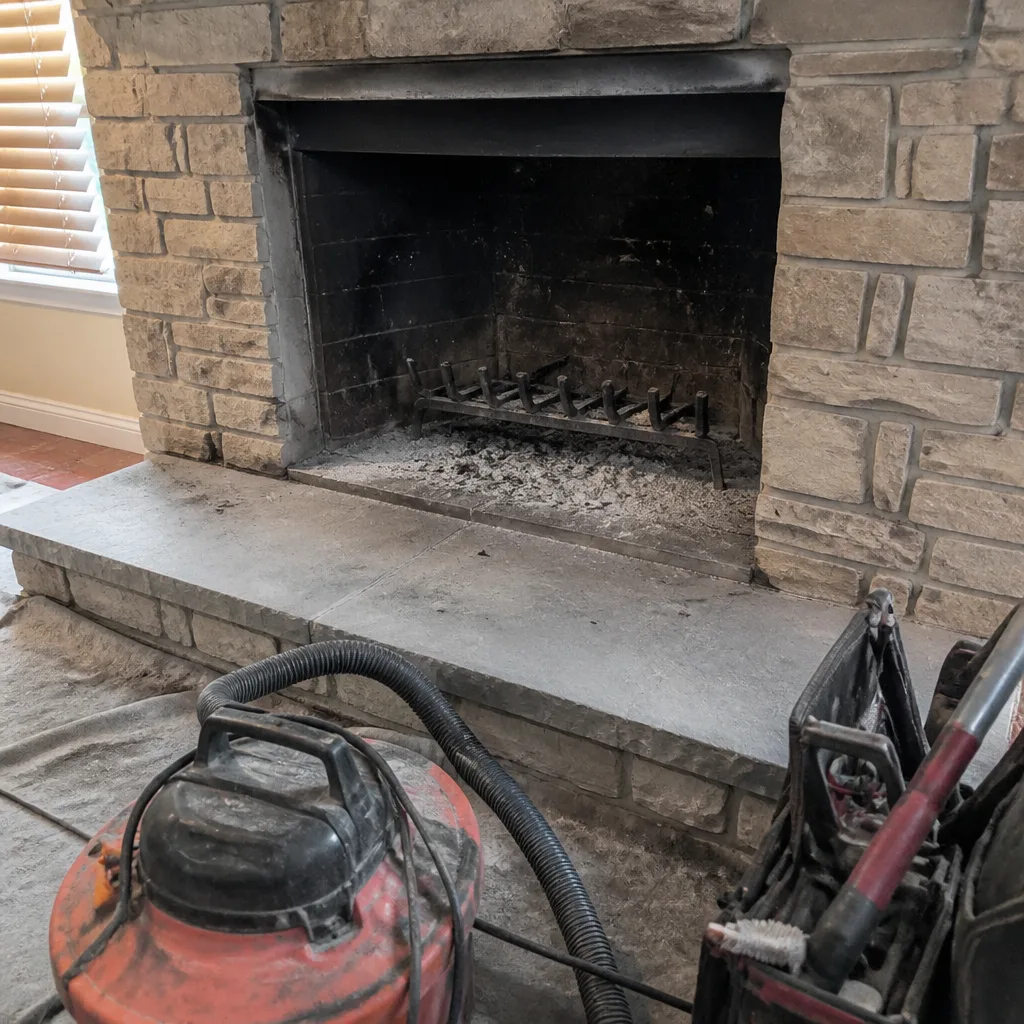 Before
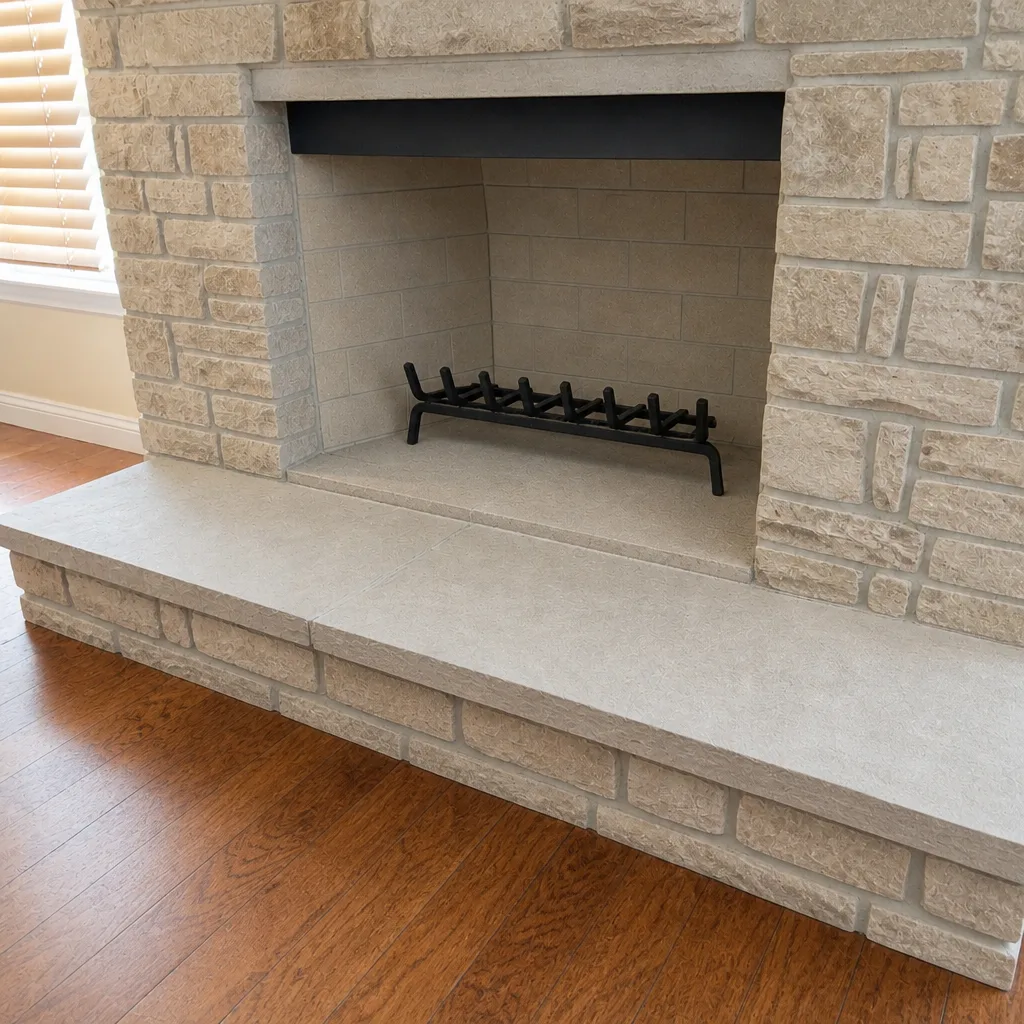 After
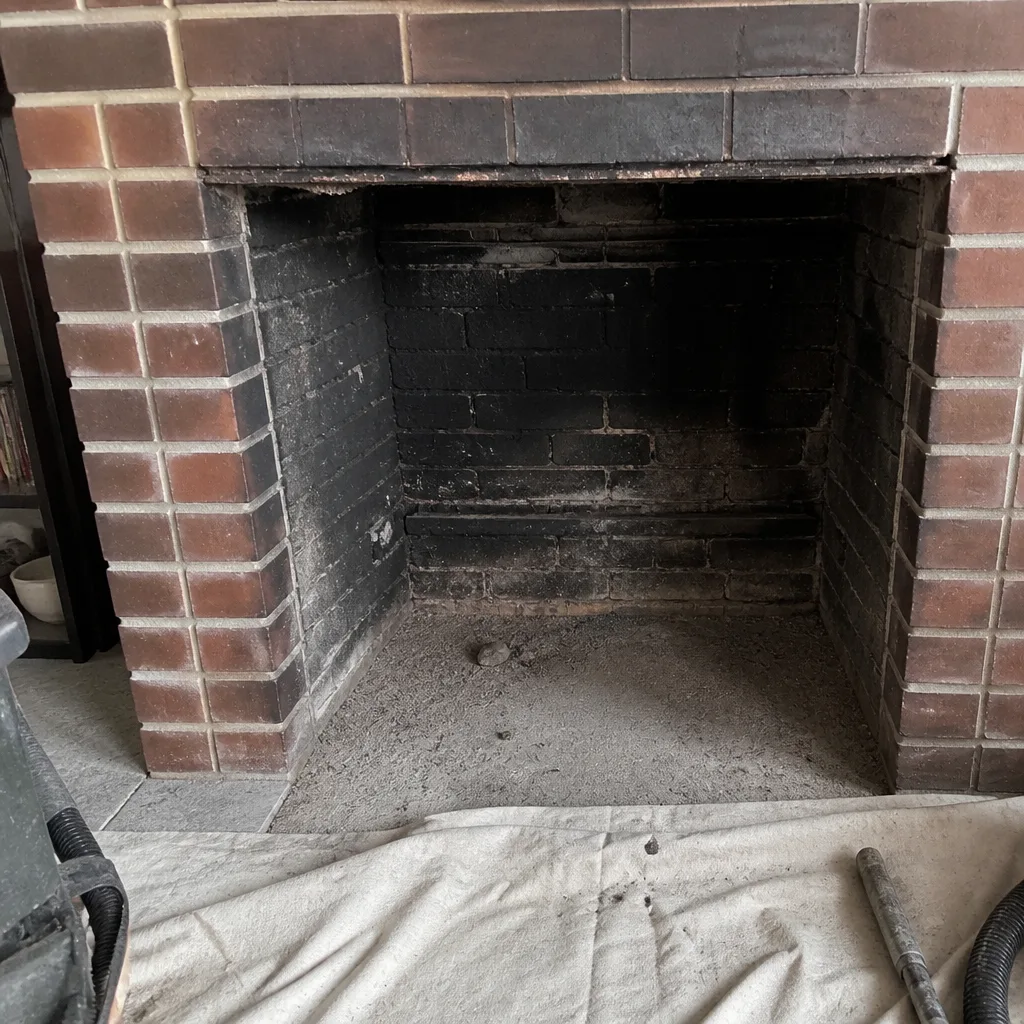 Before
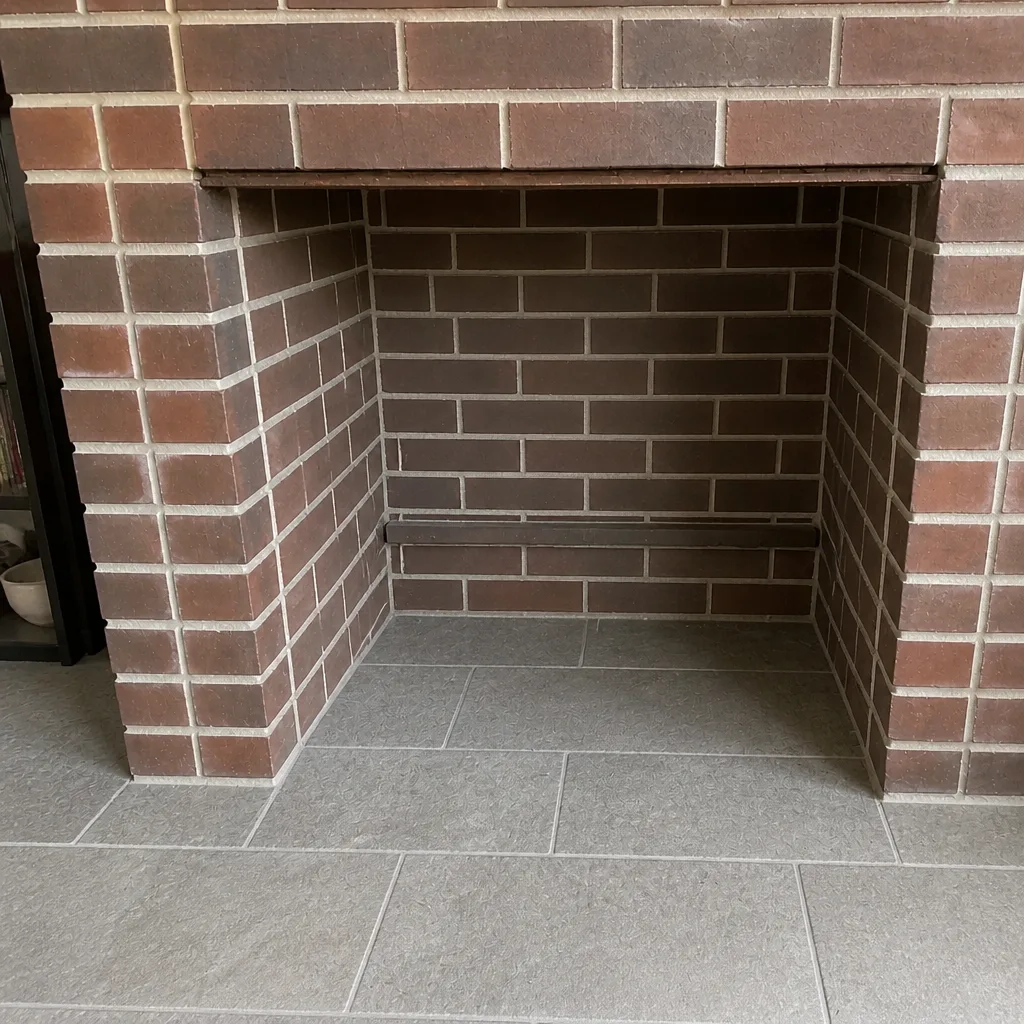 After
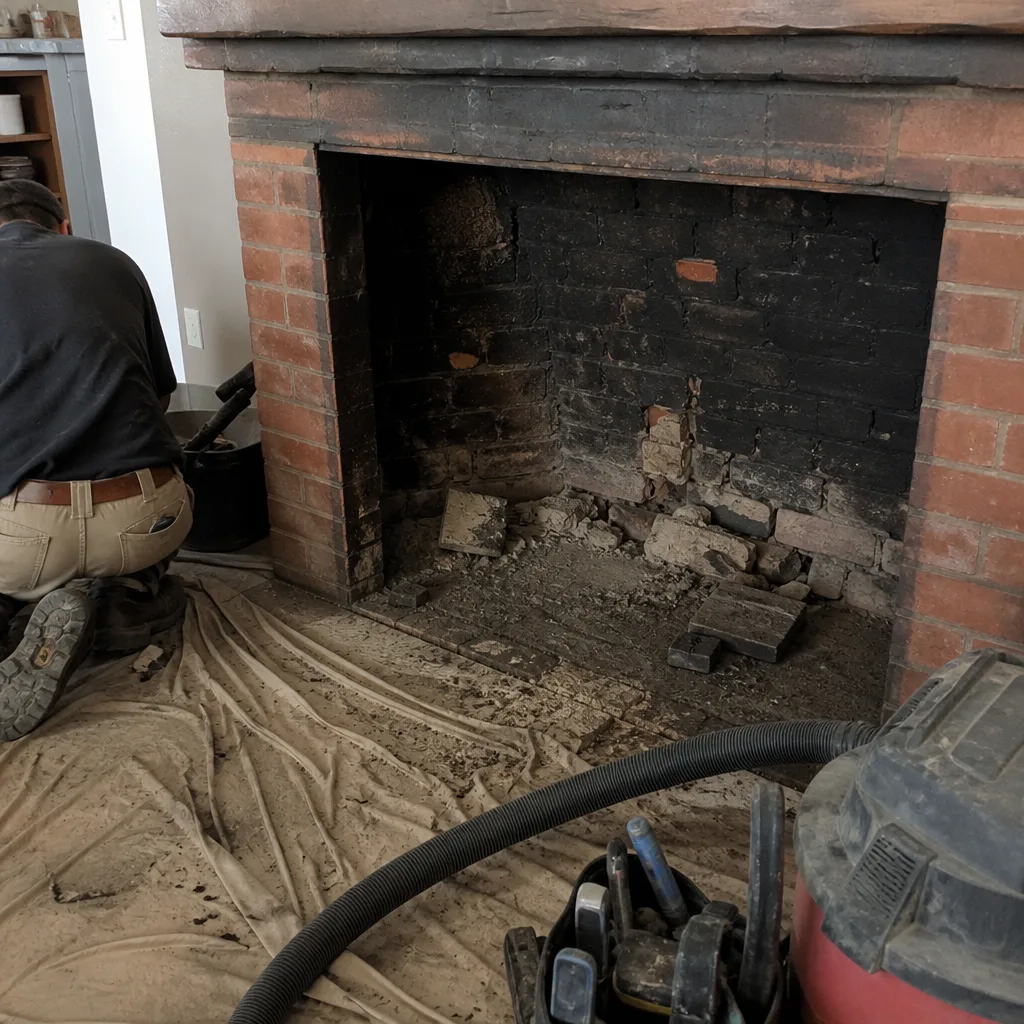 Before
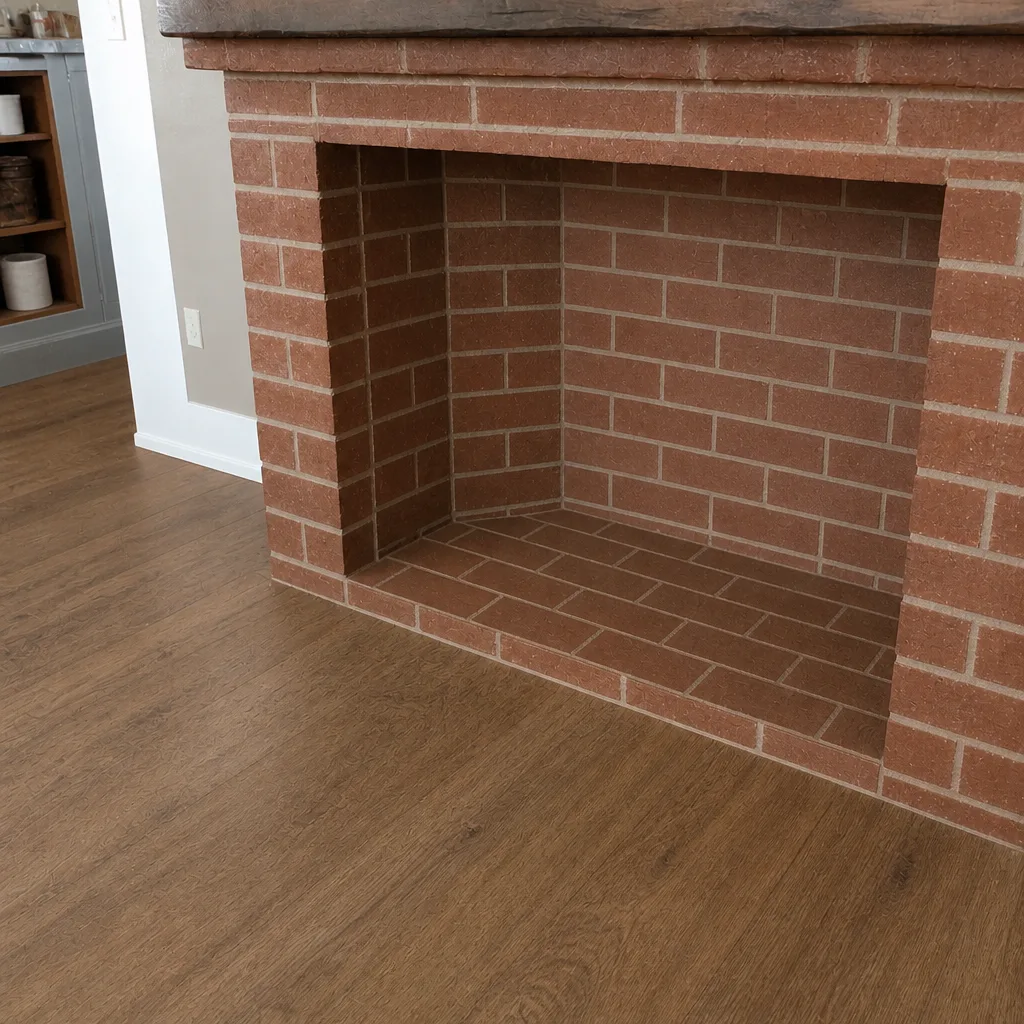 After
Common Mistakes to Avoid
- Waiting until October to think about the chimney. By then, the freeze-thaw cycle has already done its work and the repair window is compressed. Booking the annual inspection in spring gives you a calmer season with better masonry weather.
- Cleaning the firebox and calling it a sweep. The firebox is the visible part. The flue is where creosote and liner damage actually live, and it can only be assessed with a camera and a proper sweep.
- Patching a cracked crown with caulk or mortar without fixing the slope. A crown that doesn’t shed water will crack again within a winter. The fix is rebuilding the slope, not sealing the top.
- Assuming a gas fireplace doesn’t need inspection. Gas fireplaces vent through the chimney and have their own venting and carbon monoxide concerns. An annual look at the flue and vent is worth the same care a wood-burning system gets.
- Burning wet wood “to get rid of it.” Wet wood burns cool, which is exactly the condition that creates the heaviest creosote. Burning wet wood is the fastest way to load up a flue between sweeps.
- Ignoring the cap because it “looks fine from the ground.” Caps fail at the seams and gaskets where you can’t see them from below. An inspection from the roof level is what catches a cap issue before it becomes water damage.
- Skipping the CO detector check. Any chimney-connected appliance, gas or wood, can produce carbon monoxide if the flue is blocked or damaged. Every fall checklist should end with a working detector on every floor.
When to Call a Professional
Some chimney checks you can do from the ground. Look at the cap. Look at the brick for white bloom or rust streaks. Test the damper. Those are homeowner-level observations, and they’re valuable. When the checklist calls for anything inside the flue, or for anything on the roof, or for masonry repair, that’s when a professional should be on the job. And when you’re connecting to a company, the local technician you’re matched with should be licensed and insured as their state requires.
Book a professional visit if: you’ve had a chimney fire, you hear rumbling or roaring from the flue, you see creosote flakes in the firebox, you have smoke backing into the room, you ever smell gas or smoky odors when the fireplace is off, your crown or cap is visibly damaged, you’ve been told by a home inspector or insurance carrier that the chimney needs attention, or it’s simply been more than a season since your last sweep. Chimney Sweep American Fork offers free estimates in American Fork – call (833) 513-8116. We answer 24/7. Fast dispatch from 7am to 7pm, Sunday through Friday.
If you’ve already been told you need chimney repair and you want a second opinion before committing, that’s a conversation we welcome. Nothing is recommended without camera evidence you can see for yourself, and we’ll tell you plainly when a repair can safely wait until spring.
Frequently Asked Questions
Once a year for most wood-burning fireplaces, ideally in spring just after the heating season ends. A homeowner who burns daily through the winter or burns a lot of green wood may need a mid-season inspection as well. Gas fireplace systems should be inspected annually even though they don’t build creosote. If you’ve had a chimney fire or a bird nest, the flue needs a sweep right away regardless of the calendar.
For structural repair, yes. Spring weather lets new mortar and crown materials cure properly, and it gives the repair time to set before the next freeze-thaw cycle. Fall inspections are still valuable, but if the inspection turns up masonry problems, the repair window is compressed. Doing both (repair in spring, inspection in fall) is the ideal pattern. Call (833) 513-8116 to book either visit and get an exact quote. Estimates are free.
Nothing dramatic in most years, but the small things pile up. Creosote thickens, which increases the risk of a chimney fire. Small crown cracks widen through freeze-thaw and let water into the masonry. A damaged cap becomes a nesting site. Over three or four skipped years, the small issues typically become a liner or masonry repair. An annual inspection catches problems at the point where they’re cheap to fix.
It depends on what a camera inspection finds. If the liner is cracked but structurally intact, HeatShield resurfacing can often restore it, which avoids the cost of a full reline. If the liner has collapsed joints or significant gaps, we install a DuraFlex or Olympia Chimney liner system to replace it. We don’t recommend a reline without camera footage showing the problem. Ask to see it before you agree to anything.
You can burn in summer, but most American Fork homeowners don’t, and it’s not necessary. A short burn once a month in a gas fireplace is a good idea to keep the flue exercised and dry. For a wood fireplace, leaving it shut in summer and doing a spring sweep before the season is the simpler approach. Just block the firebox so animals don’t nest before fall.
Call 911 first. Then, after the fire department has cleared the house, have the chimney professionally inspected before you use it again. A chimney fire can damage the flue liner without any visible sign from outside, and the flue needs a camera inspection to confirm it’s safe. Call (833) 513-8116 to schedule an inspection and get an exact quote – estimates are free.
The Bottom Line
The core idea is this: American Fork’s four seasons each stress a chimney in a different way, so the care plan should match the season, not the calendar of habit. Spring is where structural damage becomes visible, and it’s the best time to repair it before it’s baked in by summer and split by the next winter. Summer is where moisture and animals move in. Fall is where the pre-season checklist catches everything that hasn’t been caught. Winter is where warning signs show up and deserve a fast call. Follow that cycle and the chimney stays safe year after year. Skip it and every season quietly makes the next one harder.
If you want one specialist to handle the sweep, the inspection, the firebox and chimney repairs, and the crown and cap, you can reach Chimney Sweep American Fork by calling (833) 513-8116. We answer 24/7. Fast dispatch from 7am to 7pm, Sunday through Friday. Estimates are free, and every recommendation comes with camera evidence you can see for yourself.
Written by the team at Chimney Sweep American Fork.