
Last updated November 24, 2026
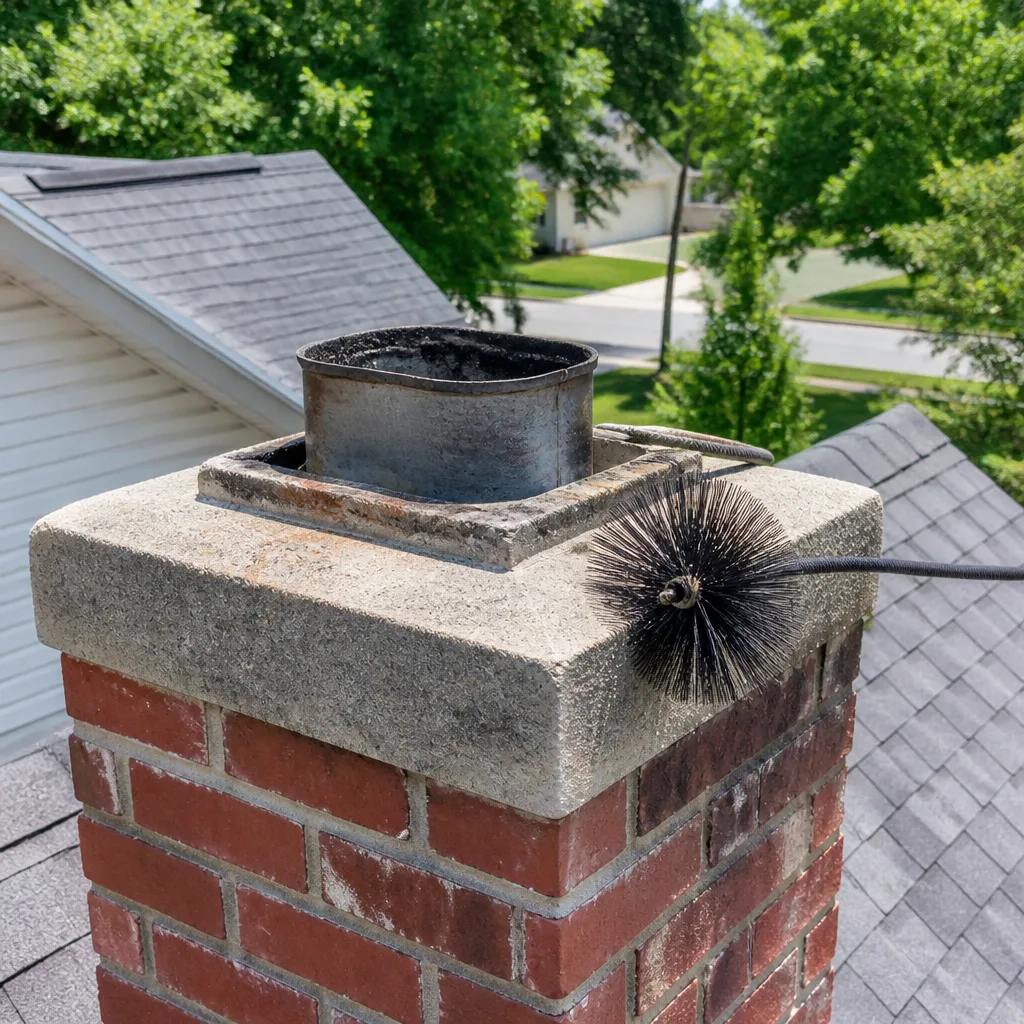 Sweep & inspection
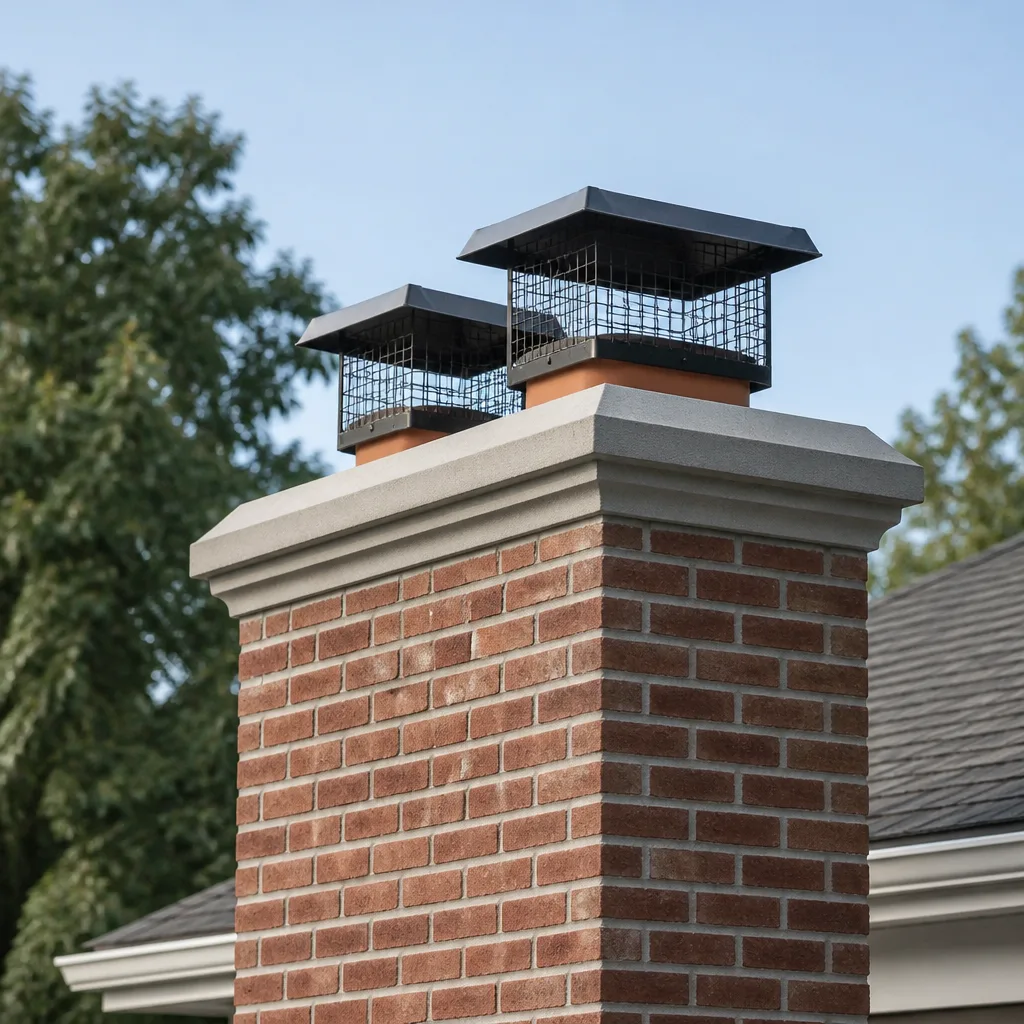 Caps & crowns
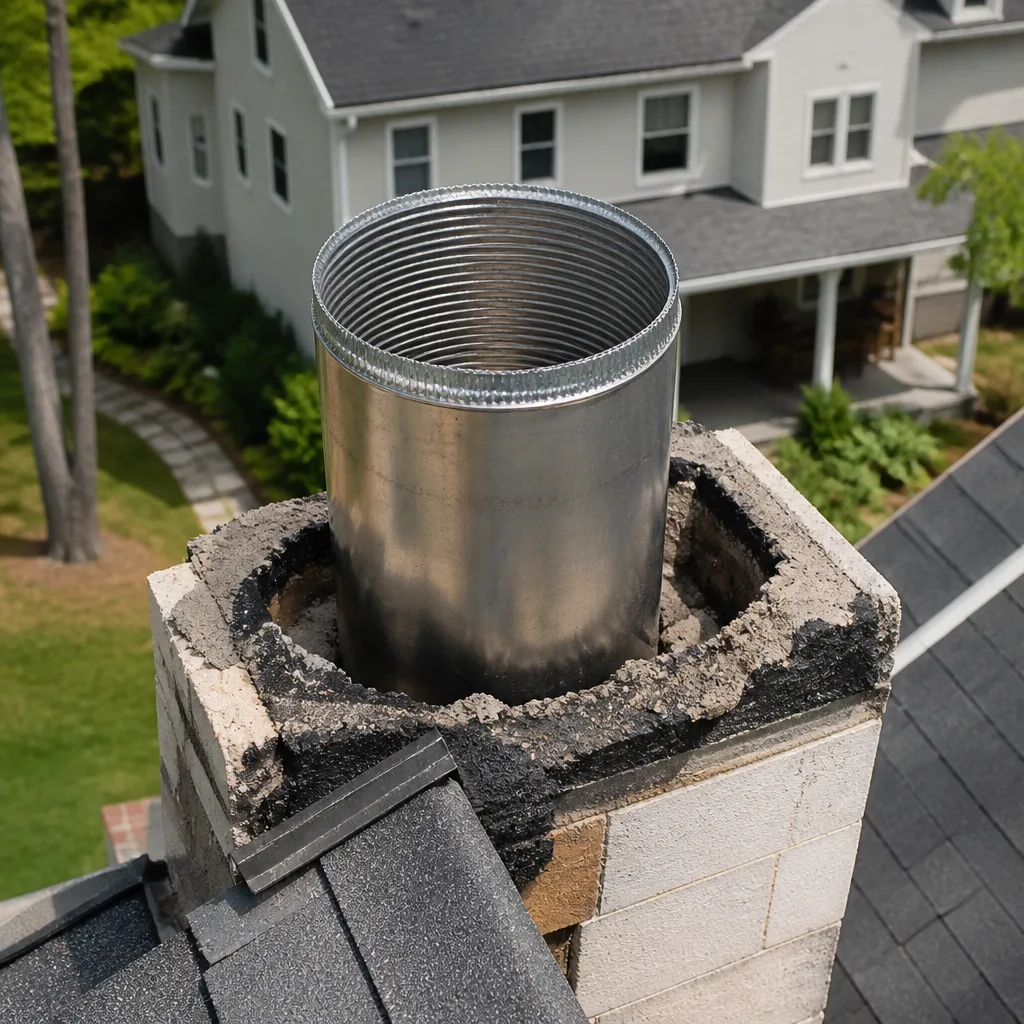 Flue relining
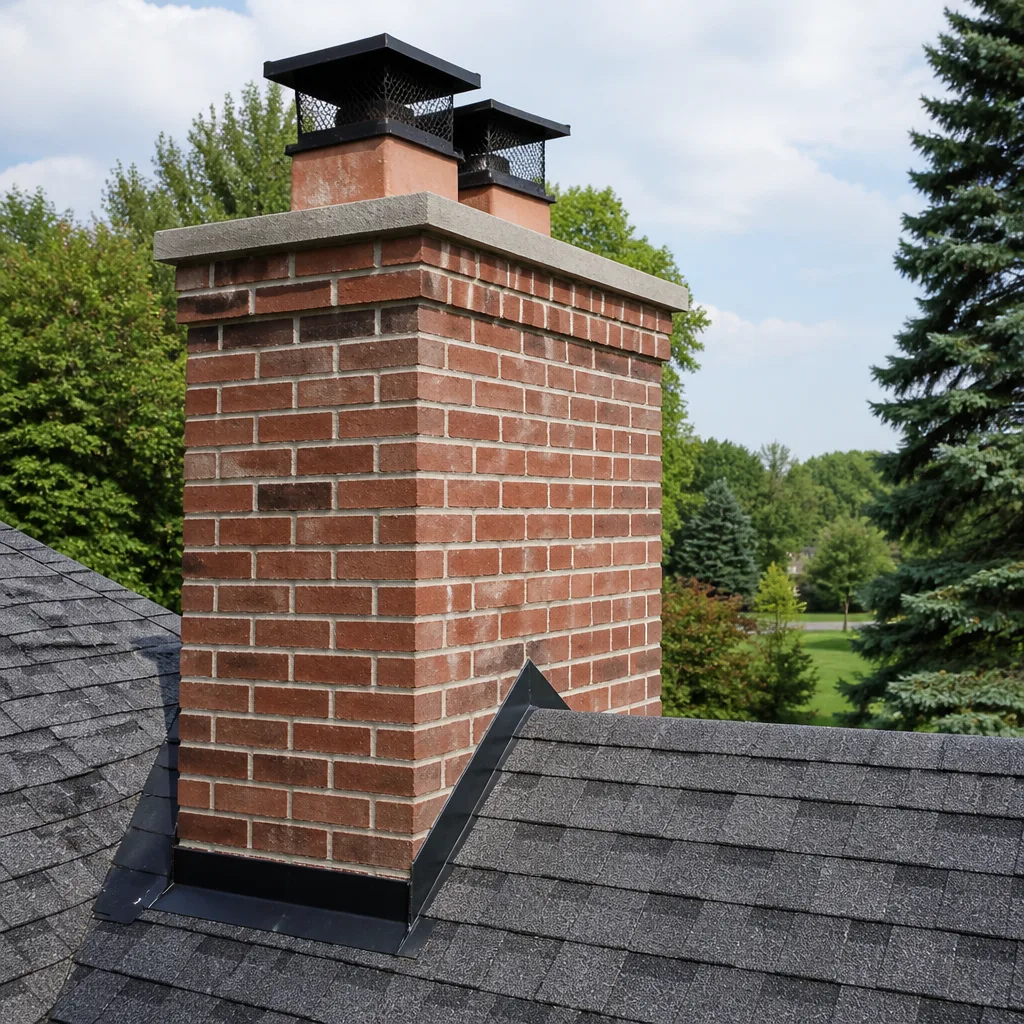 Masonry repair
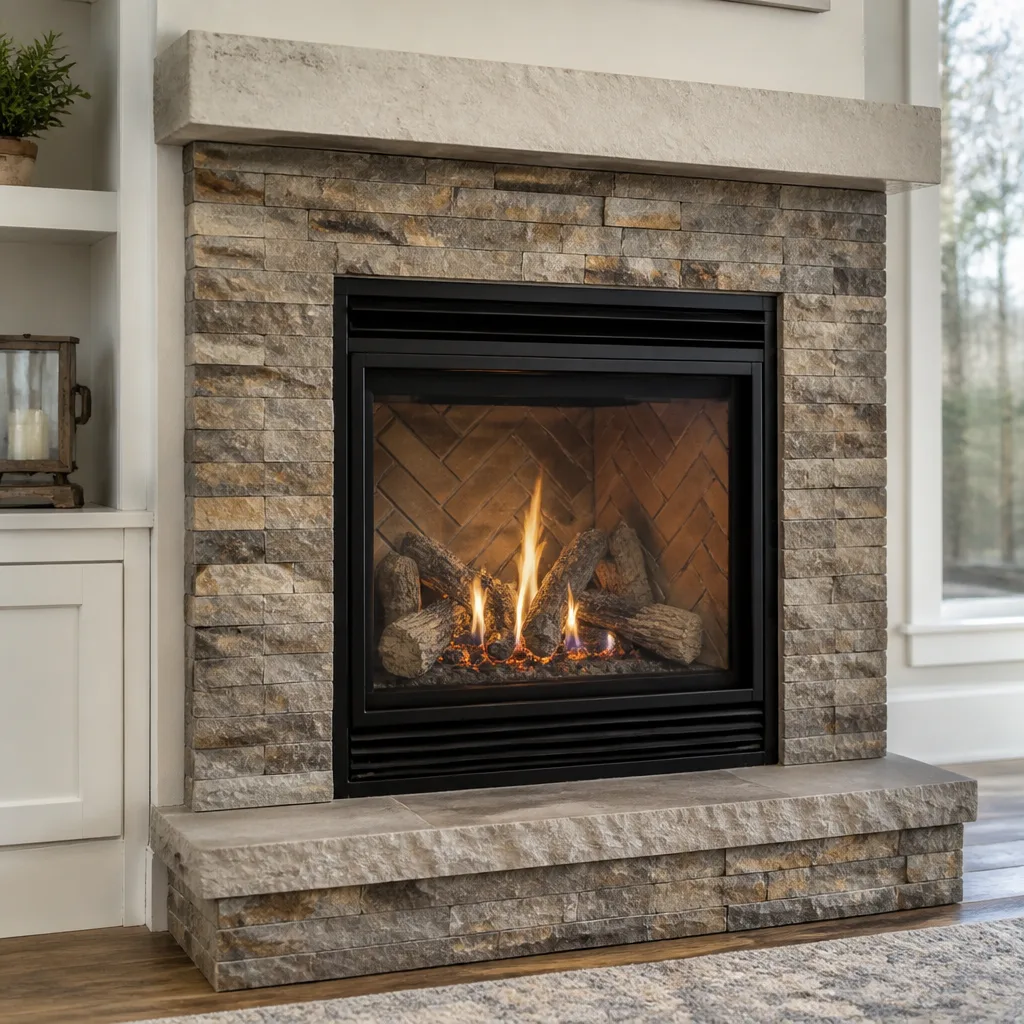 Gas fireplace service
Level 1 sweep and inspection to the NFPA 211 annual standard - flue, crown, cap, and flashing checked and photographed
Chimney sweep logs do not sweep chimneys. They loosen some creosote - which then falls where a brush and vacuum still have to collect it.
Chimney Cleaning Emergency Preparedness Guide for American Fork Homes
Most homeowners believe a chimney emergency announces itself with flames shooting from the roof. It rarely does. A chimney fire can reach 2,000°F inside the flue within 60 seconds of ignition, and many of them burn themselves out before anyone on the street notices smoke. By the time a fire department could arrive, the critical window has already closed. That’s why the actions you take in the first two minutes matter more than anything that happens after. This guide walks American Fork homeowners through the three chimney emergencies that actually happen here, how to tell them apart, what to keep on hand, and what to do after the danger passes.
Quick Answer
If you suspect a chimney fire, call 911 first, then close the fireplace doors and dampers to starve the fire of oxygen, get everyone outside, and don’t use the fireplace again until a professional inspects it. If a carbon monoxide alarm sounds while a fire is burning, put the fire out if you safely can, open windows, evacuate, and call 911. Smoke rolling back into the room means a draft failure: stop burning, open a window near the fireplace, and have the flue checked before the next fire. Any chimney that has seen a fire, a CO event, or heavy smoke backup needs a professional inspection before its next use. Call (833) 513-8116 for a free estimate on inspection and cleaning.
Styles & brands we work with
- Sweep & inspection
- Caps & crowns
- Flue relining
- Masonry repair
- Gas fireplace service
Table of Contents
- Why American Fork Homes Face Specific Chimney Risks
- The Three Chimney Emergencies and Exactly What to Do
- How to Tell a Noisy Draft From an Active Chimney Fire
- What to Keep on Hand Before You Need It
- Your Maintenance Record and the Insurance Claim
- After the Emergency: What the Inspection Looks For
- Prevention: The Maintenance Rhythm That Stops Most of This
- Common Mistakes to Avoid
Why American Fork Homes Face Specific Chimney Risks
American Fork sits in a mountain valley where winter air settles cold and heavy, and that geography shapes how chimneys behave. On clear, still nights, the outside air can be colder than the flue gas inside your chimney, and that temperature difference is what drives draft. When the valley traps cold air close to the ground, the pressure can shift enough that a chimney which drafted fine all afternoon starts slow or reverses after dark. Homes near the foothills, where the cold air drains downslope in the evening, tend to see this more than homes on flatter ground closer to the center of town.
The other local factor is burn behavior. Long, cold stretches mean homeowners burn steadily for months, and steady burning builds creosote faster than occasional fires do. Creosote accumulates in three forms, and the glazed, hardened kind is the one that ignites at lower temperatures and burns hottest. That’s the fuel behind most chimney fires, and it builds quietly where you can’t see it.
Housing stock matters too. Older homes in American Fork often have masonry chimneys with clay tile liners, and those tiles crack as the house settles and as years of heating and cooling cycles work on them. A cracked tile lets heat reach the framing and lets creosote sit where a brush can’t reach cleanly. Newer construction tends to use factory-built metal chimneys with their own inspection needs. Both kinds fail in ways a homeowner can’t spot from the hearth. This is why planning ahead beats reacting. The rest of this guide is about being ready either way.
The Three Chimney Emergencies and Exactly What to Do
Nearly every chimney emergency in American Fork falls into one of three categories. Each has a different first move, and getting the sequence right is the difference between a contained event and a house fire.
1. Active Chimney Fire
Signs include a loud roaring or crackling that sounds like a freight train, dense smoke from the top of the chimney, a glowing or vibrating chimney pipe, or puffs of black smoke inside the firebox. If you see or hear any of these:
- Call 911 immediately, even if the fire seems to be dying down. Chimney fires can travel into framing and attic spaces where you can’t see them.
- Close the glass doors on the fireplace and shut the damper if you can do it safely. Cutting off air slows the fire.
- Get everyone out of the house, including pets. Don’t stop to gather belongings.
- Don’t spray water into the firebox. In a hot flue, water can crack masonry and send steam and debris back at you.
- Wait for the fire department outside, and once they’ve cleared the scene, keep the fireplace cold until a chimney professional inspects it.
2. CO Alarm During Fireplace Use
A carbon monoxide alarm sounding while a fire is burning is a serious event, not a nuisance. Carbon monoxide is invisible and odorless, and it comes from incomplete combustion or from flue gas escaping into the home instead of up the chimney. If the alarm goes off:
- Get everyone outside and call 911 from outside the home.
- If you can safely reach the fireplace, close the doors and damper to limit what’s escaping into the room.
- Open windows and doors on your way out to ventilate the space.
- Don’t re-enter until the fire department says it’s clear.
- Have the chimney inspected before you burn again. The cause is often a blocked flue, a cracked liner, or a draft problem.
If a CO alarm sounds and no fire is burning, still treat it as real. Call 911, evacuate, and let the fire department find the source. Fireplace-adjacent CO problems are one reason a professional inspection belongs on your calendar before the heating season, not after.
3. Smoke Rollback Into the Living Space
Smoke that spills out of the firebox instead of going up the flue is the most common of the three, and it’s the one homeowners most often ignore. It signals a draft failure. Stop feeding the fire. Open a window or door near the fireplace to equalize pressure, and let the fire die naturally. If the smoke clears once the fire is down, the cause is often a cold flue that needs to warm up before draft establishes, or a pressure imbalance from an exhaust fan, a bathroom vent, or a clothes dryer pulling air out of the house. If smoke backs up repeatedly with the same conditions, the flue needs a professional look. A partial blockage from creosote, a bird nest, or a damaged cap can cause it, and a small problem handled early stays small. If rollback happens more than once or twice in a season, schedule a chimney sweep so we can see exactly what’s inside the flue before you burn again.
How to Tell a Noisy Draft From an Active Chimney Fire
Not every loud chimney sound is a fire, and not every quiet chimney is safe. Knowing the difference keeps you from calling 911 over a normal pressure event and, more importantly, keeps you from ignoring a real one.
A noisy draft event typically sounds like a low whoosh, a flapping, or a soft rumble, and it tends to come and go with wind gusts or when a fan turns on in another room. It starts and stops. The chimney often gets quieter when you open a nearby window or crack a door. You may smell wood smoke in the room even as the fire burns normally. That’s a pressure symptom, not combustion in the flue.
An active chimney fire usually sounds different: a persistent roar or crackling that doesn’t stop, sometimes with popping sounds from the flue, and it may vibrate the pipe or the surrounding chimney structure. You might see dense smoke from the chimney cap, glowing creosote visible through the firebox, or a heat shimmer around the chimney. Any combination of those signs means treat it as a fire and act on the numbered steps above.
- If it comes and goes with wind or fans: probably a draft or pressure event.
- If it’s loud, constant, and accompanied by heavy smoke or vibration: treat it as a chimney fire.
- If you smell smoke inside with a normal-looking fire: a draft problem, worth an inspection.
- If you can’t tell: err on the side of calling 911 and getting out. The cost of a false alarm is nothing next to the alternative.
We’ve seen plenty of both in American Fork homes, and the honest answer is that a homeowner can’t always tell from the living room. That uncertainty is a reason to have a professional look at the flue before the season starts, not during an emergency. Our technicians have up to 9 years of experience reading the signs a chimney shows through the firebox and the cap.
What to Keep on Hand Before You Need It
Preparation is the part of emergency readiness that actually works. A few inexpensive items, placed thoughtfully, buy you the time that matters most.
- Working carbon monoxide detectors on every level, and one within reach of the fireplace, per manufacturer instructions. Test them monthly and replace the batteries on a schedule you’ll remember.
- Chimney fire suppressant sticks, which are designed to be tossed into an active firebox fire to slow combustion before the fire department arrives. They’re not a substitute for calling 911, and they don’t replace an inspection afterward. They just buy time.
- A draft test tool, such as a smoke pencil or an inexpensive draft gauge, so you can confirm your chimney is drawing before you load it up on a cold night. A quick test before the first fire of the season tells you whether you need to open a window or schedule a visit.
- A fire extinguisher rated for the type of fire you might have, and a clear understanding of how to use it.
- The brand and model of your fireplace or stove, written down somewhere you’ll find it, in case you need to look anything up in an emergency.
A chimney cap and crown are part of this kit in a structural sense. A missing or damaged cap lets rain, birds, and debris into the flue, and a cracked crown lets water into the masonry. In American Fork, where freeze-thaw cycles work on masonry all winter, a cracked crown can turn into a much larger rebuild if it goes unfixed. We line with DuraFlex flexible liner systems and install caps and crowns as part of a complete moisture and debris protection system, not as standalone add-ons. That matters because the cap is doing its job only if the crown underneath is sound too.
Your Maintenance Record and the Insurance Claim
If a chimney fire ever does happen, the paper trail in your file cabinet matters almost as much as the fire department’s report. Insurance carriers handling a chimney fire claim routinely ask for evidence of maintenance. A dated record of annual sweeps and inspections is often what separates a covered claim from a long argument about whether the loss came from owner neglect.
The record doesn’t need to be elaborate. A simple folder, paper or digital, that holds the date of each sweep, who did it, what the technician found, and any recommended repairs is enough. Keep the inspection reports too. If a technician noted a cracked tile or a recommendation to resurface the liner, and that work was completed later, the completed paperwork closes the loop. If it was recommended and never done, that’s a different conversation, and it’s better had before a loss than after.
This is the quiet argument for routine Chimney Sweep American Fork service on a schedule rather than when you remember to call. A sweep you’d have skipped is the exact document your insurer asks for. And the inspection that comes with a sweep is the protection itself: knowing exactly what’s inside your flue before the season starts is worth more than any inspection you scramble to arrange after the smoke clears.
| Document | Why It Matters in a Claim |
|---|---|
| Dated sweep records | Shows routine maintenance and care |
| Inspection reports | Documents the condition found at each visit |
| Completed repair paperwork | Shows recommended work was carried out |
| Fire department report | Independent account of the incident |
| Photos of pre-fire condition | Helps establish baseline and any pre-existing issues |
If you’re already dealing with an insurer who flagged your chimney, a professional inspection with a written report is usually the first step. We can help with that.
After the Emergency: What the Inspection Looks For
After any chimney fire, CO event, or significant smoke backup, the chimney must be professionally inspected before it’s used again. The reason is simple: the damage a fire causes is often hidden, and a chimney that looks fine from the outside can have a cracked liner or heat-damaged framing around it. No one should burn a fire in that flue until a professional has documented its condition.
A post-fire inspection focuses on specific things:
- The flue liner, looking for cracks, spalling, and glazed creosote that may have ignited.
- The chimney’s interior and exterior structure, including the joints, and any sign of heat damage or movement.
- The crown and cap, checking for cracking or damage from the fire or from freeze-thaw.
- The firebox and damper, and any signs that combustion damaged these parts.
- The chimney’s relationship to the framing and attic, checking for heat transfer or staining.
- The masonry and any concrete around the flue.
Our process includes a camera inspection with a photo report, so you can see what we see before we recommend anything. If a liner is damaged, we can often resurface it with HeatShield rather than recommend a full relining, and if full relining is the right answer, we handle it with DuraFlex or Olympia Chimney systems from the same visit through completion. That continuity matters after a fire: one point of contact, one inspection, one set of records.
Prevention: The Maintenance Rhythm That Stops Most of This
The single most effective chimney emergency prevention is a regular cleaning and inspection schedule. A sweep before the heating season removes the creosote that fuels fires, and the inspection that comes with it catches the cracks, blockages, and cap damage that cause the rest. Most chimney fires and CO events are preventable when the flue is clean and sound, and when the homeowner knows how to recognize a draft problem early.
In American Fork, where the burn season is long and the valley traps cold air, we recommend scheduling a sweep before the cold sets in, and a second look if you burn heavily through the winter. If you’re unsure about the state of your fireplace, a fireplace repair check can catch a warped damper or a firebox issue before it turns into a draft failure. And a chimney repair visit handles the crown and cap work that keeps water out of the masonry. The point is to look before the emergency, not after.
Prevention also means paying attention to the smaller signals: a fire that’s harder to start than last year, smoke that rolls into the room when you open the stove door, a cap you haven’t seen from the ground in a while. Those are the early warnings, and they’re cheaper to fix than the alternatives.
Common Mistakes to Avoid
- Waiting to call 911 to see if the fire will settle down. A chimney fire can move into framing faster than you can watch it. Call first, and let the fire department make the call.
- Using the fireplace again after a chimney fire without an inspection. A fire that seems to have burned out can leave a cracked liner or damaged framing. Burning again before an inspection is the most common way a contained event becomes a house fire.
- Ignoring a CO alarm as a false alarm. Carbon monoxide doesn’t smell, and a detector that’s gone off once is telling you something. Treat it as real, evacuate, and have the chimney inspected before you burn again.
- Treating smoke rollback as a nuisance instead of a symptom. In American Fork, where pressure and cold-air pooling change draft, rollback happens, but it’s always a sign to check the flue.
- Skipping the annual sweep to save the cost. A cleaning removes the fuel a chimney fire needs. If money is the concern, the sweep is the cheaper part of the equation by a wide margin.
- Letting a cracked crown go through winter. Freeze-thaw cycles work on masonry, and a small crack that lets water in this season is a bigger repair next spring.
- Calling a general handyman for chimney work. Liner, crown, and flue work take specialist tools and products. It’s not a job for a general repair service.
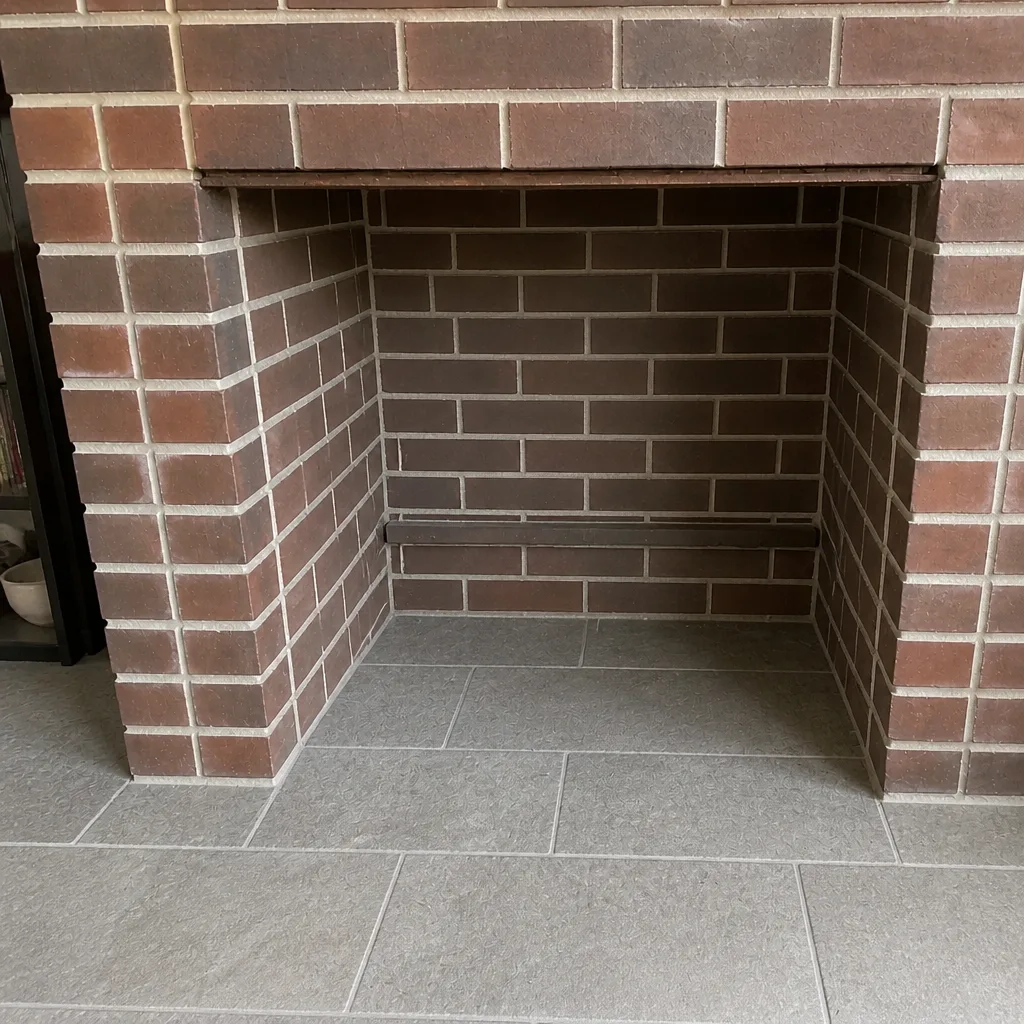
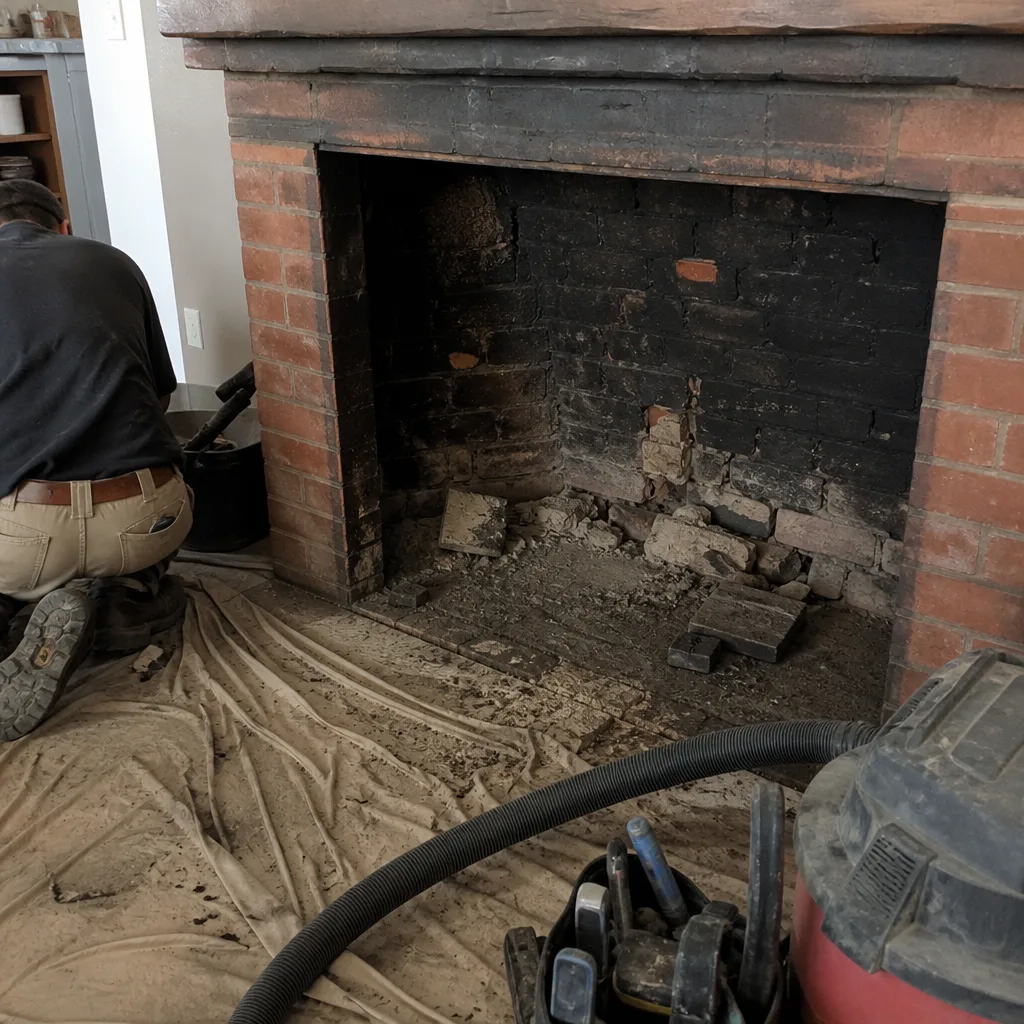
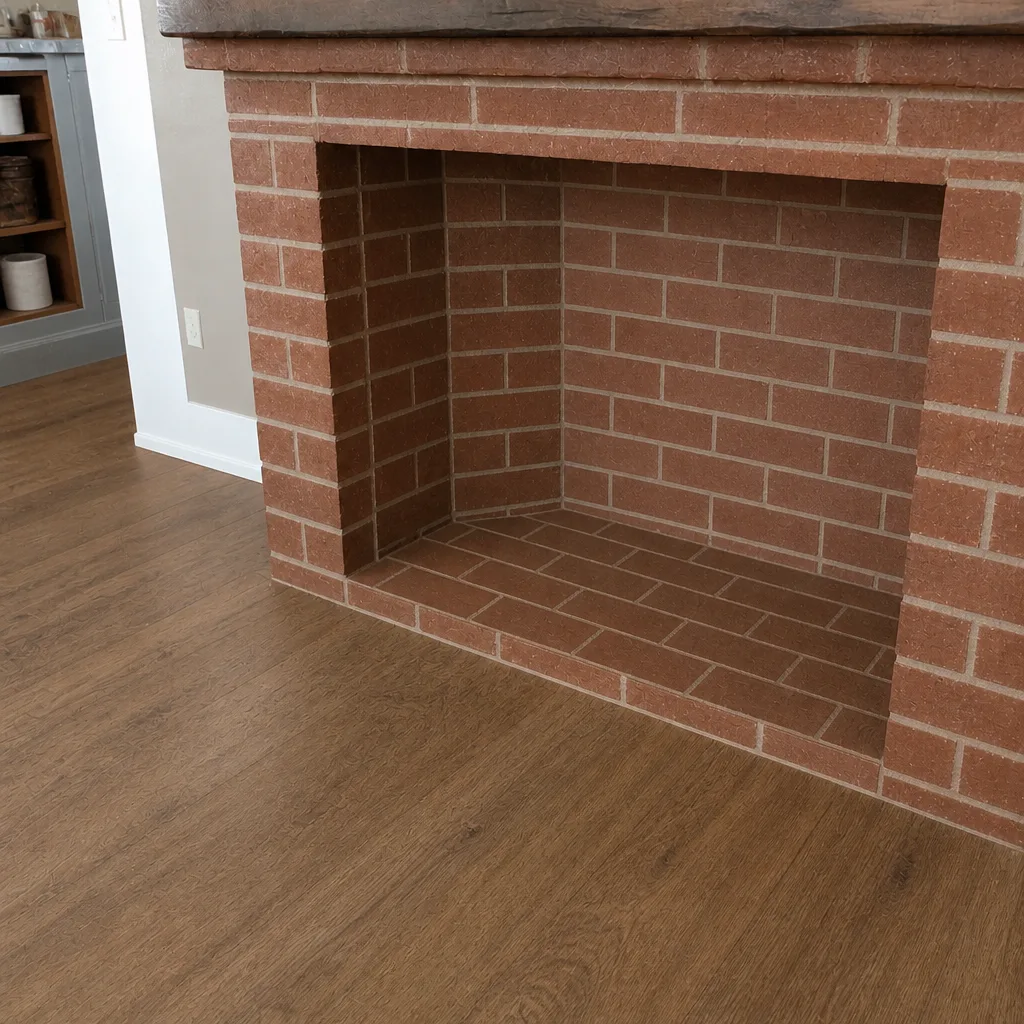
See the difference
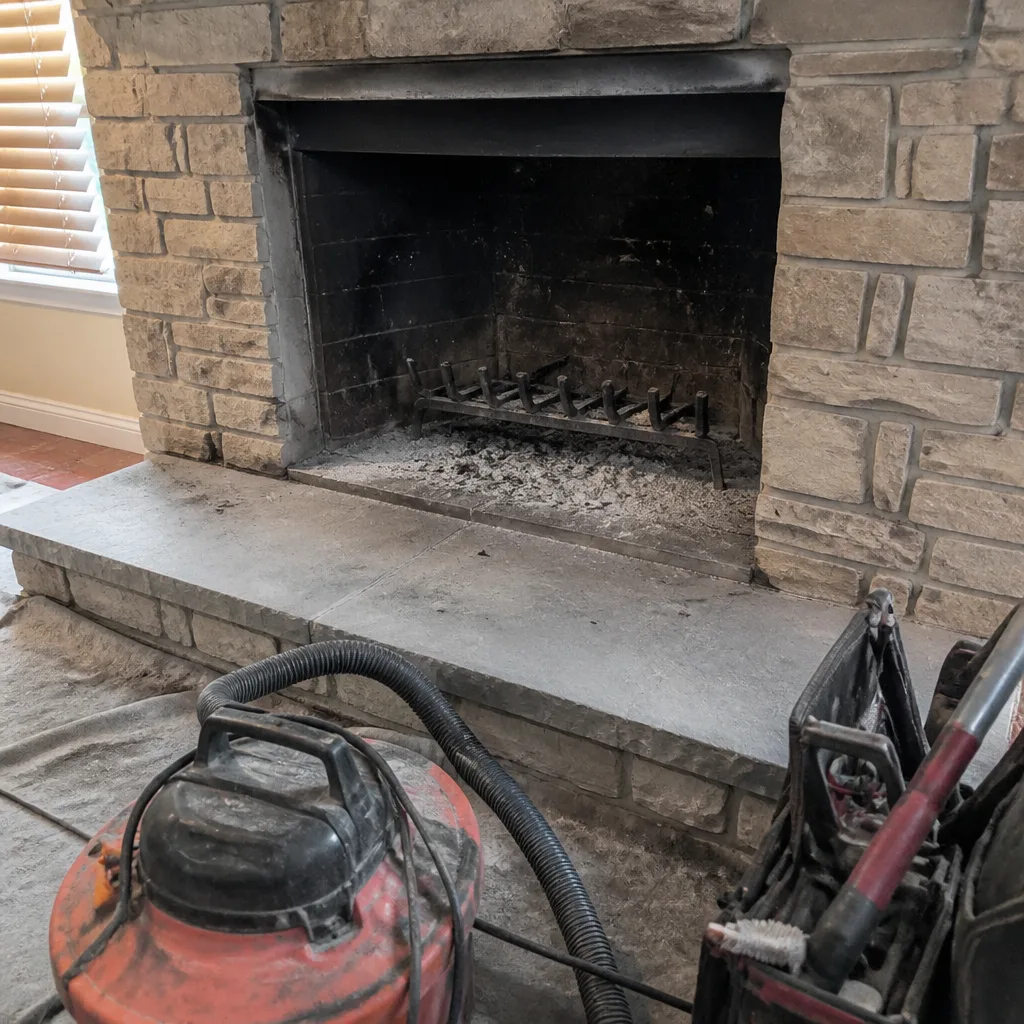 Before
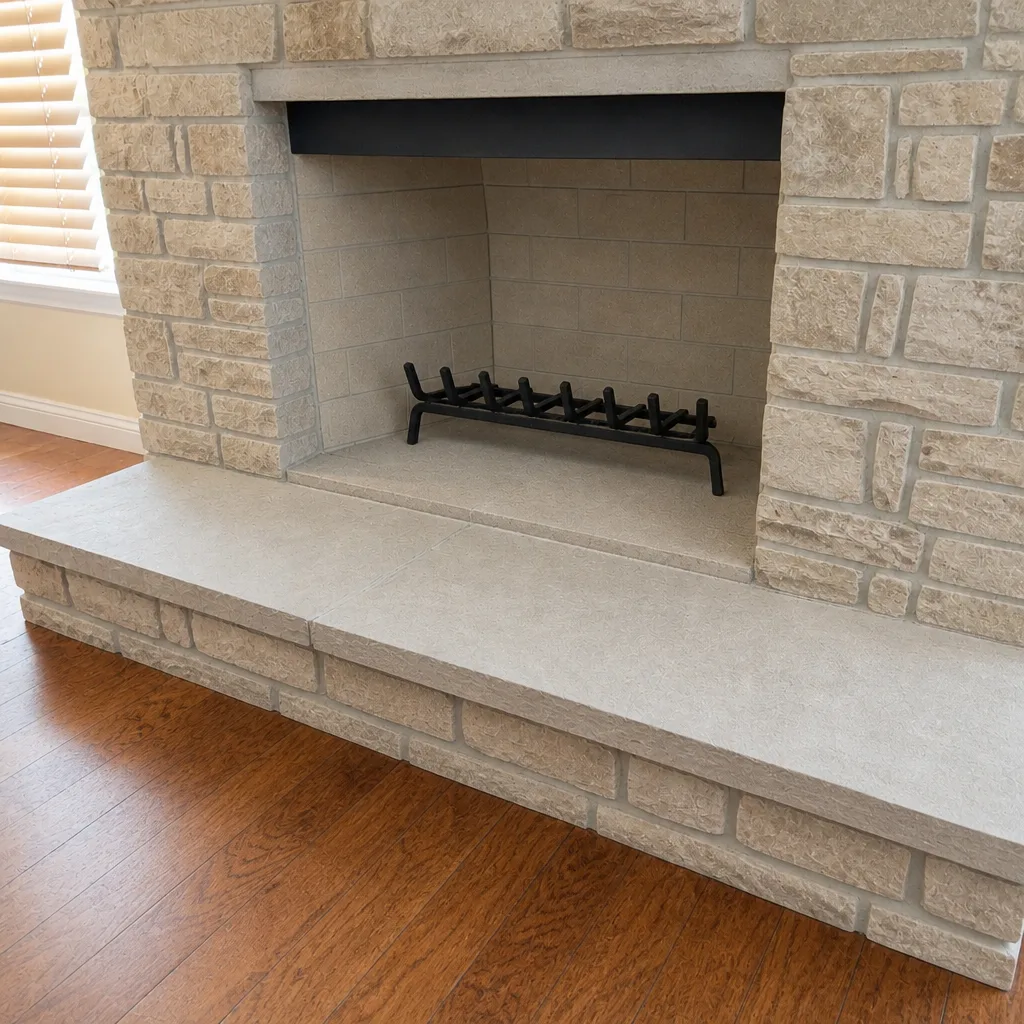 After
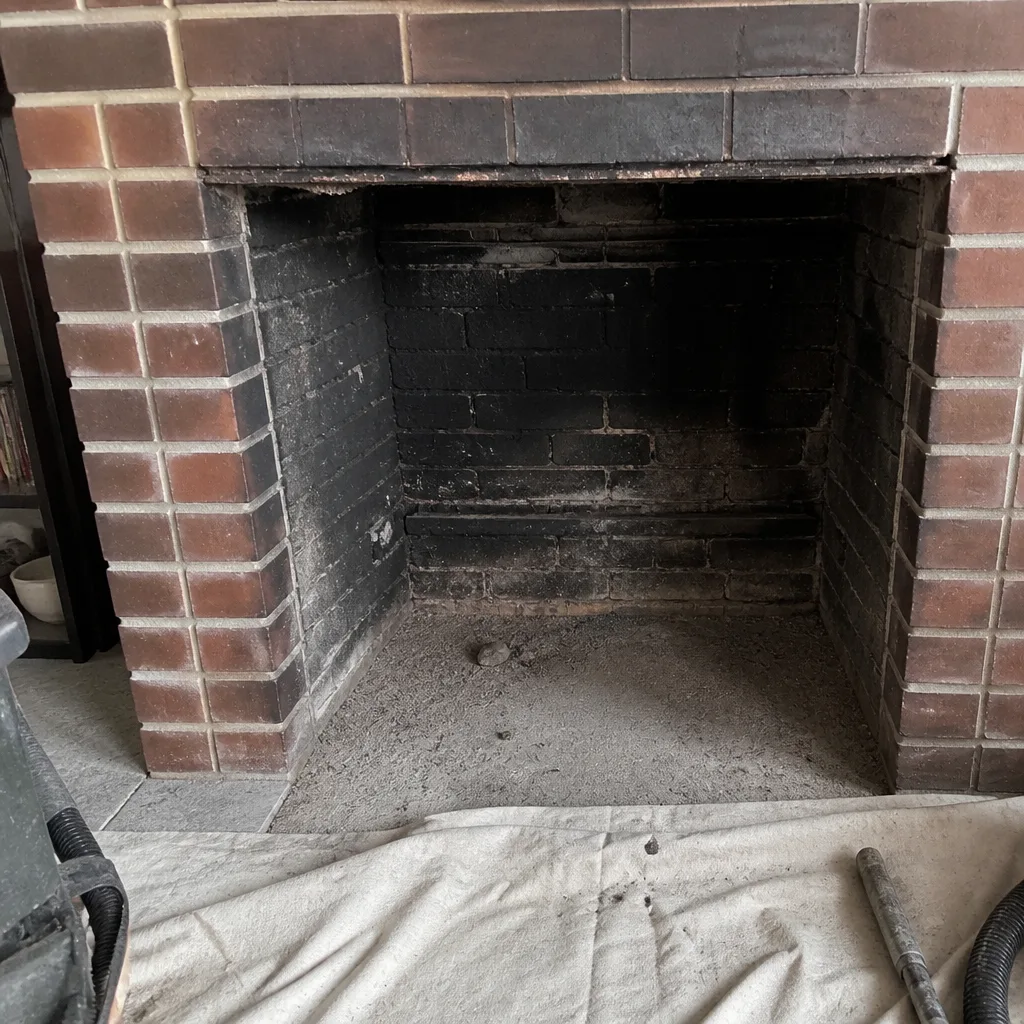 Before
 After
 Before
 After
When to Call a Professional
Call a chimney professional if you’ve had a chimney fire, a CO alarm during fireplace use, or repeated smoke rollback into the room. Call before the next fire, not after. Call if your home inspector or insurance carrier flagged the chimney, if you’ve moved into an American Fork home and don’t know when the flue was last swept, or if you’ve noticed a cracked crown, a missing cap, or a liner that looks worn. Call if you hear roaring or crackling that you can’t explain. And call before the season if it’s simply been a while. Chimney Sweep American Fork offers free estimates in American Fork, and we can inspect, sweep, and in many cases repair the same issue in one visit. Call (833) 513-8116. We answer 24/7. Fast dispatch from 7am to 7pm, Sunday through Friday.
Frequently Asked Questions
Call 911 first, then close the fireplace doors and damper if you can do it safely, and get everyone out of the house. Don’t wait to see whether it settles down, and don’t use the fireplace again until a professional inspects it. Call (833) 513-8116 once the fire department has cleared the scene and we’ll get you scheduled for the inspection.
A draft event tends to come and go with wind or with a fan running, while a chimney fire is loud, persistent, and often accompanied by heavy smoke or vibration. If you genuinely can’t tell, treat it as a fire, evacuate, and call 911. It’s better to have a false alarm than to wait, and our team can check the flue afterward. Call (833) 513-8116 for a free estimate.
Yes. A fire that burned out on its own can still leave a cracked liner, damaged framing, or glazed creosote that will ignite next time. An inspection with a camera is the only way to know the flue is sound. We include a camera inspection and a photo report so you can see the condition yourself. Call (833) 513-8116 to schedule.
Smoke rollback usually means a draft problem, often from a cold flue, an exhaust fan pulling air out of the house, or a partial blockage in the flue. It can also come from a damaged cap or a cracked liner. If it happens more than once, have the flue checked. Call (833) 513-8116 for a free estimate on an inspection and sweep.
Working carbon monoxide detectors on every level, one near the fireplace, a fire extinguisher, and chimney fire suppressant sticks for the firebox. A draft test tool helps you confirm the flue is drawing before you load it up. None of it replaces routine sweeping and inspection, which is the real prevention. Call (833) 513-8116 to get on a maintenance schedule.
It depends on your policy, but insurers often ask for maintenance records, so a dated file of sweeps and inspections helps your claim. Keep your reports and completed repair paperwork together. If your carrier flagged the chimney, schedule an inspection and keep the written report. Call (833) 513-8116 for a free estimate.
The Bottom Line
Chimney emergencies in American Fork are rare, but they’re almost always preventable. The three that matter, chimney fire, carbon monoxide, and smoke rollback, each have a first move you can practice ahead of time: call 911, close the damper if it’s safe, and get out. Keep CO detectors working and a fire extinguisher on hand. Keep your records, because your insurance carrier will ask. And get the flue inspected after any event, before you burn again. The maintenance rhythm of an annual sweep and inspection prevents most of what this guide describes. From the firebox to the crown, one crew, one call: that’s how a chimney stays safe all winter in American Fork.
Call (833) 513-8116 for a free estimate. We answer 24/7. Fast dispatch from 7am to 7pm, Sunday through Friday.
Written by the team at Chimney Sweep American Fork.