
Last updated November 24, 2026
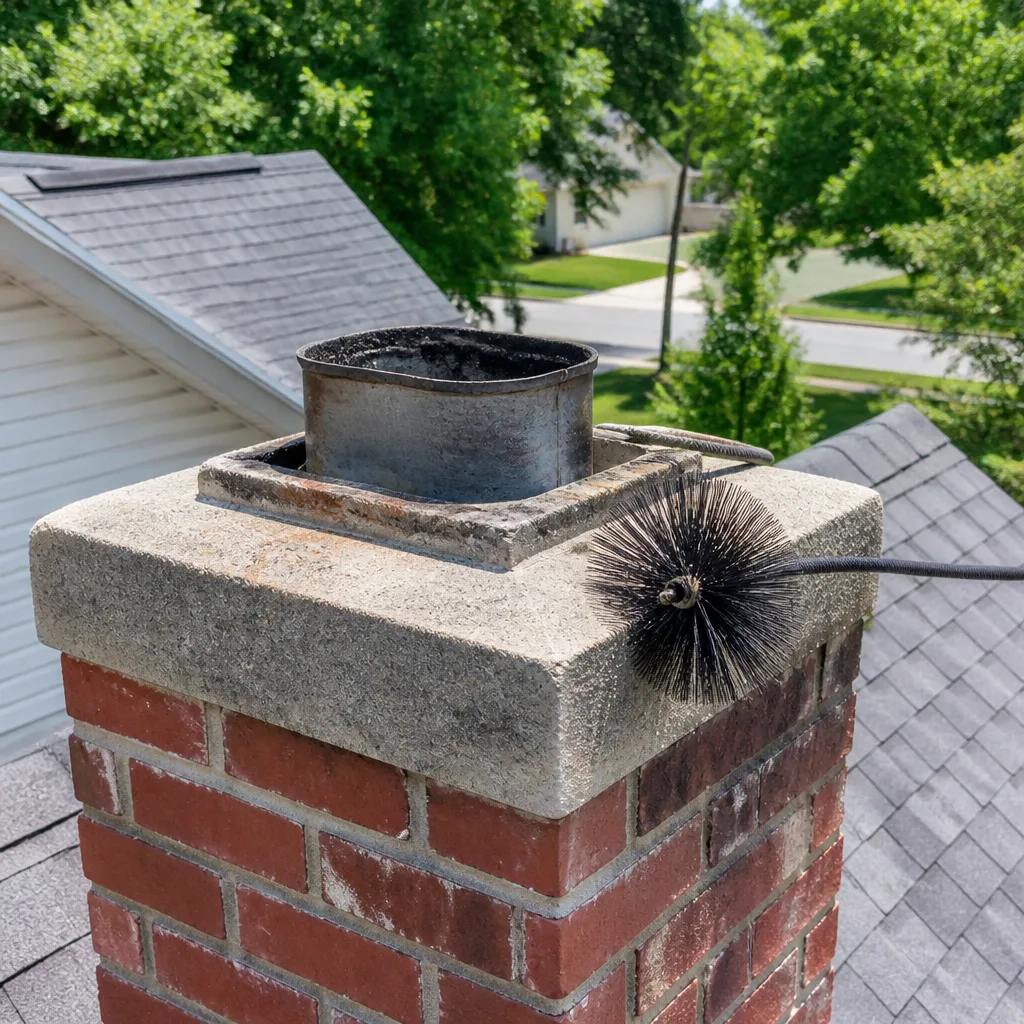 Sweep & inspection
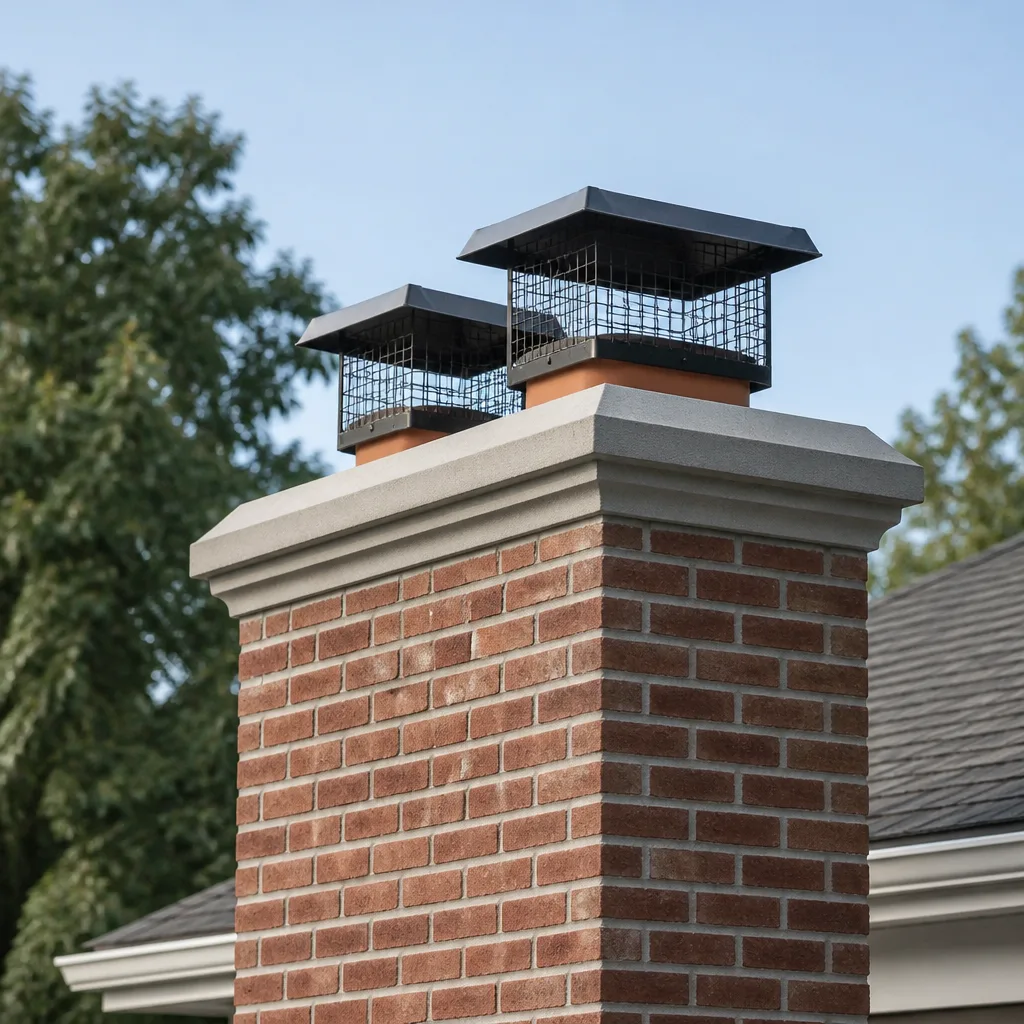 Caps & crowns
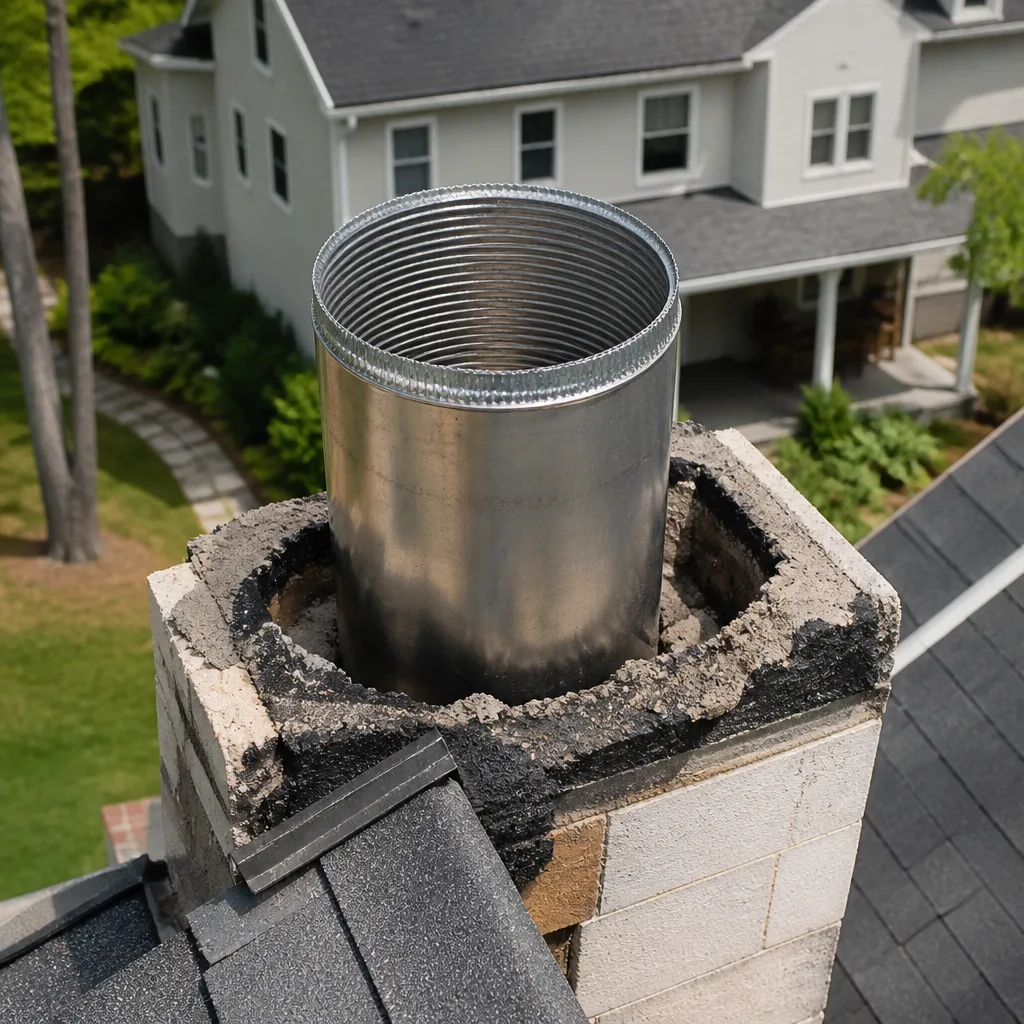 Flue relining
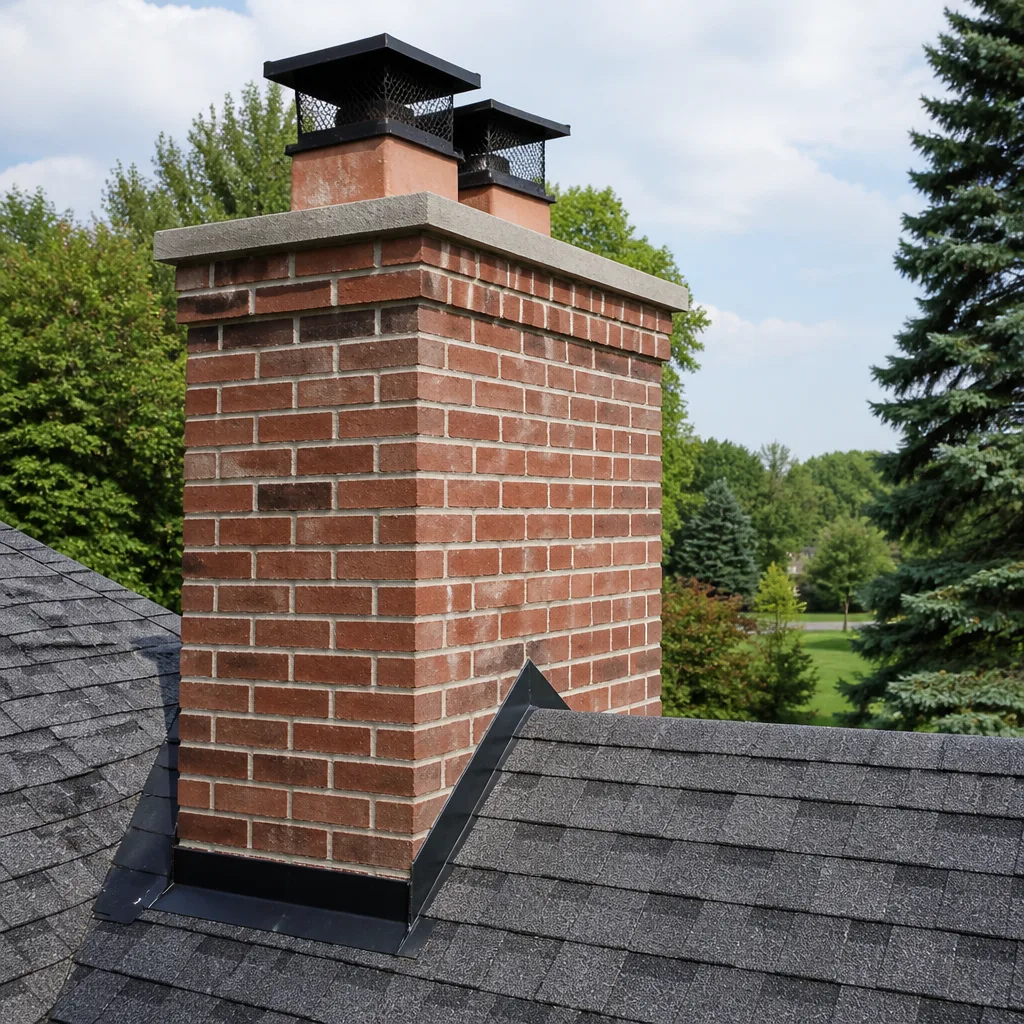 Masonry repair
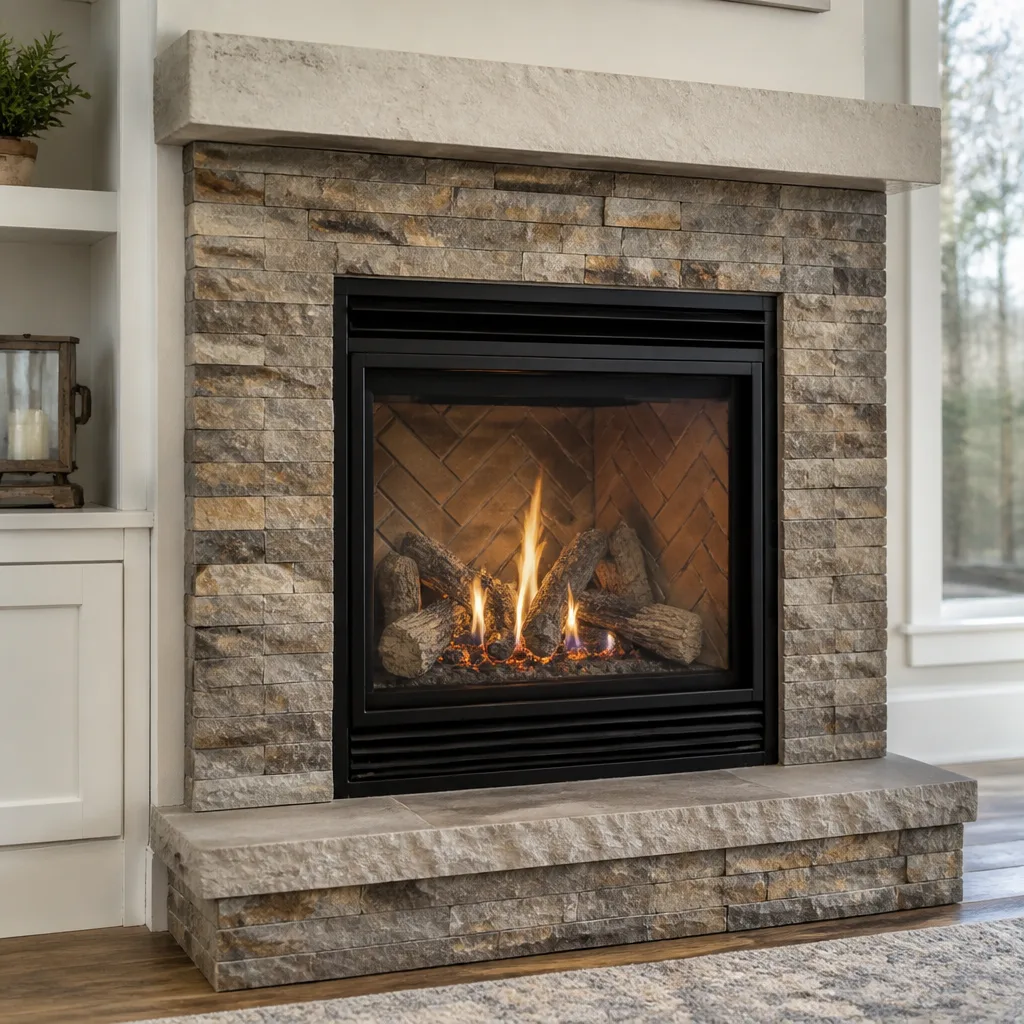 Gas fireplace service
Level 1 sweep and inspection to the NFPA 211 annual standard - flue, crown, cap, and flashing checked and photographed
Chimney sweep logs do not sweep chimneys. They loosen some creosote - which then falls where a brush and vacuum still have to collect it.
Chimney Cleaning Cost Breakdown: The American Fork Homeowner’s Reference for 2026
The $79 chimney cleaning advertised online and the $300 visit from a chimney specialist aren’t competing for the same job. They’re performing different work, with different tools, and one of them comes with documentation you can hand to an insurer or a home inspector. Confusing the two is how a homeowner ends up paying for a sweep, then paying again for the inspection that should have come with it. This guide breaks down what a full-service chimney cleaning in American Fork actually includes line by line, how your appliance type changes the price, which add-ons are genuinely necessary, and what skipping service really costs over time. You’ll finish knowing exactly what a fair quote should look like.
Quick Answer
A full-service chimney cleaning in American Fork typically runs $180 to $340 for a standard wood-burning system, including the sweep and a visual inspection. A basic sweep alone can range from roughly $120 to $200, while gas and pellet appliance services often come in lower and neglected flues or add-on services push the total higher. The written estimate sets your final price, and it should be free.
Styles & brands we work with
- Sweep & inspection
- Caps & crowns
- Flue relining
- Masonry repair
- Gas fireplace service
Table of Contents
- What a Full-Service Chimney Cleaning in American Fork Actually Includes
- How Your Appliance Type Changes the Price
- Add-On Services: Necessary vs. Upsell
- Why Contractor-Grade Equipment Matters
- Annual Cleaning vs. the Cost of Skipping It
- Timing Your Cleaning in American Fork’s Climate
- Common Mistakes to Avoid
- Frequently Asked Questions
What a Full-Service Chimney Cleaning in American Fork Actually Includes
A chimney cleaning quote isn’t one price for one action. It’s a bundle, and understanding the pieces is how you compare two estimates honestly. When we break down a full-service visit, the line items typically look like this.
| Component | Typical Estimate Range | What It Covers |
|---|---|---|
| Basic sweep | $120 – $200 | Removing creosote, soot, and debris from the flue with brushes and rods |
| Firebox and smoke chamber cleaning | $40 – $70 | Cleaning the firebox walls and the sloped smoke chamber above the damper |
| Visual inspection (Level 1) | $40 – $70 | Checking accessible portions of the flue, firebox, damper, and cap |
| Video camera inspection | $75 – $150 | Scanning the full flue interior and capturing photos for your records |
| Cap and crown check | Included in most full-service visits | Verifying the cap, crown, and flashing are intact and shedding water |
That table is why a full-service visit lands between $180 and $340 for a standard masonry fireplace in American Fork. The bottom-dollar sweep you see advertised covers only the first row, and often not well. A proper sweep includes containment so no soot migrates into your living room, a check of the firebox and smoke chamber where creosote also collects, and at minimum a Level 1 visual inspection. The video camera inspection is where the real information lives, and we include it with a photo report so you can see what we see.
Why the Firebox and Smoke Chamber Matter (and Often Get Skipped)
Most cheap sweeps brush the flue and leave. But creosote glazes onto the smoke chamber just as readily, and that sloped, corbelled section above the damper is the hardest part to clean properly. It’s also where a chimney fire often starts. If a quote doesn’t mention the smoke chamber, it isn’t a full cleaning. It’s a partial one priced deceptively low.
How Your Appliance Type Changes the Price
The appliance you burn in is the single biggest swing factor in cleaning cost. A gas fireplace and an open masonry fireplace with a heavy creosote load are not the same job, and no honest quote treats them the same. Here’s how each type typically prices in American Fork.
- Open masonry fireplace: Usually the most involved and accordingly the highest end of the range, because creosote depth and smoke chamber cleaning both add time. A neglected flue can push toward $340.
- Wood insert: Comparable to an open fireplace but often requires pulling the insert or working around it to reach the flue. Expect the middle to upper part of the range.
- Gas fireplace: Typically lower, since there’s little to no creosote. The focus shifts to the venting, the logs, and the burner assembly, so this is often a maintenance-and-inspection visit more than a sweep.
- Pellet stove: Also on the lower end, with cleaning concentrated on the venting, the fire pot, and ash removal rather than heavy creosote.
We mention appliance type not to upsell but because we’ve seen quotes rejected as too high when the homeowner was comparing a gas fireplace cleaning to a quote for a heavily loaded wood flue. They’re different scopes. When you chimney sweep a wood-burning system versus service a gas one, the labor, the tools, and the amount of material removed all differ.
The Creosote Variable
Two identical fireplaces can price differently because of how much creosote has built up. A flue swept every year stays manageable. A flue that hasn’t seen a brush in several seasons can carry glazed, tar-like creosote that takes far longer to remove and may call for chemical treatment before any brush touches it. That’s a function of your burning habits, not a made-up surcharge.
Add-On Services: Necessary vs. Upsell
This is where homeowners get the most anxious, and rightly so. You can’t see inside your own flue, so how do you know if a recommended liner or a crown repair is real? The honest answer is: it has to be shown to you. Here’s how we separate the genuinely necessary from the not-yet.
Services That Are Usually Necessary
- Video camera inspection: On any flue you haven’t personally had inspected, this is information, not an add-on. It reveals cracks, gaps, and deterioration you cannot see from the hearth.
- Chimney cap replacement: A missing or broken cap lets in rain, snow, birds, and debris. In American Fork’s freeze-thaw winters, water intrusion is the leading cause of masonry damage, so a cap is protection, not a luxury.
- Crown repair: A cracked crown lets water into the masonry below it. Sealing it before water gets in prevents the kind of rebuild that costs far more than the sealant.
- Liner resurfacing or relining: Necessary when the flue interior has deteriorated to the point it can no longer safely contain heat and gases. This is where brands like HeatShield and DuraFlex enter the picture, and where documentation matters most.
Services That Can Usually Wait
- Full relining on a flue that’s still sound: If the camera shows an intact, properly sized liner, you don’t need a new one. We’ll tell you so and show you the footage.
- Crown rebuilds on a crown that’s merely weathered: Some cosmetic wear is normal. A rebuild is for structural failure, not surface staining.
- Repointing masonry that’s stable: If the mortar joints are holding and the brick isn’t spalling, repointing can be scheduled later rather than pushed as urgent.
The rule we work by: nothing gets recommended without camera evidence you can look at yourself. If you’ve been told your chimney needs a liner and no one showed you why, that’s your cue to ask for the footage. Our chimney repair work starts from exactly that principle, and we say plainly when something can safely wait a season.
Why Contractor-Grade Equipment Matters
The gap between a cheap sweep and a full-service one shows up in the tools. Standard brushes and a shop vacuum handle a light cleaning, but they miss what actually threatens a chimney. Here’s what professional-grade equipment buys you, and why it affects both price and value.
- Rotary cleaning systems: For glazed or heavy creosote, standard brushes just polish the surface. A rotary system with the right attachments cuts through it, which is why a heavily soiled flue costs more but is actually cleaned.
- Video inspection cameras: A camera on a flexible rod scans the full length of the flue and captures images. This is how cracks in a liner are found before they become a carbon monoxide problem, and how you get documentation for an insurer or a future sale.
- HEPA containment vacuums: A proper vacuum with HEPA filtration keeps soot out of your home’s air during the sweep. Cheap setups leave a fine dust layer on everything.
- Professional liner materials: When relining or resurfacing is needed, the material matters long-term. We work with HeatShield for flue resurfacing, a specialized restoration technique most general contractors aren’t set up to apply, and with DuraFlex flexible liner systems for full relining. Both come with installation continuity from inspection through final fit.
The reason equipment affects price is simple: better tools take more time and cost more to maintain, and they produce a result you can verify. That’s the value in the higher number. A $79 sweep with a hand brush and a shop vac is priced correctly for what it does. It just doesn’t do what a full-service visit does.
Annual Cleaning vs. the Cost of Skipping It
Annual cleaning is the cheapest chimney work you’ll ever pay for. The repairs that follow years of skipping service are where the real money goes. Here’s the honest benchmark comparison, using typical estimate ranges.
| Service | Typical Estimate | Frequency |
|---|---|---|
| Annual sweep and inspection | $180 – $340 per year | Yearly for wood-burning fireplaces |
| Crown sealing or minor repair | $150 – $450 | As needed, often caught during a sweep |
| Chimney cap replacement | $150 – $400 | As needed |
| Liner resurfacing (HeatShield) | Varies by flue; typically less than full relining | When the flue interior has deteriorated |
| Full relining (DuraFlex or similar) | Substantially higher than resurfacing | When the existing liner can’t be saved |
| Crown rebuild or masonry repair | Runs into the thousands for a full rebuild | When water intrusion has gone untreated |
Two things matter here. First, a small problem caught during a routine sweep is a small repair. The same problem found a few seasons later, after water has frozen and thawed through cracked masonry, is a rebuild. Second, creosote accumulation is a fire risk. The National Fire Protection Association recommends chimneys be inspected annually and cleaned as needed, and that guidance exists because creosote ignites. Skipping the sweep doesn’t save the money; it defers it into a larger bill or a safety hazard.
What “Annual” Really Means
The annual guideline is a floor, not a fixed schedule. A fireplace used heavily through American Fork winters may need cleaning more than once a season, while a gas fireplace used occasionally may need less frequent cleaning but still wants an annual inspection. The right cadence depends on what you burn and how often, which is exactly what the inspection determines.
Timing Your Cleaning in American Fork’s Climate
American Fork sits in a high desert valley with cold winters and a real freeze-thaw cycle. That climate shapes both when to schedule and what to watch for. Water is the enemy of masonry, and here it arrives as snow that melts, refreezes, and works its way into any crack it can find.
The practical takeaway is to get your chimney serviced before the heating season, not during a cold snap when you’re already relying on it. Late summer and early fall are when a sweep catches the damage that winter did, fixes or seals it, and leaves the chimney ready for the burn season ahead. If a cap or crown has been compromised, sealing it before the first hard freeze prevents the water intrusion that drives the expensive masonry repairs described above.
What the Valley Climate Does to a Chimney
Two local factors deserve mention. First, freeze-thaw is relentless on mortar and brick, so crown and flashing checks matter more here than in a mild climate. Second, the valley’s winter inversions mean smoke and gases can hang low when you’re burning, which makes proper drafting and a clear, unobstructed flue that much more important. Neither is a reason to panic; both are reasons to keep the annual inspection on schedule. Chimney repair in American Fork is often really moisture repair, and catching it early is the whole game.
Common Mistakes to Avoid
- Hiring on price alone. The lowest quote is usually the narrowest scope. Compare what’s included, not just the number, or you’ll pay for the inspection separately later.
- Skipping the video inspection on an unfamiliar flue. If you haven’t had the interior looked at, you don’t know its condition. A sweep without inspection tells you the flue is cleaner, not that it’s safe.
- Accepting a liner recommendation with no evidence. Ask to see the camera footage. Any honest professional will show it. If they won’t, get a second opinion.
- Delaying crown and cap repairs into winter. In American Fork’s climate, a cracked crown left open to snow and freeze-thaw is how a small sealant job becomes a rebuild.
- Burning green or unseasoned wood. It produces more creosote than dry wood, which means more frequent cleaning and higher cost over the season. It’s a false economy.
- Assuming a gas fireplace needs no service. Gas units still have vents, burners, and logs that need checking. A gas fireplace that’s never inspected can hide venting problems that are a carbon monoxide concern.
- Treating the annual sweep as optional in a heavy-use year. The guideline is a floor. If you burn often, have it checked, even if it’s been less than a year.
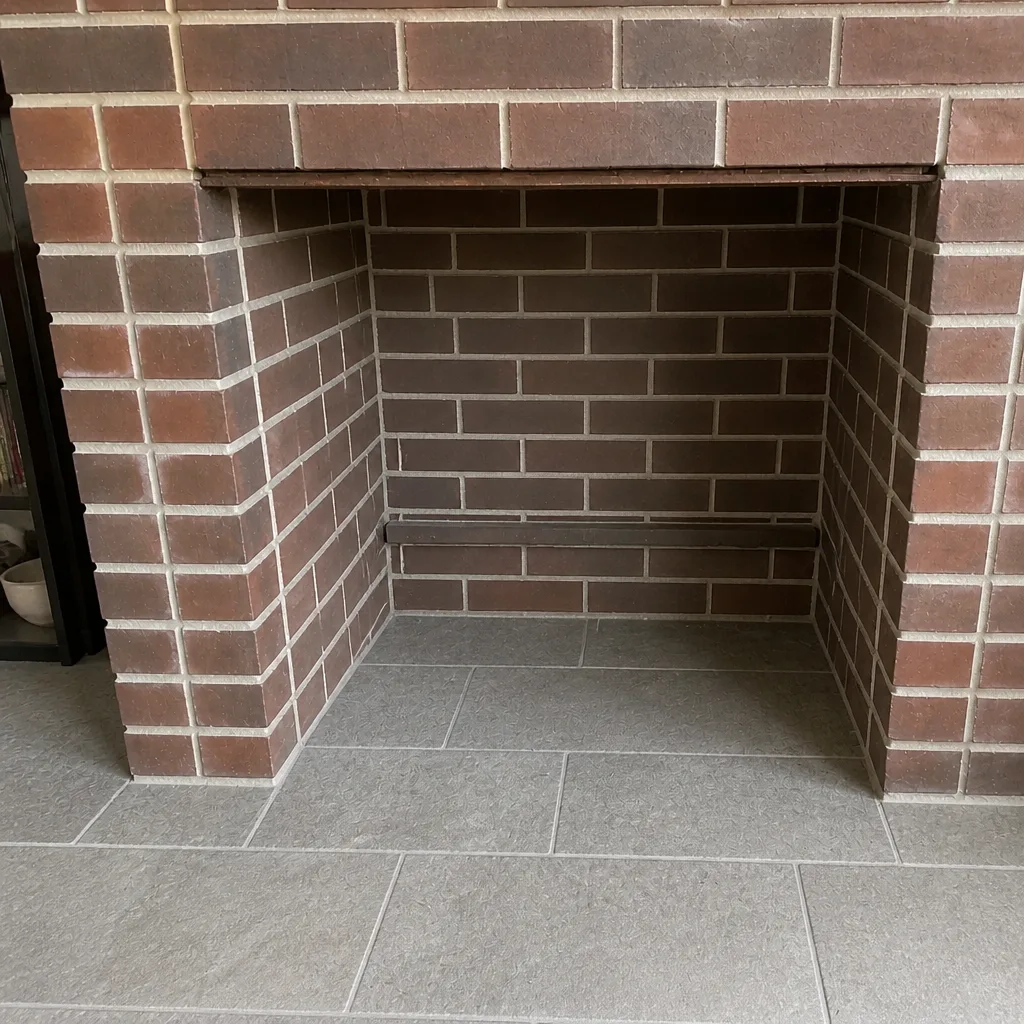
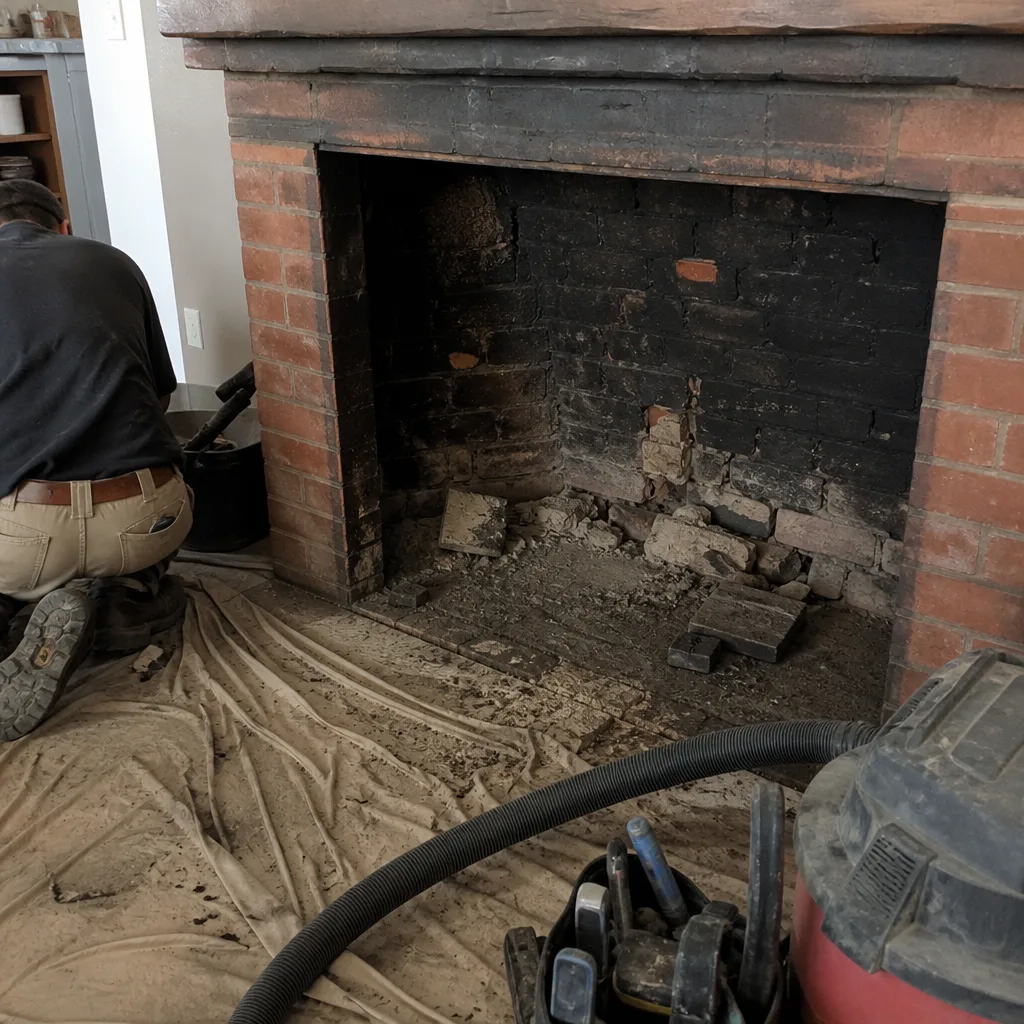
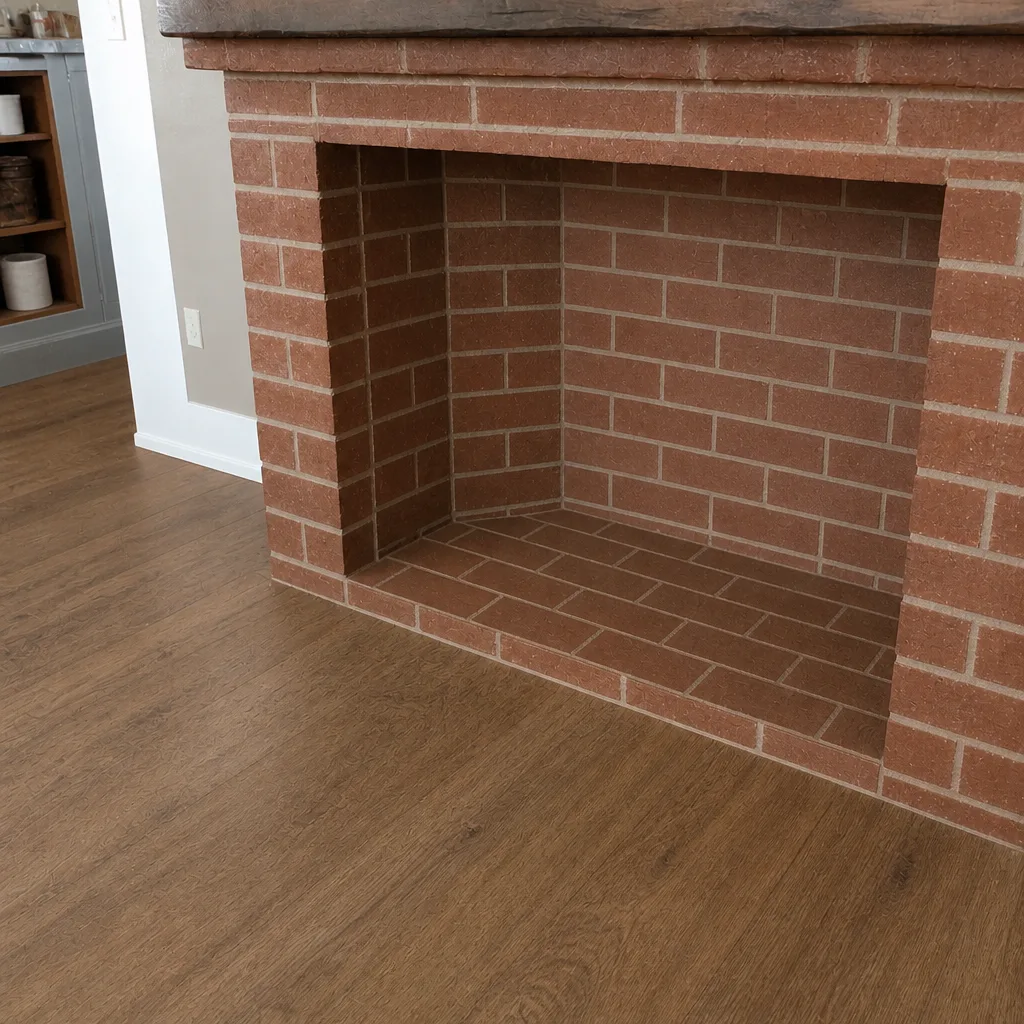
See the difference
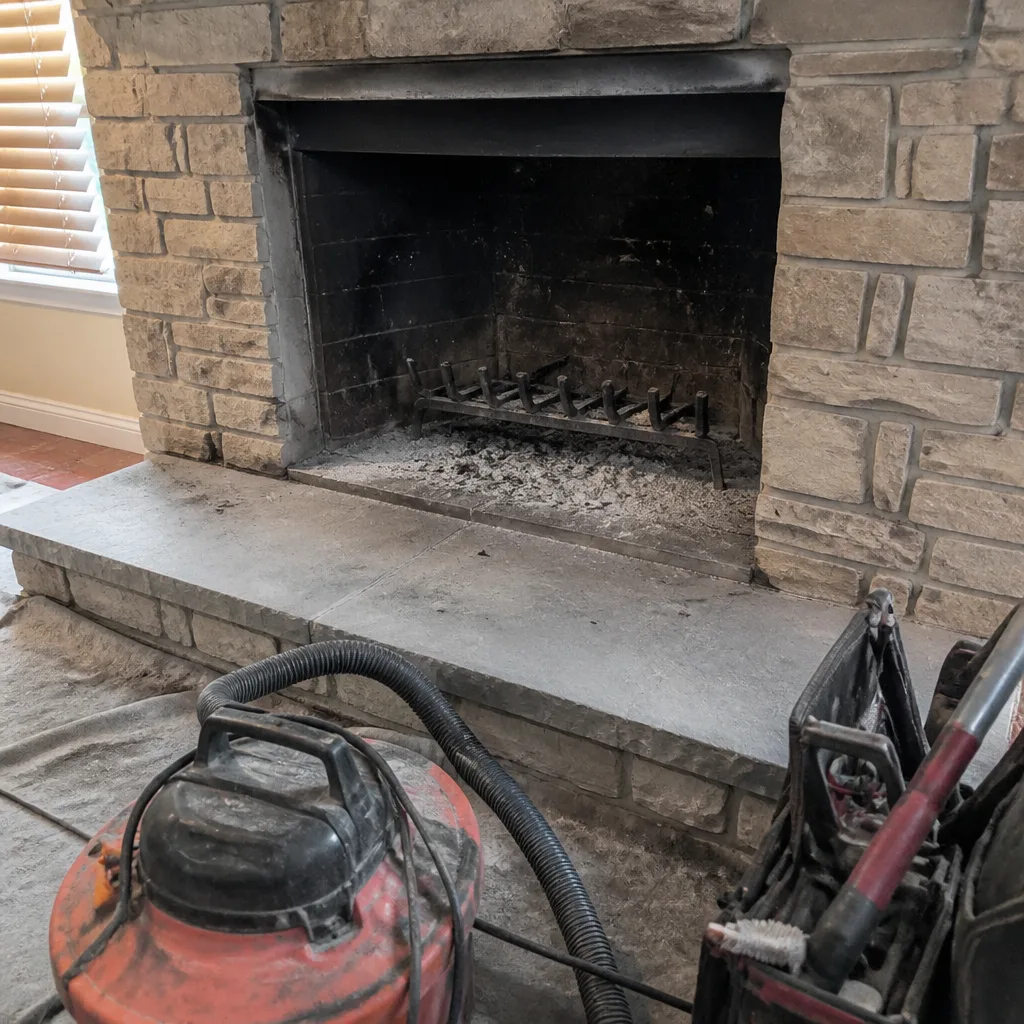 Before
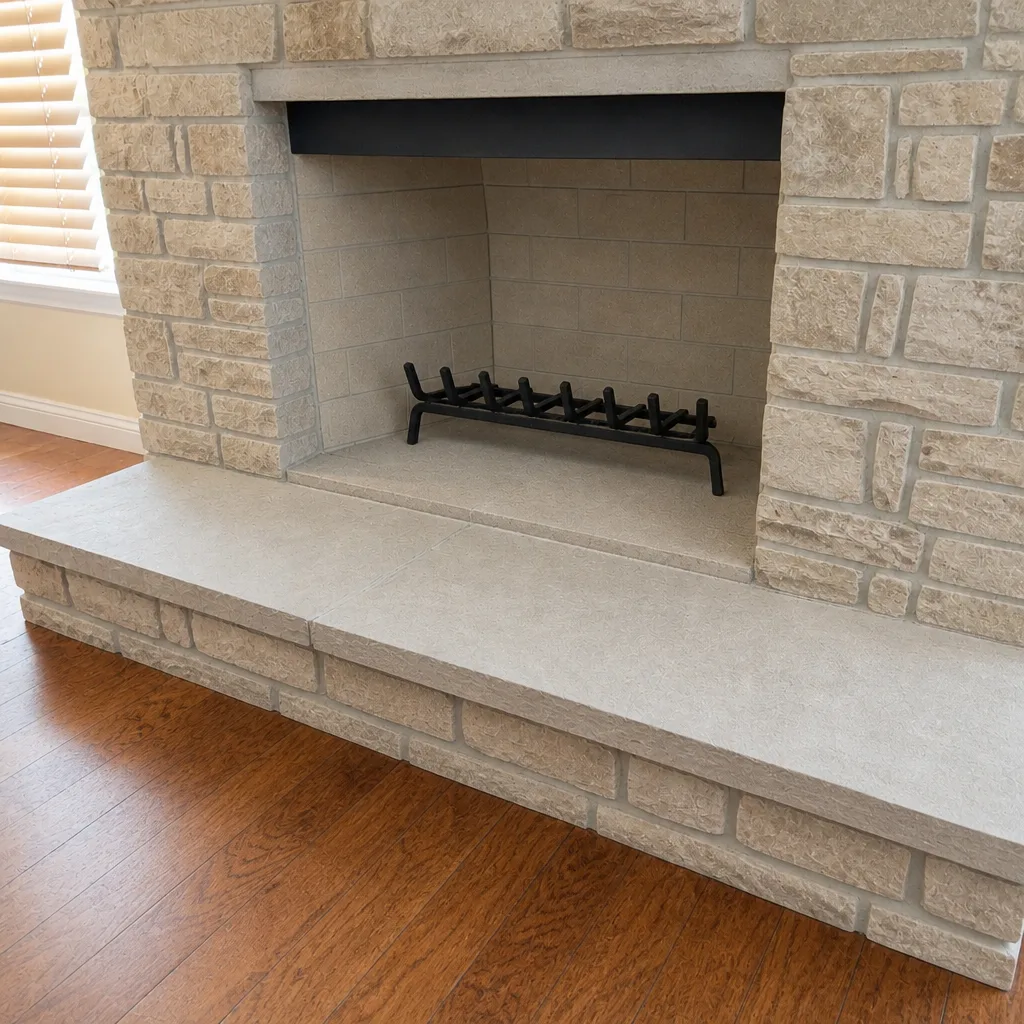 After
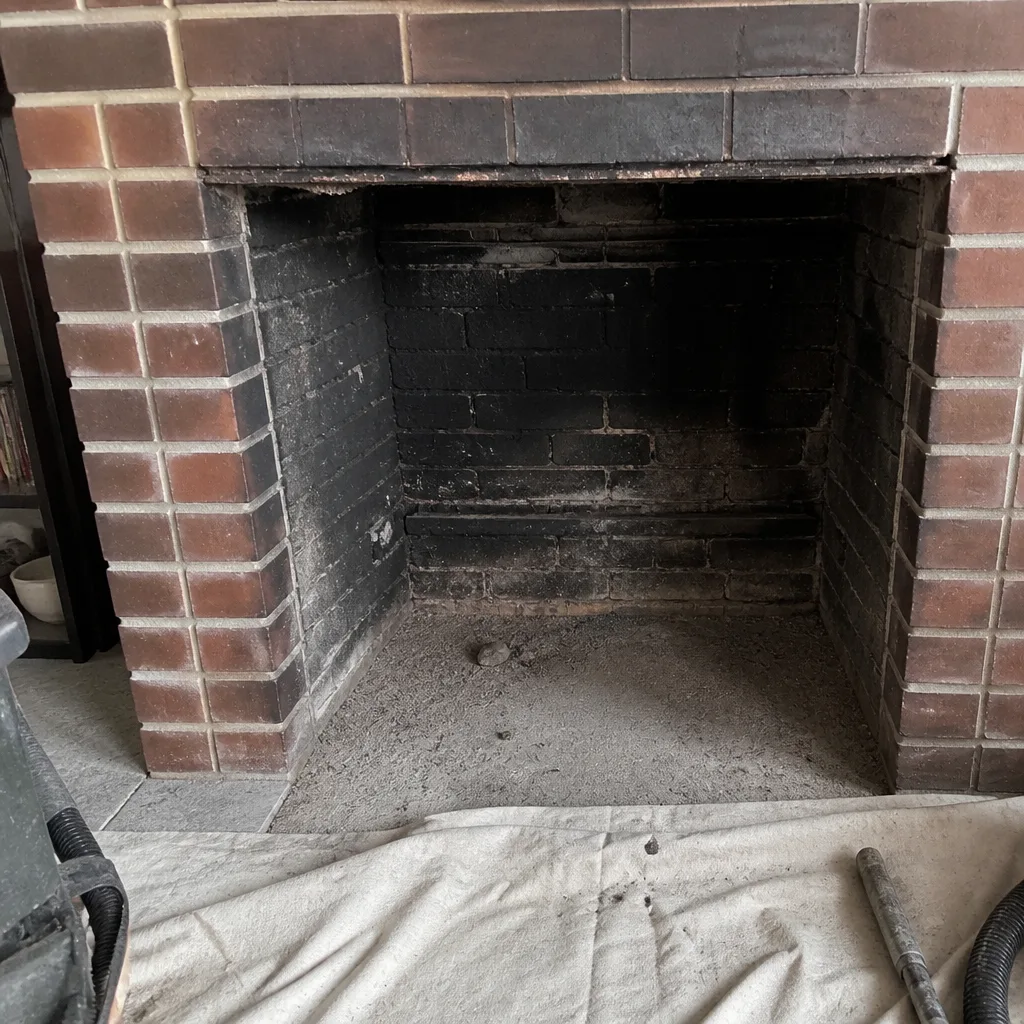 Before
 After
 Before
 After
When to Call a Professional
Some issues are obvious, and some hide inside the flue. Call a professional if your fireplace has gone a season or more without a sweep, if you notice a strong creosote smell, if smoke backs into the room when you burn, if you see cracked or missing mortar around the crown or cap, or if your insurer or home inspector has flagged the chimney. Those aren’t DIY items; a flue interior is a confined space with real fire and carbon monoxide stakes, and the diagnosis belongs to trained eyes and a camera. Chimney Sweep American Fork offers five services under one roof, from sweep to crown, and free estimates in American Fork. Call (833) 513-8116. We answer 24/7. Fast dispatch from 7am to 7pm, Sunday through Friday.
Frequently Asked Questions
A full-service chimney cleaning in American Fork typically runs $180 to $340, including the sweep and a visual inspection, with a video inspection and any needed add-ons priced separately. A basic sweep alone runs about $120 to $200. Your written estimate sets the final price. Call (833) 513-8116 for an exact quote: estimates are free.
Only if the liner is genuinely deteriorated, and you should be shown the camera evidence before deciding. A sound, properly sized liner doesn’t need replacing, and a flue that’s merely worn in spots may be restorable with HeatShield resurfacing rather than a full reline. If no one shows you the footage, ask for it. Call (833) 513-8116 and we’ll walk you through what the inspection actually found.
At least once a year for a wood-burning fireplace, and more often if you burn heavily, per the National Fire Protection Association’s annual inspection guidance. Gas and pellet appliances still need an annual inspection even when less cleaning is involved. When in doubt, the inspection tells you. Call (833) 513-8116 to book one: estimates are free.
Creosote keeps building up, which raises your chimney fire risk, and small cracks in the flue or crown go unnoticed while water and freeze-thaw make them worse. The result is either a safety hazard or a much larger repair bill down the road. A sweep costs far less than the repairs it prevents. Call (833) 513-8116 to schedule before the season.
A proper sweep with HEPA containment doesn’t damage the flue or leave your home dusty, and it’s the standard we hold to. If your chimney has fragile or deteriorating interior surfaces, the inspection identifies that before cleaning begins so the approach can be adjusted. Call (833) 513-8116 with questions about your specific system.
Yes. We offer five distinct services under one roof: sweeping, inspection, chimney repair, fireplace repair, and cap and crown installation, so you have a single point of contact from first inspection through final fit. That continuity cuts down on miscommunication and warranty gaps between contractors. Call (833) 513-8116 to get started with a free estimate.
The Bottom Line
Chimney cleaning cost in American Fork is a range, not a single number, and the range reflects real differences in scope, tools, and what gets documented. A $79 sweep and a $300 full-service visit do different work. The full-service figure of roughly $180 to $340 buys you the sweep, the firebox and smoke chamber cleaning, a visual inspection, a cap and crown check, and often video footage you can keep. Add-on repairs are necessary when the camera shows a real problem and can usually wait when it doesn’t. The annual sweep is the cheapest line item in the whole chimney lifecycle, and it’s what keeps the expensive ones from ever appearing. One specialist, from the firebox to the crown, is the simplest way to stay ahead of it.
Ready to know exactly what’s inside your flue before the season starts? Call (833) 513-8116 for a free estimate from Chimney Sweep American Fork. We answer 24/7. Fast dispatch from 7am to 7pm, Sunday through Friday.
Written by the team at Chimney Sweep American Fork.