
Last updated November 24, 2026
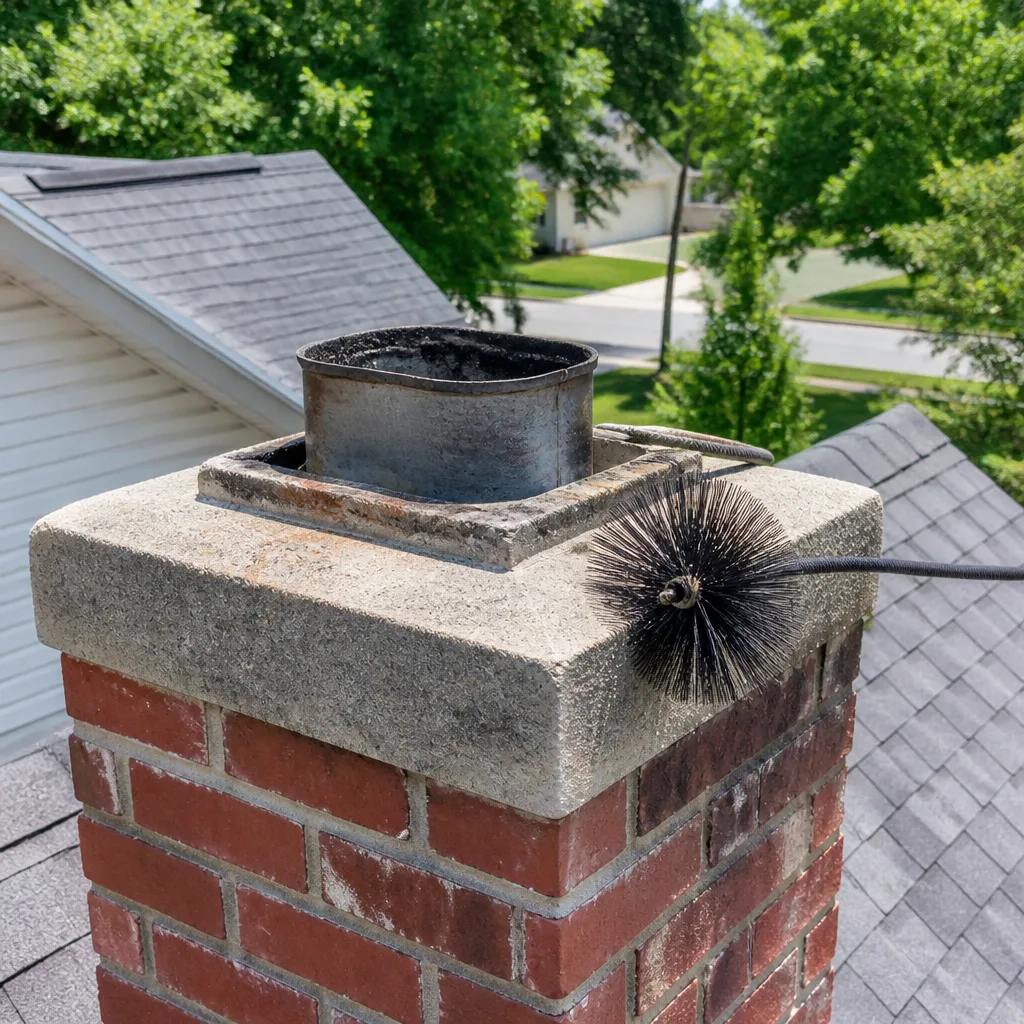 Sweep & inspection
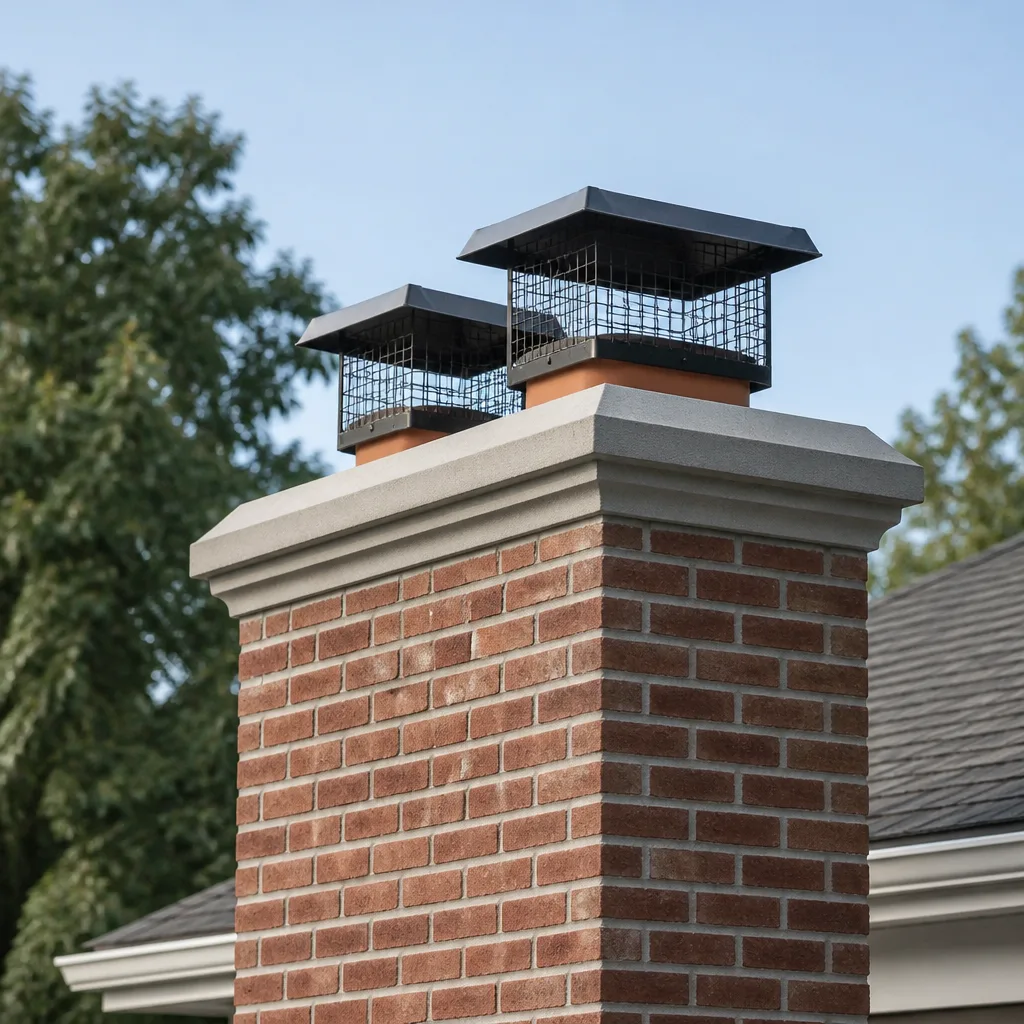 Caps & crowns
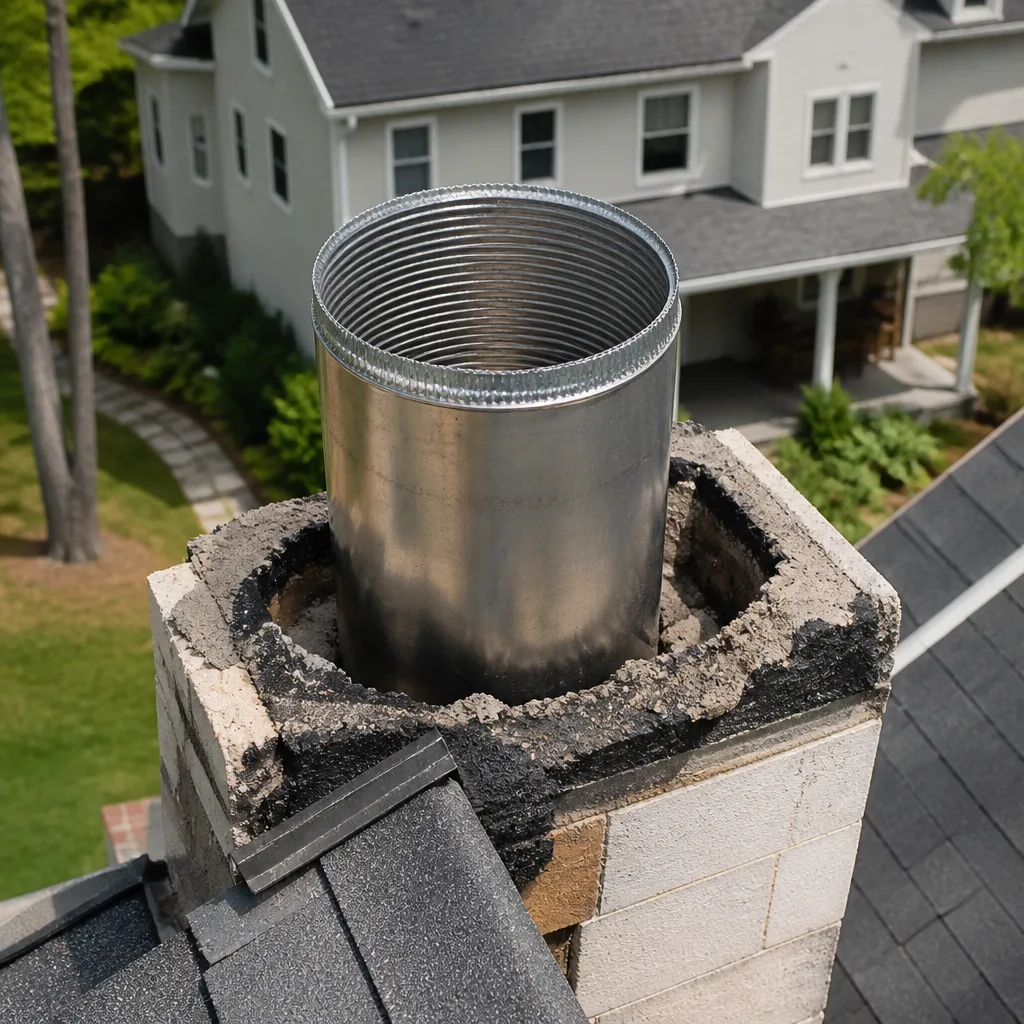 Flue relining
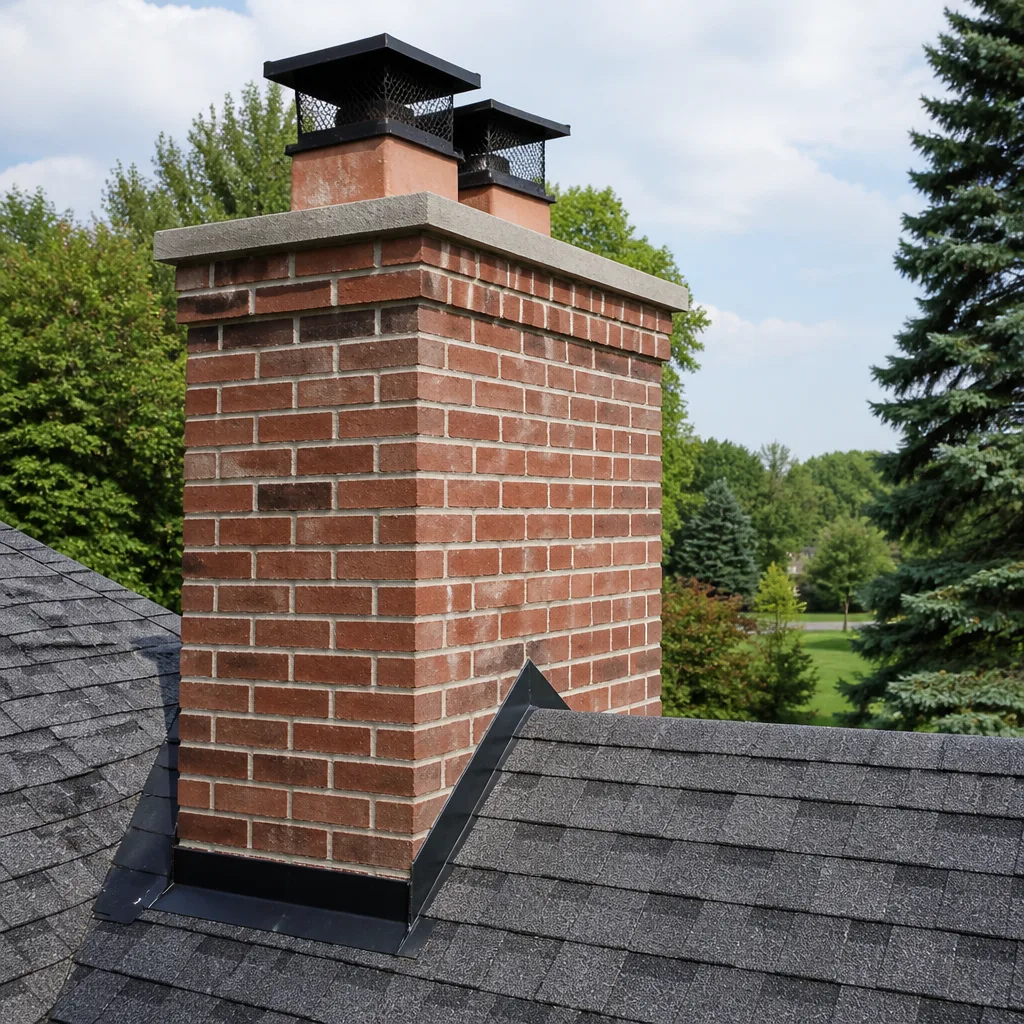 Masonry repair
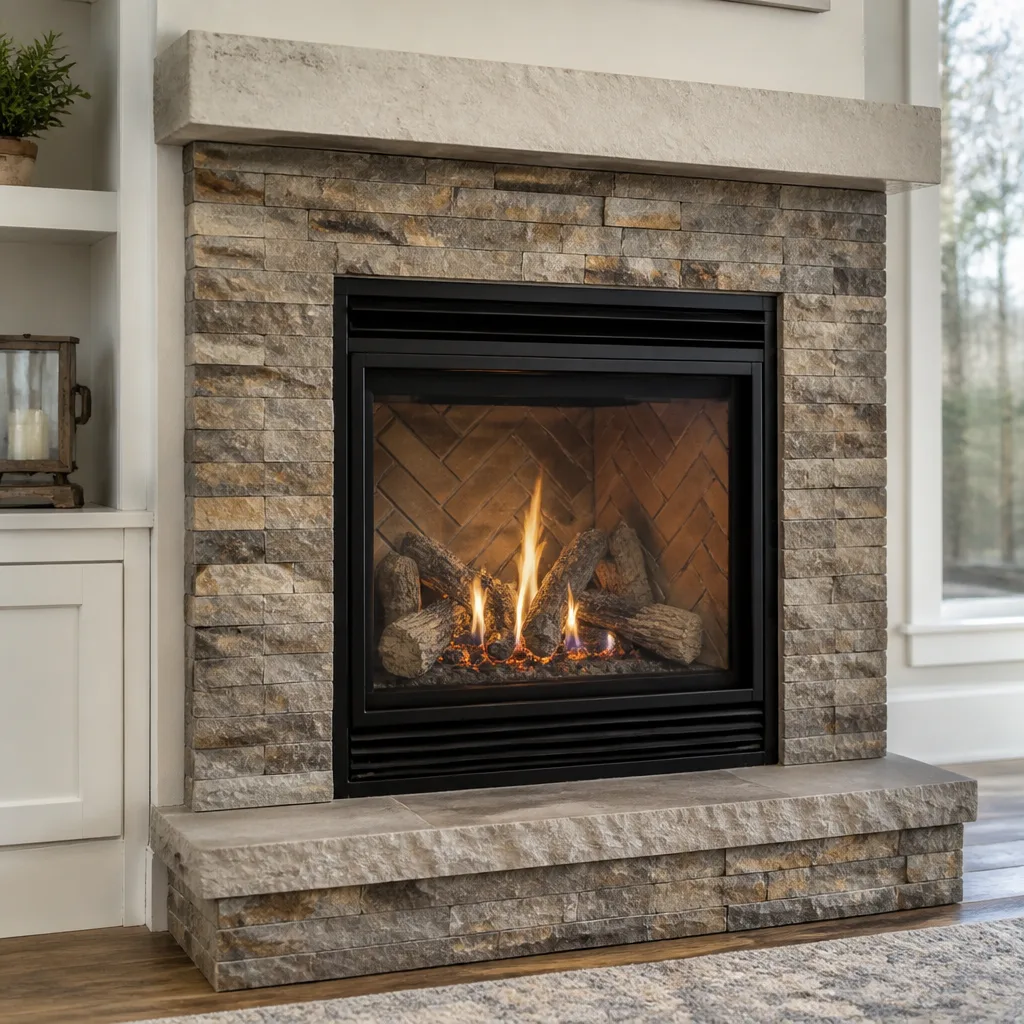 Gas fireplace service
Level 1 sweep and inspection to the NFPA 211 annual standard - flue, crown, cap, and flashing checked and photographed
Chimney sweep logs do not sweep chimneys. They loosen some creosote - which then falls where a brush and vacuum still have to collect it.
DIY vs Professional Chimney Cleaning: The American Fork Homeowner’s Decision Guide
You can buy a chimney brush kit for about $40 and run it through the accessible portion of your flue yourself. Plenty of American Fork homeowners do exactly that every fall, and the flue looks cleaner afterward. But the creosote glaze forming in the connector pipe elbow, the cracked tile liner segment three feet up, and the deteriorating smoke chamber are invisible from the firebox and immune to a standard brush. This guide is an honest breakdown of what you can safely do yourself, what a professional visit actually accomplishes that a brush cannot, where DIY makes real sense, and how to decide for your own home. No scare tactics. Just the specifics.
Quick Answer
For most American Fork homeowners, professional chimney cleaning is worth it because a proper visit is not just a brush in a flue: it’s a cleaning plus a visual inspection of the firebox, smoke chamber, connector pipe and flue liner, and the technician has the rotary equipment to remove glazed creosote that a hand brush physically cannot. DIY cleaning makes legitimate sense in a narrow scenario, mainly an easy-to-reach flue on a wood stove with consistent low-creosote burn habits and a recent professional inspection already on record. Call (833) 513-8116 for a free estimate if you’re unsure which category you fall into.
Styles & brands we work with
- Sweep & inspection
- Caps & crowns
- Flue relining
- Masonry repair
- Gas fireplace service
Table of Contents
- What a Homeowner Can Actually Do Safely
- What a Professional Visit Actually Accomplishes
- Why Rotary Cleaning Removes Creosote a Brush Cannot
- The Insurance and Liability Side of Chimney Cleaning
- Cost Comparison: DIY vs Professional in American Fork
- The One Scenario Where DIY Legitimately Makes Sense
- American Fork Climate, Housing, and Your Chimney
- A Step-by-Step Way to Decide for Your Home
What a Homeowner Can Actually Do Safely
If your flue is straight, short, and easy to reach from the roof, you can do a reasonable job cleaning the accessible section of it with a poly brush and a shop vacuum. That’s a real answer, and ignoring it doesn’t help anyone. A homeowner with a wood-burning fireplace and a simple liner can brush the soot and light fly ash off the flue walls without a special permit in most Utah cities, though it’s always worth confirming any local rule with American Fork’s building department.
What you can reasonably handle yourself:
- Brushing soot and light soot-and-ash deposits off straight accessible flue sections
- Vacuuming out the firebox and the base of the flue after brushing
- Visually checking the firebox brick for obvious cracks from inside the room
- Clearing bird nests and general debris from the top opening when it’s safely reachable from a stable roof position
- Confirming your cap is intact and moisture isn’t getting in
What you should not attempt, in the interest of your own safety:
- Climbing a steep or slippery roof in winter or high wind to reach a flue opening
- Standing inside the firebox or climbing into the smoke chamber to reach the liner
- Using a power tool or any rotating head inside the flue without training on it
- Working around a corroded connector pipe or a liner you suspect has failed
Worth saying plainly: a chimney has no high-tension springs or live electrical, but it does have a confined smoke chamber that can trap carbon monoxide and hold unstable soot, and a fall from a roof is a genuine risk. If your firebox connector or liner condition is unknown, do not put your body inside the chamber. That’s a job for a trained professional.
What a Professional Visit Actually Accomplishes
A professional sweep is a cleaning plus a full-system inspection performed in the same visit. That is the difference most homeowners miss when they compare a $40 brush kit to a sweep quote. The cleaning is necessary; the inspection is what catches the fire hazard before it becomes a fire.
Here’s what a thorough American Fork sweep typically involves:
- Drop cloths and a HEPA vacuum set up at the firebox to keep soot out of the room
- A visual check of the firebox, damper, smoke chamber, connector pipe and flue from the top and bottom where reachable
- Rotary cleaning of the flue to strip soot and any glazed creosote stages
- Cleaning the smoke shelf and the offset where creosote tends to collect
- A camera or mirror check of the liner for cracks, gaps, offset joints and previous damage
- A written or verbal report of the findings and a clear recommendation on what, if anything, needs repair
You should know exactly what’s inside your flue before the season starts. In our experience, the majority of the serious problems we’re asked to fix were not visible from the firebox and were not visible during a homeowner brush cleaning. A cracked liner tile, a smoke chamber with failing mortar, and a gap at an offset all sit behind angles a hand brush cannot light up or see. A camera inspection and a trained eye are what turn a cleaning into actual protection. Skipping the inspection doesn’t mean there’s nothing wrong; it just means you don’t know yet. When you’re ready for that full check, a chimney sweep is where it starts.
Why Rotary Cleaning Removes Creosote a Brush Cannot
Creosote forms in stages, and only the earliest stage comes off easily. Stage one is sooty, flaky and vacuums up. Stage two is a gummy or hard black deposit that partially sticks. Stage three is a glazed, hard, tar-like shell fused to the liner. A standard hand brush will knock down stage one and can lift some stage two. Stage three it cannot touch. That is the layer that fuels a chimney fire, and it’s the layer every professional visit is built to remove.
Professional rotary cleaning uses a powered spinning head, often with chains or stiff rods, run down the flue under controlled speed. The mechanical energy peels glazed tar off the liner wall in a way that a hand-pushed brush simply cannot match. Some setups pair the rotary head with a camera so the technician can see where the glazing is heaviest and dial in the cleaning on those sections. That combination is what gets a heavily used flue back to a clean, safe state.
Where it gets more interesting is the liner itself. If the liner is old, cracked, or has spalled from years of heat cycling, rotary cleaning alone won’t solve it. That is where resurfacing comes in. We’re set up to apply HeatShield liner resurfacing, which restores a deteriorating flue liner from the inside and can often save a chimney that would otherwise need a full reline. It’s a specialized restoration technique most general handymen are not trained or equipped to apply, and it’s part of why we treat a sweep as the entry point to the whole chimney, from the firebox to the crown.
The Insurance and Liability Side of Chimney Cleaning
Fire claims involving a chimney are usually examined closely, and one of the first things an adjuster asks for is service records. If a house fire traces back to a chimney, and the homeowner cannot produce any evidence that the chimney was professionally inspected or cleaned, the claim process can get complicated. This is not about insurance companies being difficult. It’s about a documented maintenance trail distinguishing a well-kept home from one where a hazard was left alone.
What a professional record actually does for you:
- Creates a dated record of cleaning and inspection on file with your service provider
- Documents the condition of the liner, smoke chamber and crown at the time of the visit
- Shows a pattern of routine care if a claim ever is filed
- Provides a paper trail if a problem identified at inspection was recommended and then addressed
The liability question runs the same direction. If you clean your flue yourself and a hidden liner crack goes unnoticed, no record exists to show the condition at any point in time. If you hire a professional and something is later found, the inspection report says exactly what was observed and when. That difference matters most in the case a homeowner dreads: the loss event. A professional service record is a low-cost document to have on hand the day you need it.
If an inspector or an insurance carrier has already told you your chimney needs attention, don’t try to self-diagnose it. That’s the exact moment to bring in a specialist who can confirm what was flagged, document it, and plan the repair. A failed liner or a cracked crown is a chimney repair matter, and a small water leak today is a masonry rebuild tomorrow if it’s ignored.
Cost Comparison: DIY vs Professional in American Fork
The honest cost comparison isn’t $40 versus a sweep invoice. It’s the total cost of doing it yourself, including equipment, your time, and the probability of missing something that later requires a repair. Here’s how the economics land for a typical American Fork homeowner.
| Line item | DIY | Professional |
|---|---|---|
| Brush kit and rods | Roughly $40-$100 for a usable kit | Not applicable |
| Shop vacuum or HEPA vacuum for soot | Often $80-$200 if you don’t already own one | Included |
| Roof access, ladder, drop cloths | Homeowner’s own risk and equipment | Included |
| Time required | A half-day plus cleanup for most homeowners | A booked visit |
| Inspection | Visual only, from limited angles | Full visual plus camera inspection of the liner and smoke chamber |
| Glazed creosote removal | Not possible with a hand brush | Rotary cleaning, included where needed |
| Written record | None | Documented findings and recommendations |
| Typical chimney sweep cost | Not applicable | Quoted per job by a written estimate |
The DIY route looks cheap on paper. But the numbers change the moment a hidden liner crack that a brush could not see turns into a chimney repair bill, or a glazed flue needs relining because stage three creosote was never removed. A crown that was sealed early is inexpensive. A cracked crown that lets water into masonry is not. The same logic applies to the flue. Paying to fix a small problem today is far less than paying for a rebuild after a season or two of water intrusion.
Call (833) 513-8116 for a free estimate if you want a price for your specific chimney rather than a range. Estimates here are free, and the final price is set by the written estimate after the technician sees what’s involved.
The One Scenario Where DIY Legitimately Makes Sense
There is a real case for DIY cleaning, and it’s narrower than most homeowners assume. If your chimney meets all of the following conditions, self-cleaning the flue is reasonable and you’ll save the sweep cost without putting yourself at risk:
- The fireplace or wood stove has a straight flue with one easy offset and no glazed creosote visible on the walls from the top opening
- A professional inspection has been done recently and confirmed the liner, smoke chamber and crown are in good shape
- The wood being burned is well seasoned and the burn habits are consistent and hot, which keeps creosote accumulation low
- The roof access is genuinely safe: gentle pitch, dry day, easy footholds, and a flue opening you can reach without leaning
- You can look inside the firebox, connector pipe and top of the flue afterward and confirm nothing looks off
If any of those conditions fails, even one, the DIY cleaning becomes a partial job. The most common failure is condition two: a homeowner who did clean their own flue last year and now believes the chimney is in good shape because nothing bad happened. That’s not the same as knowing the liner is intact. The cleaning and the inspection are different things, and only the inspection confirms the chimney is safe. If you’ve burned heavily for a season, or your wood has been wet, or you’ve noticed a strong creosote smell, DIY cleaning alone is not going to be enough. That’s when a proper chimney sweep is worth booking.
American Fork Climate, Housing, and Your Chimney
American Fork’s climate puts a real load on a chimney. Cold winters mean more burning days than much of the country, and the swing between a hot flue and cold outside air is exactly the condition that drives creosote condensation on the liner walls. A wood-burning home here can build up creosote faster than the same home in a milder climate. Add in the lake-effect humidity of the valley and the freeze-thaw cycle that plays out over a Utah winter, and the crown and masonry joints on an American Fork home do more expanding and contracting than they’d like.
The housing mix matters too. American Fork has a broad range of home ages, from newer builds with modern factory chimney systems to older homes with masonry chimneys that predate today’s liner standards. The older masonry chimneys are the ones where a chimney repair is most often needed and where the smoke chamber is most likely to have never been properly transitioned. Newer factory chimneys aren’t immune; they still need routine inspection to confirm the liner joints and the cap are intact.
One practical note: the two weeks before the first cold snap are the busiest weeks of the chimney season here. Homeowners in American Fork who want their flue checked before burning season should book early. The urgency in chimney care is seasonal, not hourly. There’s no reason to wait until the first cold night to find out your liner is cracked.
A Step-by-Step Way to Decide for Your Home
Here’s the decision process we’d walk any homeowner through, in order, to land on the right answer:
- Honest self-check on roof access. Can you reach your chimney top safely on a dry day with the equipment you already have? If no, the DIY path is out.
- Look at burn habits. Do you burn mostly well-seasoned wood, or do you mix in wet or green wood and burn low and slow? Low, slow, smoldering fires build glazed creosote the DIY brush can’t remove.
- Check the last professional inspection. Do you have a record of one in the past year or two? No record means no confirmation of the liner’s condition, and that’s the case for a professional visit.
- Look for warning signs. A strong creosote smell, slow draft, smoke rolling into the room, visible cracks in the firebox or a stained ceiling above the firebox all point to a professional check.
- Weigh the liability question. If a fire claim is ever in play, do you want a service record on file? If yes, a professional sweep is the simplest way to have one.
- Budget for the inspection, not just the cleaning. A professional visit includes the inspection. A DIY brush session does not. Decide accordingly.
If you land on the professional side, that visit will often connect to other services on the same call, which is one of the genuine advantages of a specialist. A sweep that turns up a failing liner is a HeatShield resurfacing or a DuraFlex reline. A sweep that turns up water damage at the top of the flue is a chimney repair on the cap and crown. A fireplace that hasn’t drafted well for a season is fireplace repair. One crew, one call, and no gap in the warranty between one contractor’s work and the next.
Common Mistakes to Avoid
- Treating the brush cleaning as the inspection. Running a brush through a flue and calling it done means no one has looked at the liner, smoke chamber, or crown. The cleaning is a hygiene task; the inspection is a safety task.
- Using wet or green wood to save on cord cost. The cost gets paid later as glazed creosote that a DIY brush can’t remove. Seasoned wood is the cheapest chimney insurance there is.
- Cleaning the flue but ignoring the cap and crown. A cracked crown lets water into the masonry, and in American Fork’s freeze-thaw swings that water expands inside the joints each winter. A small crown repair done early is far less than a rebuild done late.
- Believing the flue is fine because nothing bad has happened. Safe behavior and safe condition are different things. A hidden liner crack only announces itself when there’s heat behind it.
- Cleaning only the firebox and not the smoke chamber. The smoke chamber is the space just above the damper, and it’s one of the most common spots for serious creosote buildup. A brush never reaches it.
- Not keeping records. A homeowner who cleans their own flue has nothing to show an inspector, an adjuster, or a future buyer. A professional visit produces documentation you can hand to any of them.
- Calling a handyman for a chimney problem. Chimney work has its own tools, its own materials, and its own set of building code rules. A generalist’s patchwork is often the reason a chimney repair gets done twice.
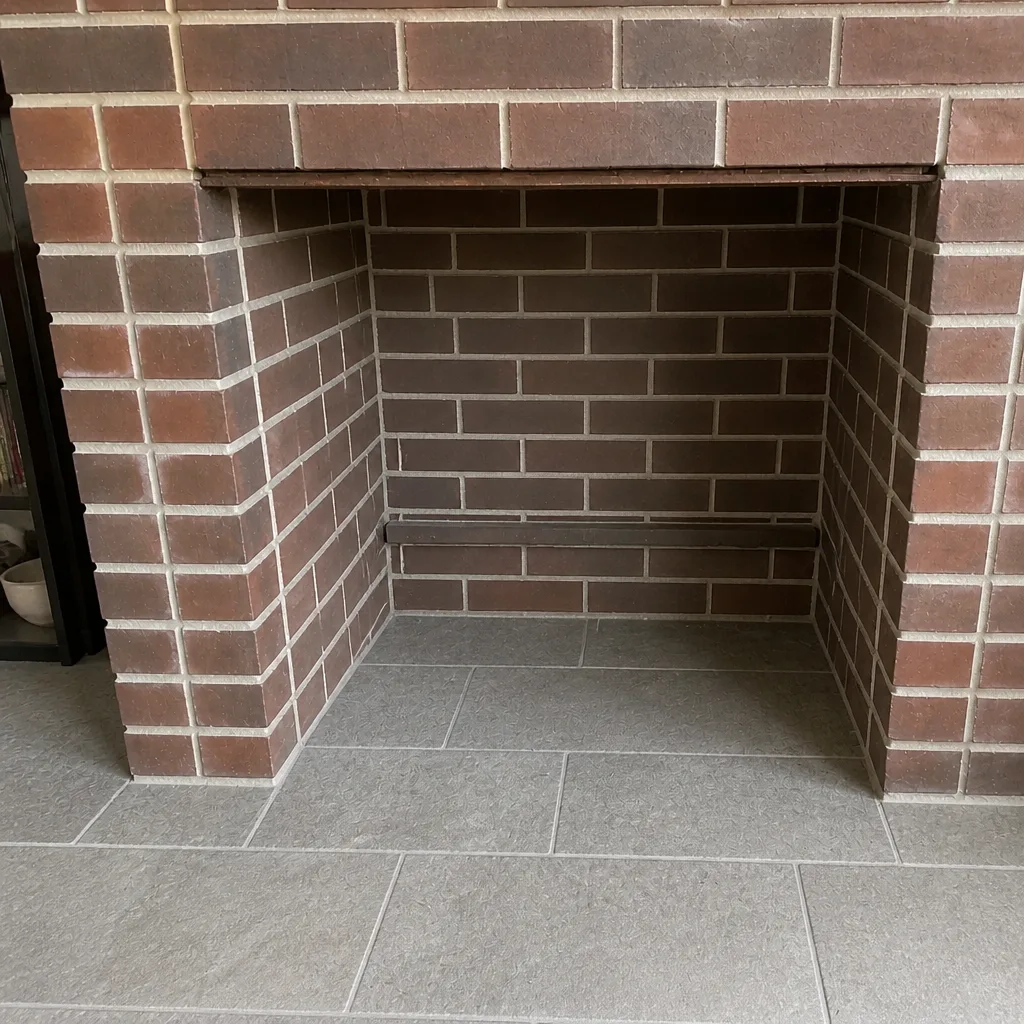
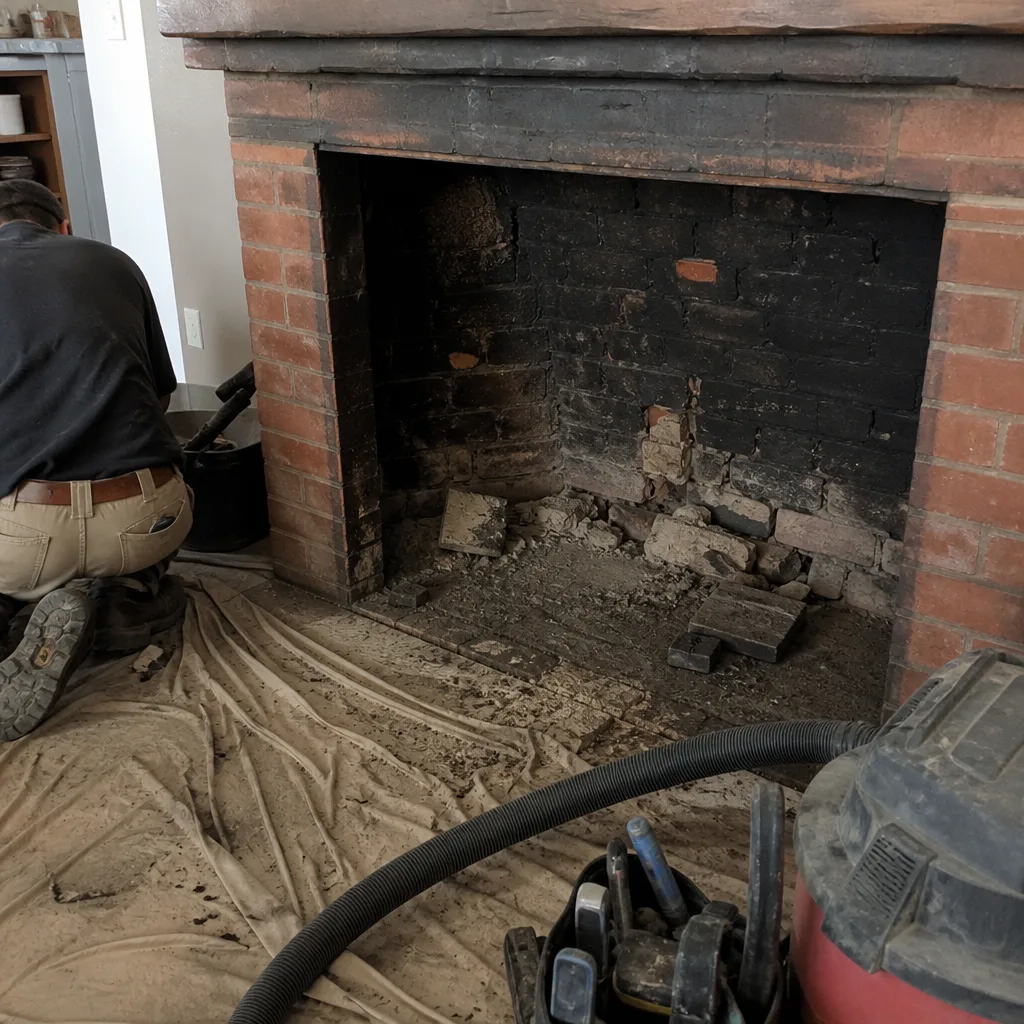
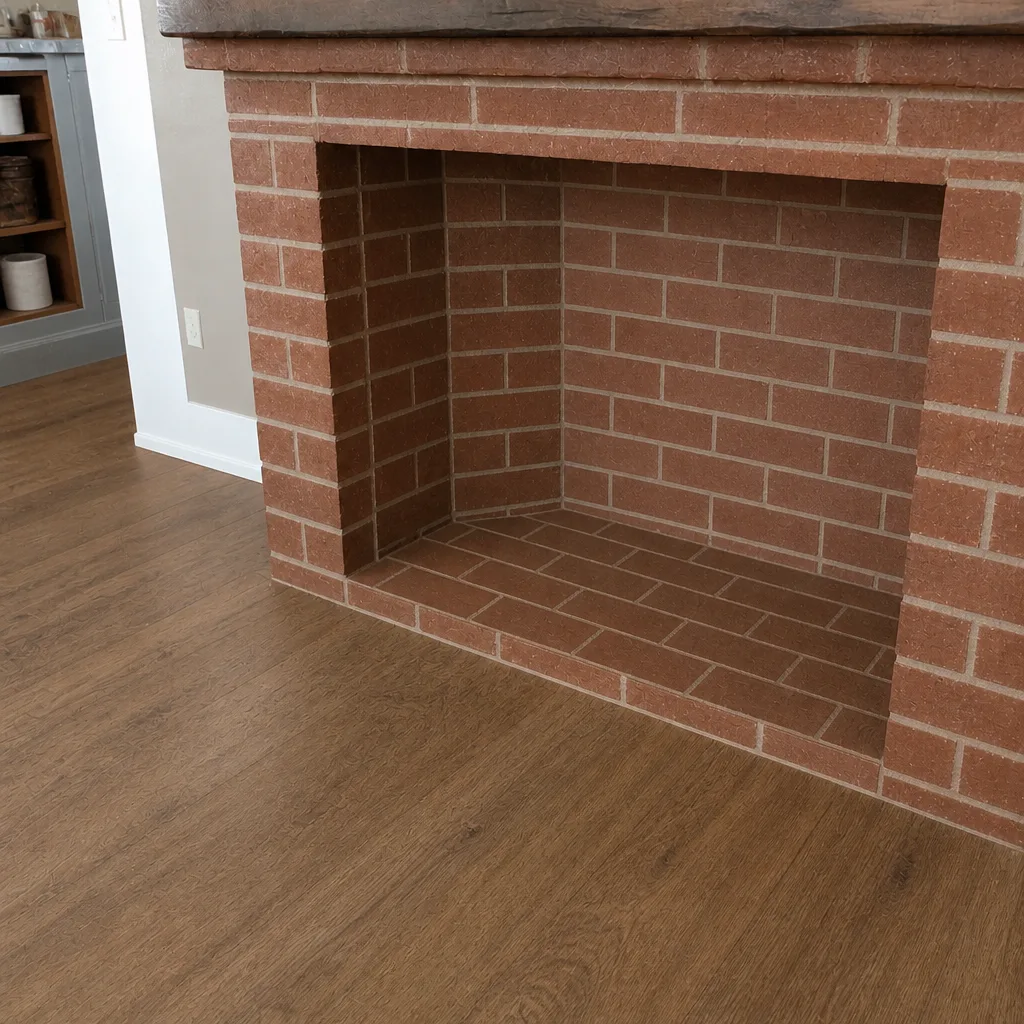
See the difference
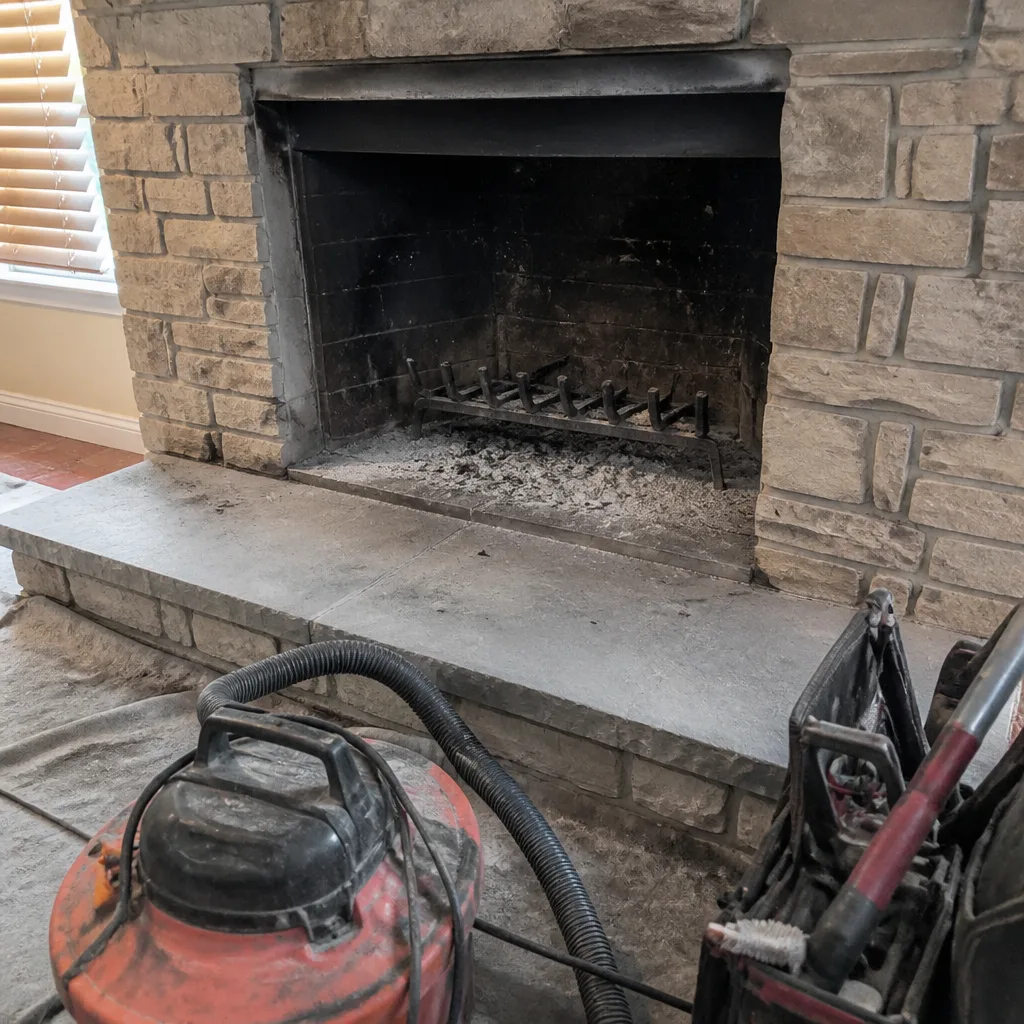 Before
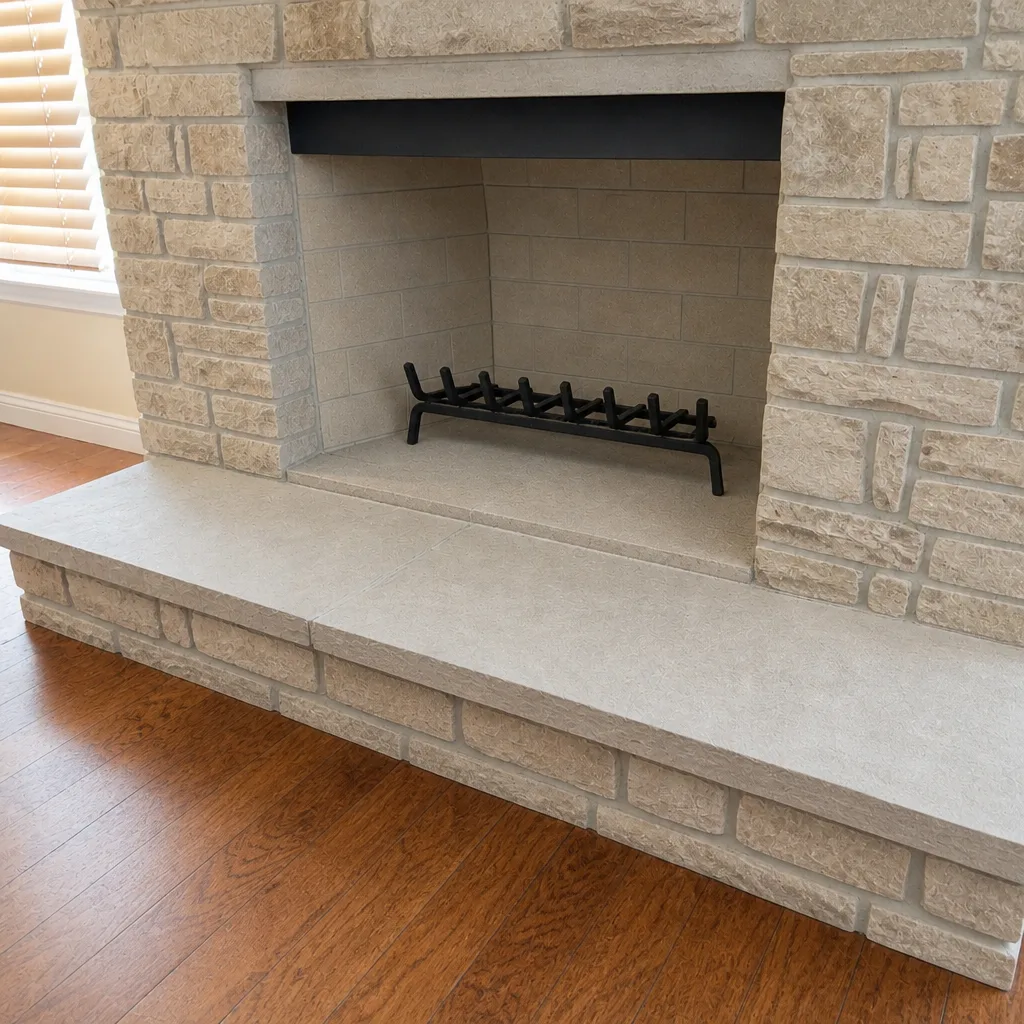 After
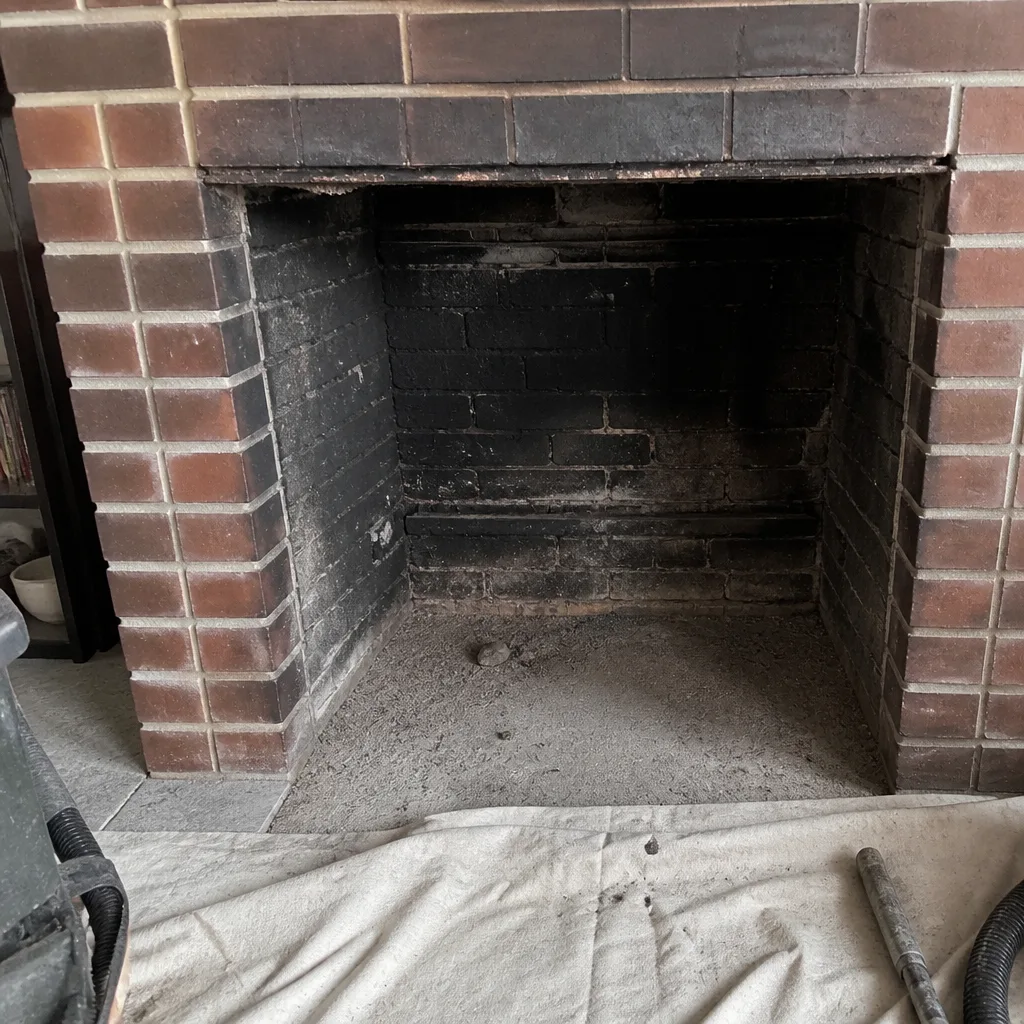 Before
 After
 Before
 After
When to Call a Professional
Call a professional for any chimney work that involves glazed creosote, a suspected or confirmed liner defect, a smoke chamber you can’t reach, or any roof access you’d describe as awkward. Call before the first burn of the season if the chimney hasn’t been inspected in a year or more. Call if a home inspector or an insurance carrier has flagged the chimney. Call if the firebox, connector pipe, crown or cap looks damaged. And call if any of the warning signs from the “Step-by-Step Way to Decide” list above ring true. Chimney Sweep American Fork offers free estimates in American Fork – call (833) 513-8116. A technician comes out, looks at the whole system from the firebox to the crown, and puts the price in writing before any work starts.
Frequently Asked Questions
A chimney sweep in American Fork is priced per job by a written estimate, because the price depends on the flue layout, the level of creosote, and whether the visit needs a camera inspection or any repair work. Call (833) 513-8116 and we’ll give you an exact quote – estimates are free.
You only need a new liner if the inspection shows one is actually failing, and the findings should be shown to you on camera before any recommendation is made. A cracked, spalled, or offset liner is a real hazard. A liner that looks sound is not, and we say so plainly. In many cases HeatShield resurfacing can restore a deteriorating liner without a full reline. Call (833) 513-8116 to see exactly what’s inside your flue.
A wood-burning chimney should be swept and inspected once a year for most households, and more often if you burn heavily or your wood is not well seasoned. Gas fireplaces still need an annual inspection of the venting, even though they don’t build up creosote the way wood does. Call (833) 513-8116 to book a visit before the season starts.
You can clean the accessible section of a straight flue yourself, but that does not replace the inspection that a professional visit includes, and a hand brush cannot remove glazed creosote. DIY makes sense only when a professional has recently confirmed the liner and smoke chamber are in good shape and your burn habits are consistent. Call (833) 513-8116 if you’re not sure which category applies.
Skipping a sweep leaves creosote and any developing damage in place, and a chimney fire can follow from a heavy enough buildup. Less dramatically, small issues like a cracked crown or a hairline liner crack can quietly worsen through a Utah winter. Neither outcome is certain, and neither is something to gamble on. Call (833) 513-8116 for a free estimate.
A professional visit can address the whole system, from the firebox to the crown, so a sweep can connect to fireplace repair or a cap and crown install on the same service call. That continuity is one advantage a chimney specialist has over a general handyman. Call (833) 513-8116 to plan the visit.
The Bottom Line
DIY chimney cleaning makes sense in a narrow set of conditions: a straight, accessible flue, a recent professional inspection confirming the liner and smoke chamber are sound, well-seasoned wood, and consistent hot burns. For everyone else in American Fork, the $40 brush kit is not the equivalent of a professional visit. A proper sweep is a cleaning plus a camera inspection, performed by a technician equipped to remove glazed creosote a hand brush can’t touch. That’s the layer that actually matters for chimney fire risk. Call (833) 513-8116 for a free estimate. We answer 24/7. Fast dispatch from 7am to 7pm, Sunday through Friday. Our technicians have up to 9 years of experience, and every visit is priced by a written estimate before the work begins.
Written by the team at Chimney Sweep American Fork.