
Last updated November 24, 2026
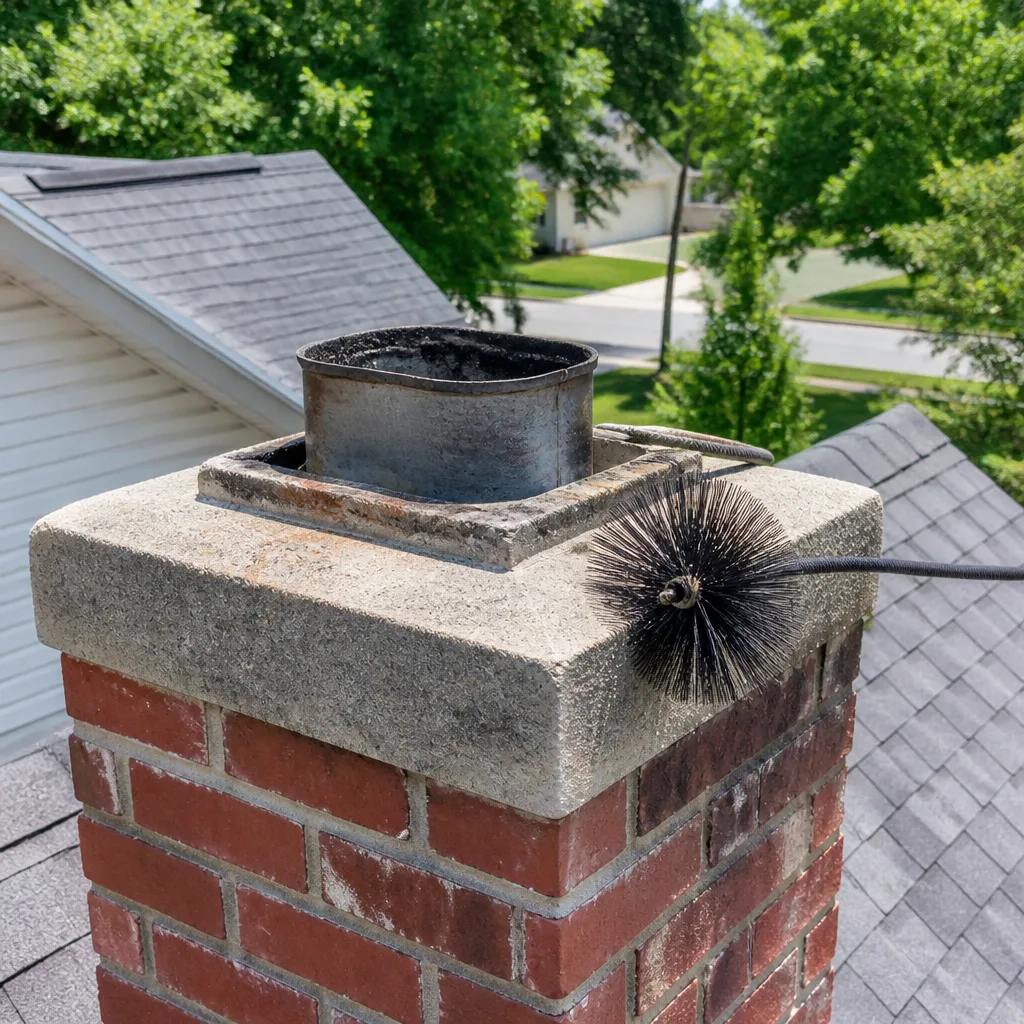 Sweep & inspection
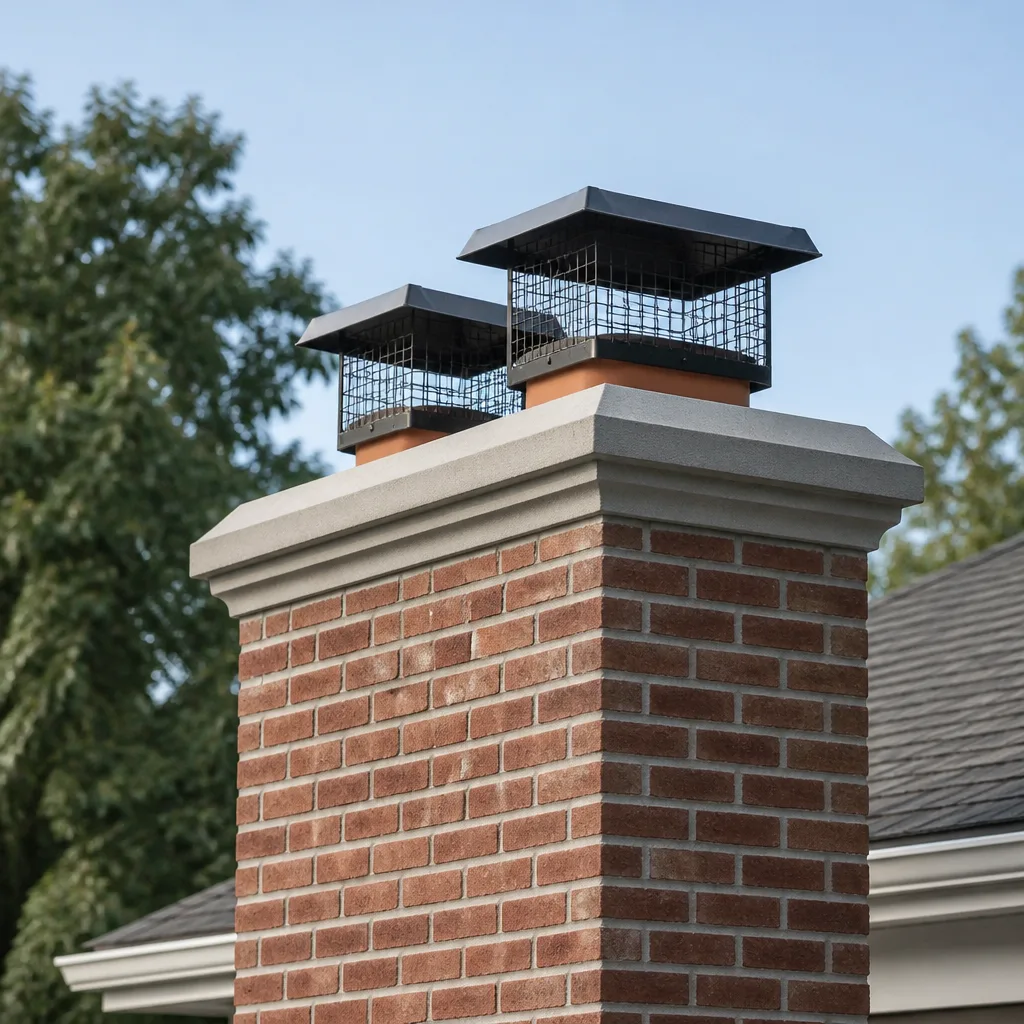 Caps & crowns
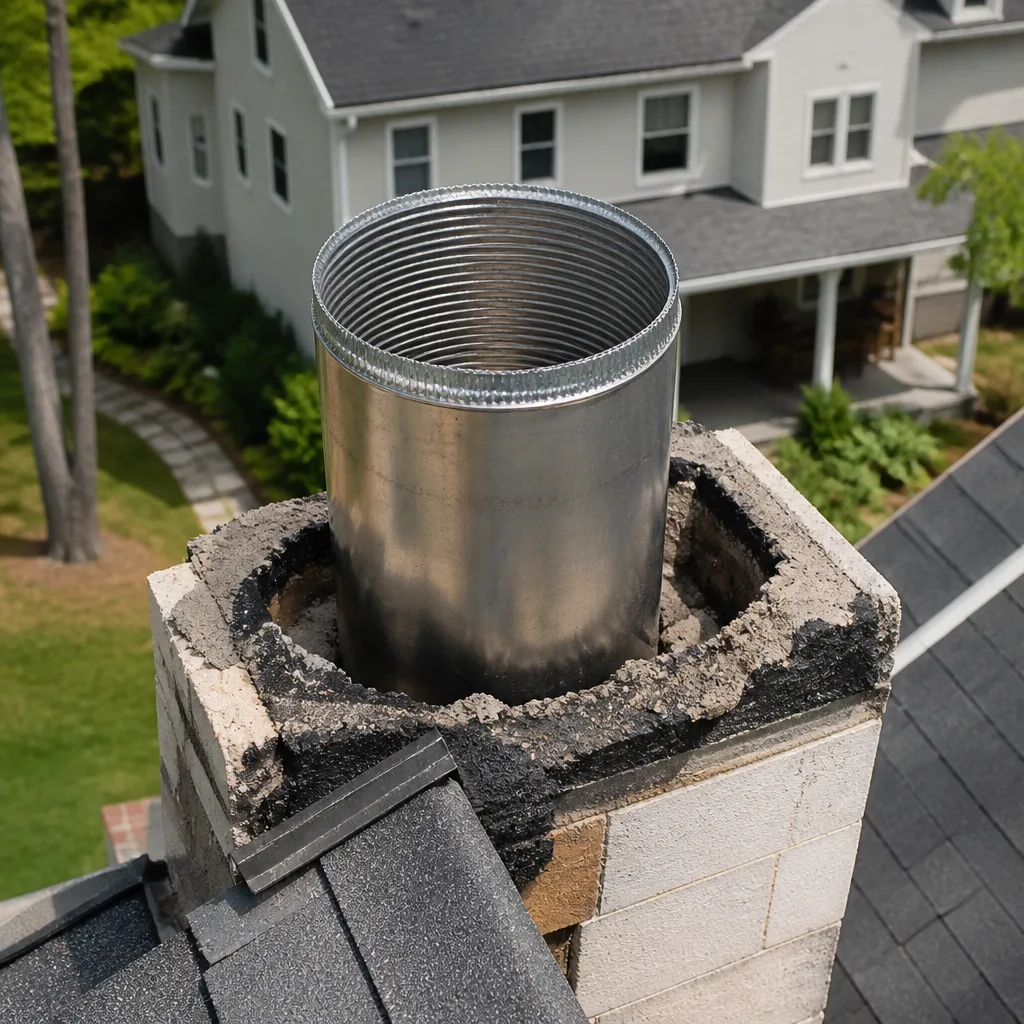 Flue relining
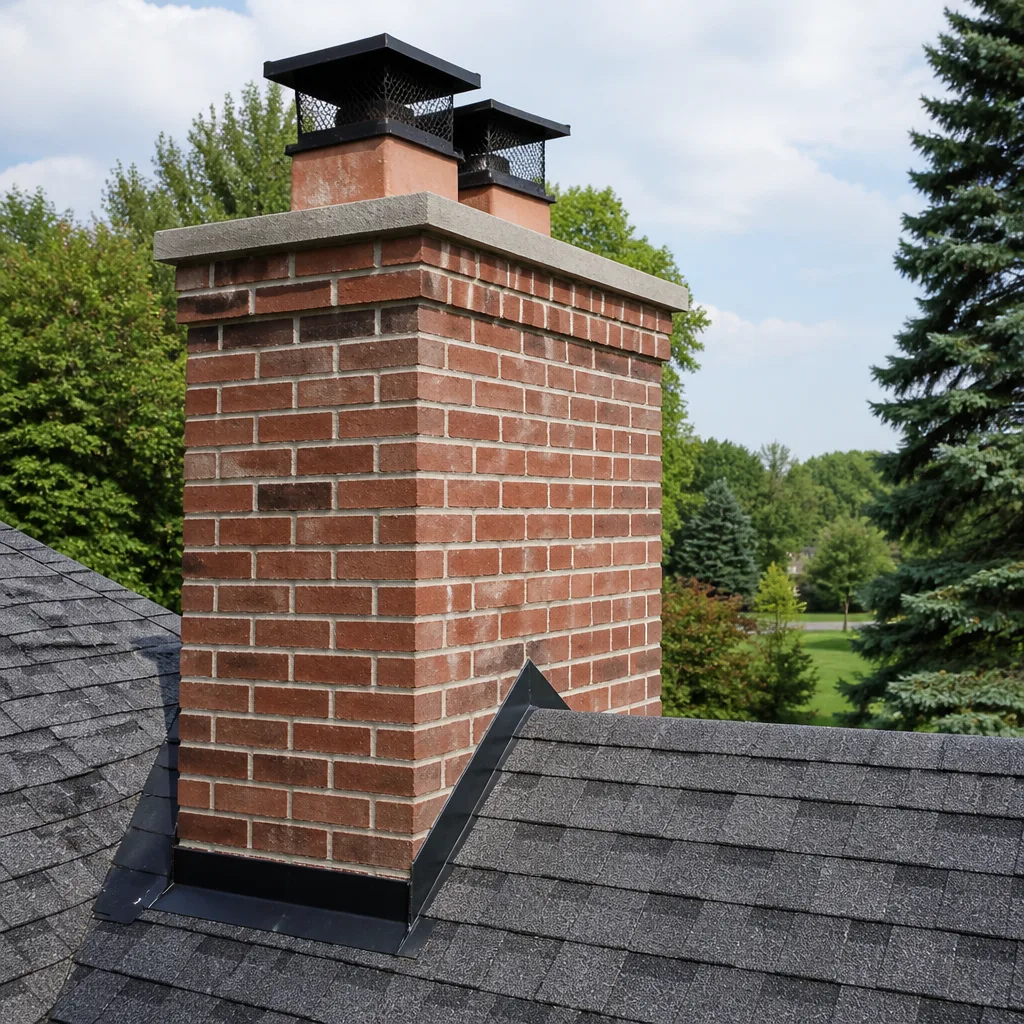 Masonry repair
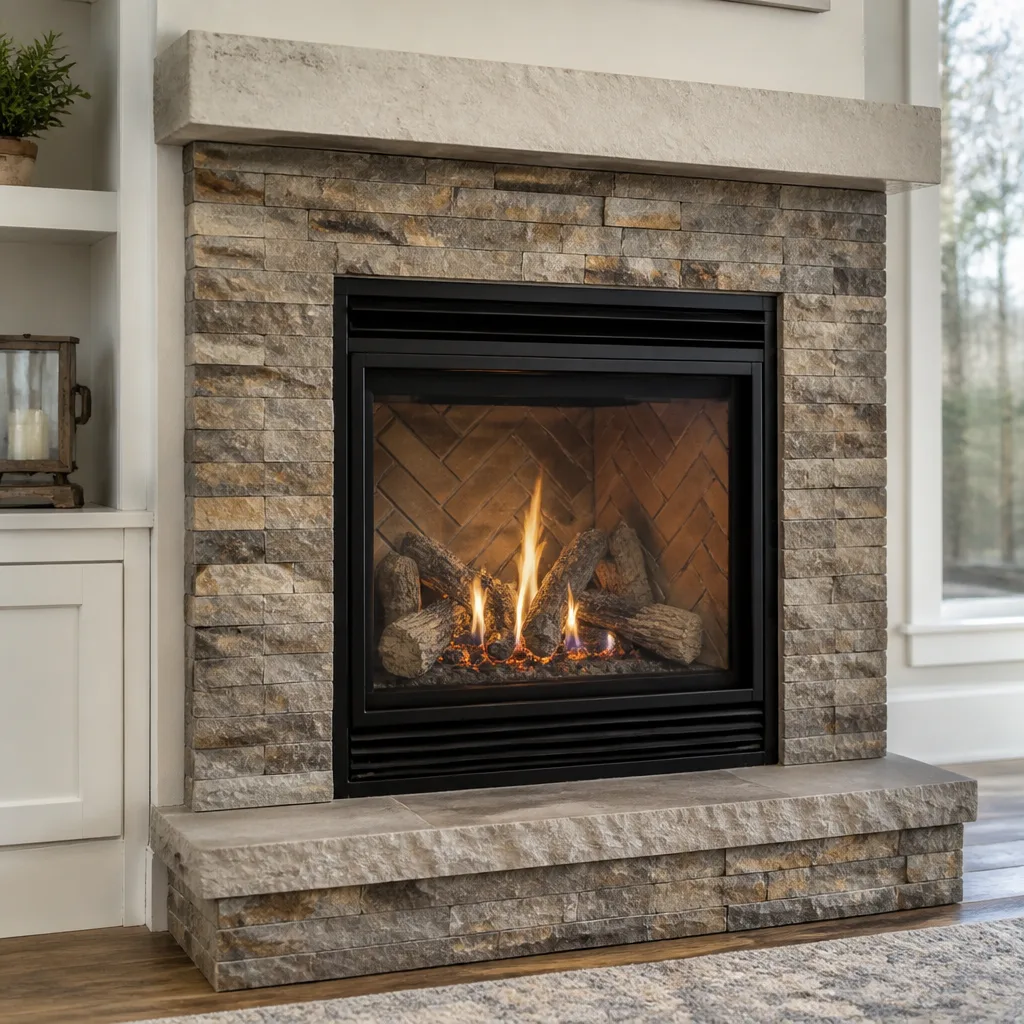 Gas fireplace service
Level 1 sweep and inspection to the NFPA 211 annual standard - flue, crown, cap, and flashing checked and photographed
Chimney sweep logs do not sweep chimneys. They loosen some creosote - which then falls where a brush and vacuum still have to collect it.
Chimney Cleaning Warning Signs: An American Fork Homeowner’s Reference Guide
A white stain running down your chimney’s exterior brick isn’t a cosmetic issue. It’s efflorescence, and it’s telling you that water is already moving through your masonry from the inside out. That’s the thing most American Fork homeowners get wrong about chimney warning signs: they wait for something dramatic, like smoke rolling into the living room, when the earliest and most useful signals are quiet ones. A chalky bloom on the brick. A fire that’s suddenly fussy about lighting. A smell that lingers a day after the last burn. This guide walks through what each visible, audible, and olfactory sign actually indicates inside the flue, which ones you can watch and which mean stop using the fireplace today, and how to tell a cleaning problem from a structural one. If you’ve been told your chimney needs attention and want to understand what you’re looking at, this reference is built for exactly that.
Quick Answer
The most reliable chimney cleaning warning signs are a lingering acrid or campfire smell after the fire is out, a fire that smokes into the room despite an open damper, a notably slower draft than last season, dark staining or white efflorescence on the exterior brick, and creosote glaze visible on the flue walls themselves. Any of those point to buildup, blockage, or moisture intrusion that has typically been building for a full season, not a single burn. Stop using the fireplace immediately if you see glaze-like tar on the flue, smell gas, or notice soot falling back into the firebox.
Styles & brands we work with
- Sweep & inspection
- Caps & crowns
- Flue relining
- Masonry repair
- Gas fireplace service
Table of Contents
- How Chimneys Actually Talk to You
- Visual Warning Signs and What They Mean Inside the Flue
- Normal Fireplace Smells vs. Active Creosote Buildup
- Why Draft Problems Get Misdiagnosed in American Fork Homes
- Which Warning Signs You Can Monitor and Which Mean Stop Burning
- Cleaning vs. Structural Repair: Telling the Two Apart
- Symptom-to-Cause Reference Table
- Timing a Sweep Around American Fork’s Burning Season
How Chimneys Actually Talk to You
Chimneys don’t fail suddenly. In our experience, they announce themselves over a full season first, and the signals come in three channels: what you see, what you smell, and how the fire behaves. Each channel points to a different part of the system, and reading them together is how you figure out whether you’re looking at a sweep, a cap problem, or something structural.
The key concept is that your chimney is a system, not a tube. From the firebox to the crown, every part affects every other part. Creosote builds on the flue walls, but it builds because draft is weak or wood is wet. Draft is weak because the flue is partially blocked or the house is under negative pressure. Moisture enters through a cracked crown and breaks down the masonry from inside. So when a homeowner notices a single symptom, the honest question isn’t “what does this sign mean?” It’s “what’s going on upstream of this sign?”
That’s why we treat every sweep as a chance to know exactly what’s inside your flue before the season starts. A camera inspection turns those symptoms into a picture you can see for yourself, and nothing gets recommended that the camera doesn’t show.
American Fork homes deal with a specific version of this. The valley’s cold, dry winters and sharp temperature swings between burn season and summer put masonry under real stress, and the mountain-fed weather patterns mean cracks open and close with the seasons. A hairline crack in a crown in October can be letting water in by January. If you’re not sure where to start, a chimney sweep with an inspection built in is the front door to the whole system.
Visual Warning Signs and What They Mean Inside the Flue
Visual signs are the ones homeowners catch first because they’re outside the house, not inside the firebox. Each visible signal has a pretty specific meaning once you know what you’re looking at.
Efflorescence (the white chalky stain)
Efflorescence is mineral salt pushed to the surface by water moving through the masonry. It means moisture is already inside the brick or mortar and is migrating outward. The common causes are a cracked crown, a missing or damaged cap, or failed flashing at the roofline. None of those fix themselves.
Dark staining or soot streaks on the exterior
Streaks running down from the top of the chimney usually mean smoke is escaping around a damaged cap or a gap in the crown, or that the flue tile has cracked near the top. Soot streaks lower down the stack can indicate a flue that’s pulling poorly.
Rust on the damper or firebox metal
Rust on metal components inside the firebox points to water getting into the chimney from above. Metal doesn’t rust in a dry flue. If you see rust, moisture is entering somewhere and needs to be tracked down.
Crumbling mortar joints or spalling brick
Mortar that crumbles or brick faces that flake off mean the masonry has been wet and freezing repeatedly. That’s a structural signal, not a cleaning signal, and it needs a real inspection rather than a sweep.
We see all four of these in American Fork, and the sequence usually goes the same way: the cap or crown gets damaged, water gets in, the masonry starts showing it. A properly installed cap and a sealed crown are what stop the cycle. That’s why we treat cap and crown work as a structural service rather than an add-on, whether we’re fitting a Famco cap or sealing a Copperfield crown, because it protects the investment of every sweep and repair that follows.
Normal Fireplace Smells vs. Active Creosote Buildup
This is the distinction homeowners get wrong most often, and it’s worth learning well because it’s the difference between a scheduled sweep and stopping use of the fireplace.
Normal smells
- A faint smoky smell during and just after a fire, especially in the room where the fireplace sits.
- A light wood-smoke odor on cold mornings when the house is closed up tight.
- A brief creosote smell the first time you burn after a cleaning, as the fire warms residual material.
Smells that mean bisomething is off
- An acrid, sharp, tar-like smell that lingers hours after the fire is out and gets stronger when the flue warms up. That’s the smell of creosote at a stage where it’s building fast and, in its glaze form, becoming a real fire hazard.
- A strong campfire smell inside the house on days you haven’t burned. That usually means smoke is backing down the flue, which points to a blockage or a draft reversal.
- A gas smell from a gas-log fireplace or gas appliance. That’s a stop-and-call situation, not a “watch it” situation. Leave the house and call a professional. Gas is outside what a chimney sweep evaluates alone.
The rule of thumb: a smell that fades with the fire is normal. A smell that outlasts the fire by a day or more, or gets stronger when you next use the fireplace, is your flue telling you it’s loaded up. That’s the signal to book a sweep before the next burn, not after.
Why Draft Problems Get Misdiagnosed in American Fork Homes
When a fireplace smokes, doesn’t light easily, or won’t pull, homeowners often blame the stove, the grate, or the wood. Sometimes that’s right. More often the real cause is upstream: a blocked flue or negative house pressure. Getting this diagnosis right is what separates a sweep from a guess.
The two most common real causes
- Flue blockage. Soot packed high in the flue, a fallen flue tile, a bird or squirrel nest, or creosote glaze narrowing the flue can all cut draft hard. The fire gets starved of air, smokes into the room, and no amount of adjusting the damper fixes it.
- Negative house pressure. Modern American Fork homes are tight. Bathroom fans, kitchen range hoods, and even a clothes dryer can pull more air out of the house than the chimney can pull in. The result is a fireplace that seems to “suck” smoke into the room instead of sending it up. The cure is often a flue liner sized correctly to the appliance or a balanced air supply, not a new stove.
How we tell them apart
We run a camera down the flue and check what the fire actually sees. If the flue is clean and the fire still smokes, we check pressure. Asking a homeowner to open a window a crack before lighting is a simple test: if the fire burns perfectly with a window cracked and poorly with it closed, the flue is fine and the problem is pressure. That moment settles a lot of arguments and saves a lot of appliance purchases.
If you’ve been chasing a draft problem for a season or two and getting pointed toward a new fireplace, this is the point to get a chimney specialist involved. A quick visual check and camera inspection will tell you whether you’re looking at a cleaning job, a liner sizing job, or a repair. Call Chimney Sweep American Fork before you replace anything you might not need to.
Which Warning Signs You Can Monitor and Which Mean Stop Burning
Not every warning sign carries the same urgency, and treating them all the same makes homeowners either panicky or blasé. Here’s the honest split.
Safe to monitor and schedule
- A light soot buildup on the firebox walls.
- A faint smoky smell during burning.
- Slightly slower lighting than last season.
- A white efflorescence bloom on the exterior that appeared within the last few weeks.
These are sweep-and-inspect signals. Book a cleaning, get a camera check, and you’ll know the truth quickly.
Stop using the fireplace and get a professional out now
- Glaze-like tar on the flue walls. That’s stage-three creosote, the most flammable form, and it’s the fuel behind chimney fires. Do not burn in a flue with visible glaze.
- Soot falling back into the firebox during a burn. That’s smoke moving the wrong direction, and it can indicate a serious blockage or structural failure.
- Visible cracks in the firebox or around the damper. A cracked firebox can let heat or smoke into the wall cavity.
- Rust on the firebox metal combined with crumbling interior mortar. That’s water damage that’s reached the structure.
- A gas smell from a gas appliance. Leave and call a professional. Never test it yourself.
Chimney fires and carbon monoxide buildup are the two stakes here, and neither is a scare tactic. Both are well-understood outcomes of a flue running too long without an inspection. Acting on the early, quiet signs is the whole point of reading them correctly.
Cleaning vs. Structural Repair: Telling the Two Apart
Cleanings solve buildup. Repairs solve the flue and the masonry itself. Getting the two confused costs homeowners money, and it’s the most common reason someone is quoted thousands for work they may not actually need.
Signals that a cleaning is the right answer
- Creosote and soot buildup on the flue walls, with the flue itself intact.
- A fire that’s smoky because of soot buildup, not a liner failure.
- A strong creosote smell that clears after a sweep.
Signals that point to structural work
- Spalled brick or crumbling mortar at the crown or roofline.
- A cracked crown or a cap that’s come loose or failed.
- A cracked flue tile or a liner that was never installed, common in older homes in American Fork.
- Visible damage inside the flue on camera that a sweep can’t fix.
The distinction matters because the repair options are specific. Damaged masonry around the flue is repairable with HeatShield liner resurfacing in the right conditions, which restores a deteriorated flue back to a usable surface without a full relining. A full relining uses a properly matched liner system, and we install DuraFlex flexible liner systems and Olympia chimney liners as part of that continuum. The point isn’t that any one product is the answer for every job. The point is that the camera tells us which of those the job actually needs, and the written estimate sets the price before anything starts.
This is what we mean by one crew, one call: the inspection, the cleaning, the cap or crown, and the repair all in one line of accountability instead of three contractors telling you three different stories.
Symptom-to-Cause Reference Table
Here’s the fast version we walk homeowners through when they call with a symptom. This table is a starting point, not a diagnosis. The camera inspection is what confirms it.
- White chalky stain on exterior brick → Efflorescence → moisture entering through a damaged crown, cap, or flashing → structural inspection and sealing.
- Dark streaks or soot on the chimney top → Smoke escaping a damaged cap or cracked flue tile near the top → inspection and cap or crown repair.
- Rust on damper or firebox metal → Water intrusion from above → moisture diagnosis and repair.
- Crumbling mortar or spalling brick → Repeated freeze-thaw damage to wet masonry → structural repair, not a sweep.
- Acrid, tar-like smell lingering after the fire is out → Active creosote buildup at a dangerous stage → stop burning, get a sweep.
- Strong campfire smell inside the house on a non-burn day → Smoke backing down the flue, likely blockage → stop burning, inspection.
- Fire smokes into the room despite an open damper → Flue blockage or negative house pressure → inspection and draft diagnosis.
- Fire won’t light easily or dies quickly → Weak draft from buildup, blockage, or pressure → sweep and inspect.
- Soot falling back into the firebox → Significant blockage or structural failure → stop using, call immediately.
- Visible glaze or tar on the flue walls → Stage-three creosote → stop burning, sweep and inspect urgently.
Keep this list somewhere you’ll find it before the season starts. It’s the difference between noticing a quiet signal and waiting for a loud one.
Timing a Sweep Around American Fork’s Burning Season
American Fork has a real burn season, and the smartest time to schedule a sweep is right before it starts. Running a sweep and inspection in late summer or early fall means you know what’s in the flue while there’s still time to fix a crown, cap, or liner before the first cold snap. It also means you’re not the caller trying to book a sweep in the middle of a cold week when everyone discovers a problem at once.
The annual cycle we recommend
- Late summer: book the sweep and inspection. Camera check the flue, check the cap and crown, and confirm the liner condition before the season begins.
- Start of burn season: burn dry, seasoned wood, and keep an eye out for the early signals in this guide.
- Mid-season: if you notice any warning sign, act on it immediately rather than waiting for spring. Mid-season sweeps are normal and not a sign anything went wrong.
- End of season: get a visual check of the cap and crown before summer sun and weather stress the masonry.
The valley’s dry heat in summer and freezing cold in winter are exactly the conditions that open cracks in crowns and cap seals. A chimney that passed a check in April can have a problem by October, which is why the spring check and the fall sweep aren’t redundant. If you’re due for one or the other, book a chimney repair estimate and let the inspection tell the truth. Both start the same way: with a camera down the flue and a written estimate in your hand.
Our technicians have up to 9 years of experience reading these signals, and the same principle applies whether the fix is a sweep, a resurfacing, or a new liner. The inspection comes first. The evidence drives what we recommend.
Common Mistakes to Avoid
- Waiting for a dramatic sign before booking a sweep. The quiet signs (a chalky stain, a lingering smell, a fussy fire) show up a full season before the loud ones, and acting early is cheaper and easier every time.
- Treating efflorescence as cosmetics. A white bloom on the brick in American Fork is a moisture signal, and ignoring it lets water work its way deeper into the masonry.
- Blaming the appliance for a draft problem. A fireplace that smokes is more often a flue blockage or negative house pressure, and replacing the stove before the flue is checked wastes money.
- Burning wet or unseasoned wood. It drives creosote buildup faster than dry wood and can push a flue from “needs a sweep” to “stop burning” in a single season.
- Putting off a cap or crown repair because the fire still burns fine. The fire working today doesn’t mean water isn’t working on the masonry. A cracked crown lets water into the masonry, and sealing it early prevents a much bigger rebuild later.
- Getting one contractor for the sweep and another for the cap. Splitting the work means nobody owns the whole system, and small details like flashing and crown sealing fall through the cracks between contractors.
- Trusting a visual check alone in an older American Fork home. Flue liners that predate modern standards can have cracks you’ll never see from the roof. Camera inspection is the only honest way to know.
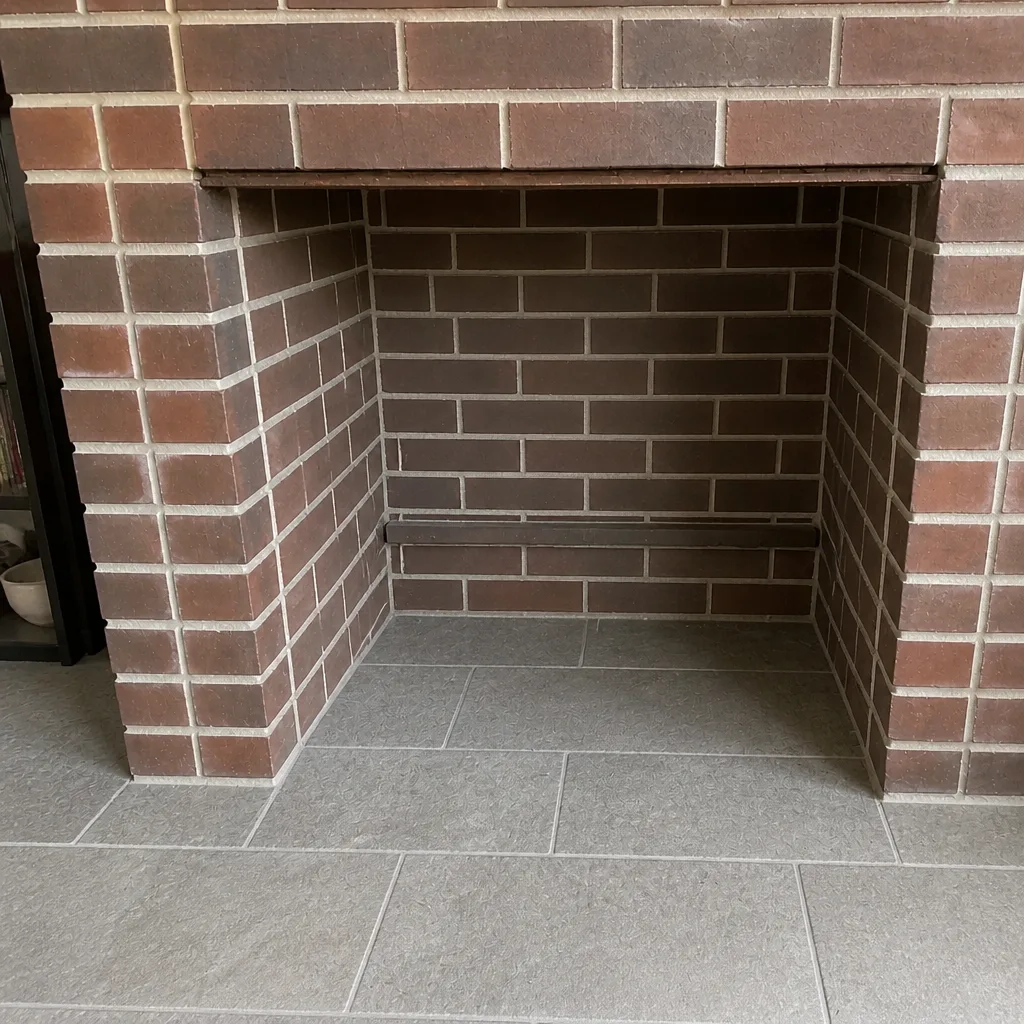
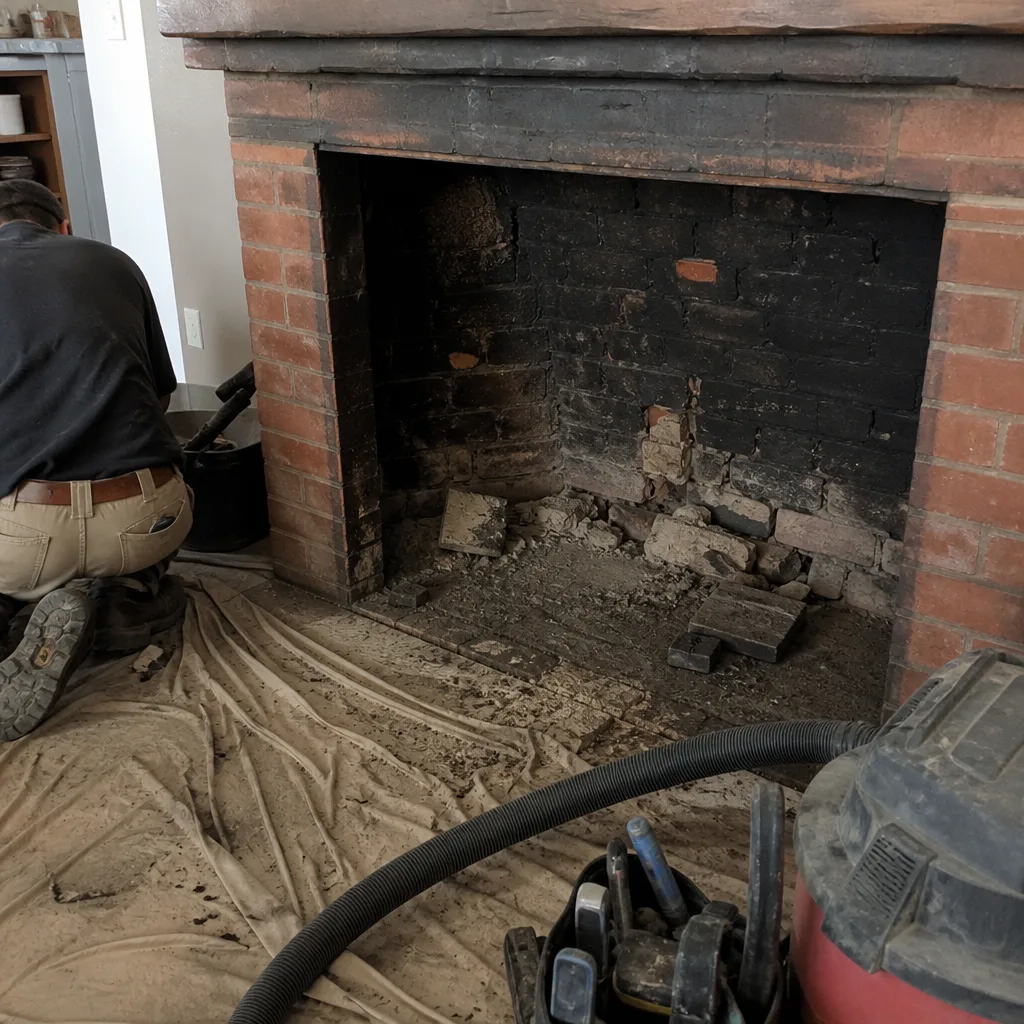
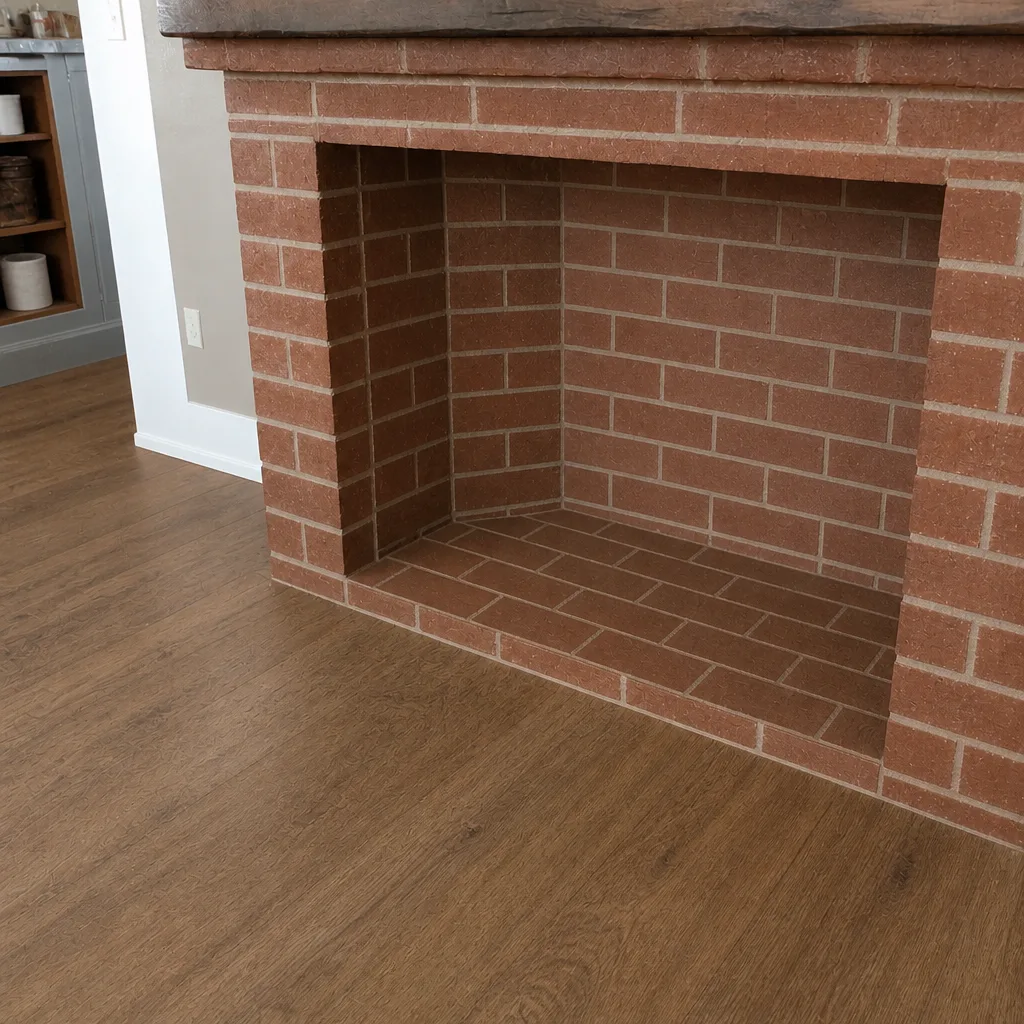
See the difference
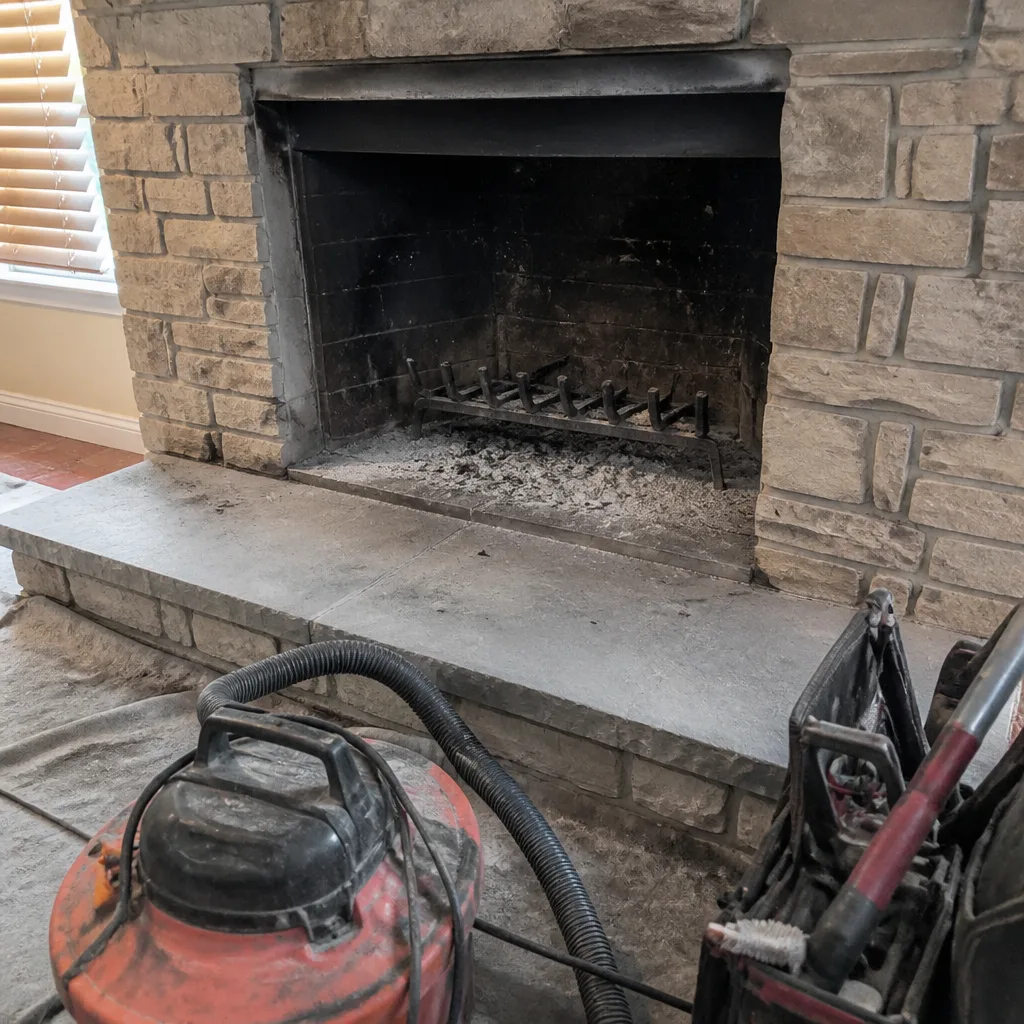 Before
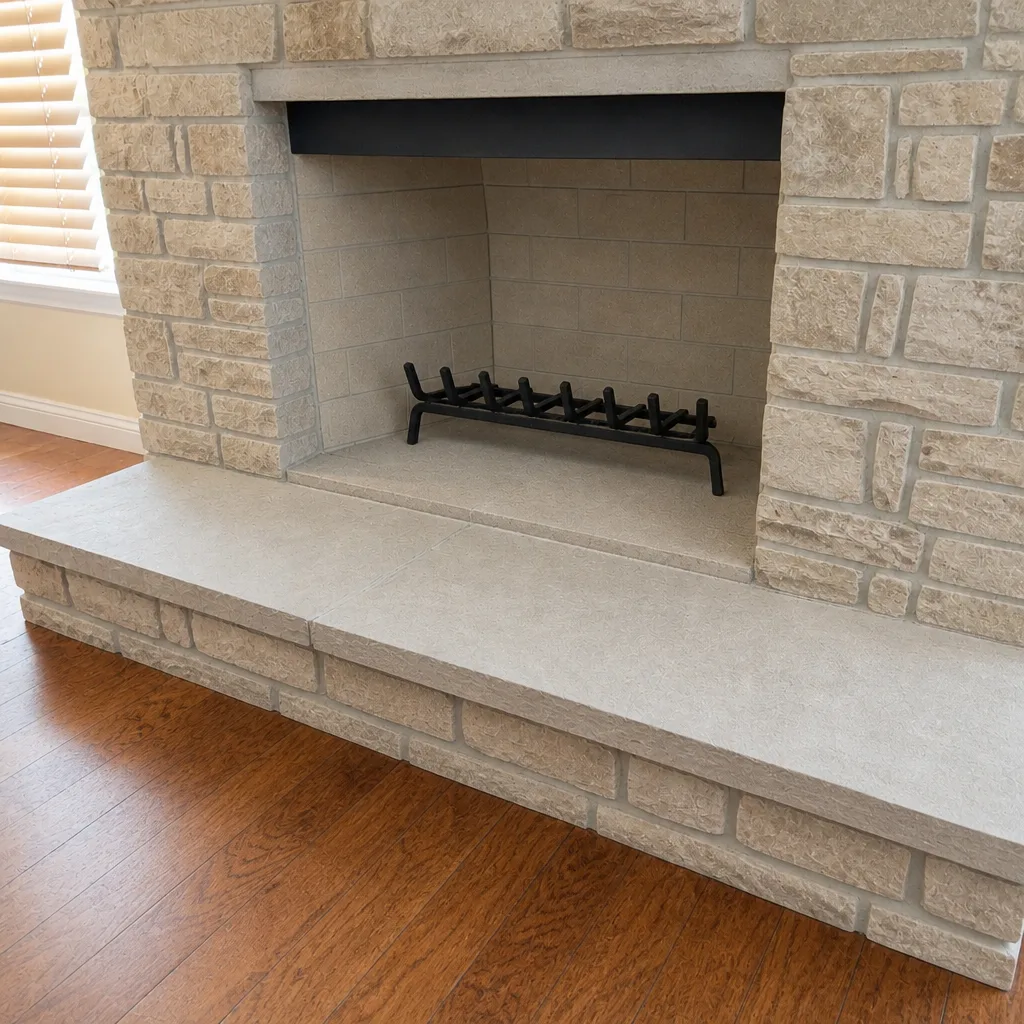 After
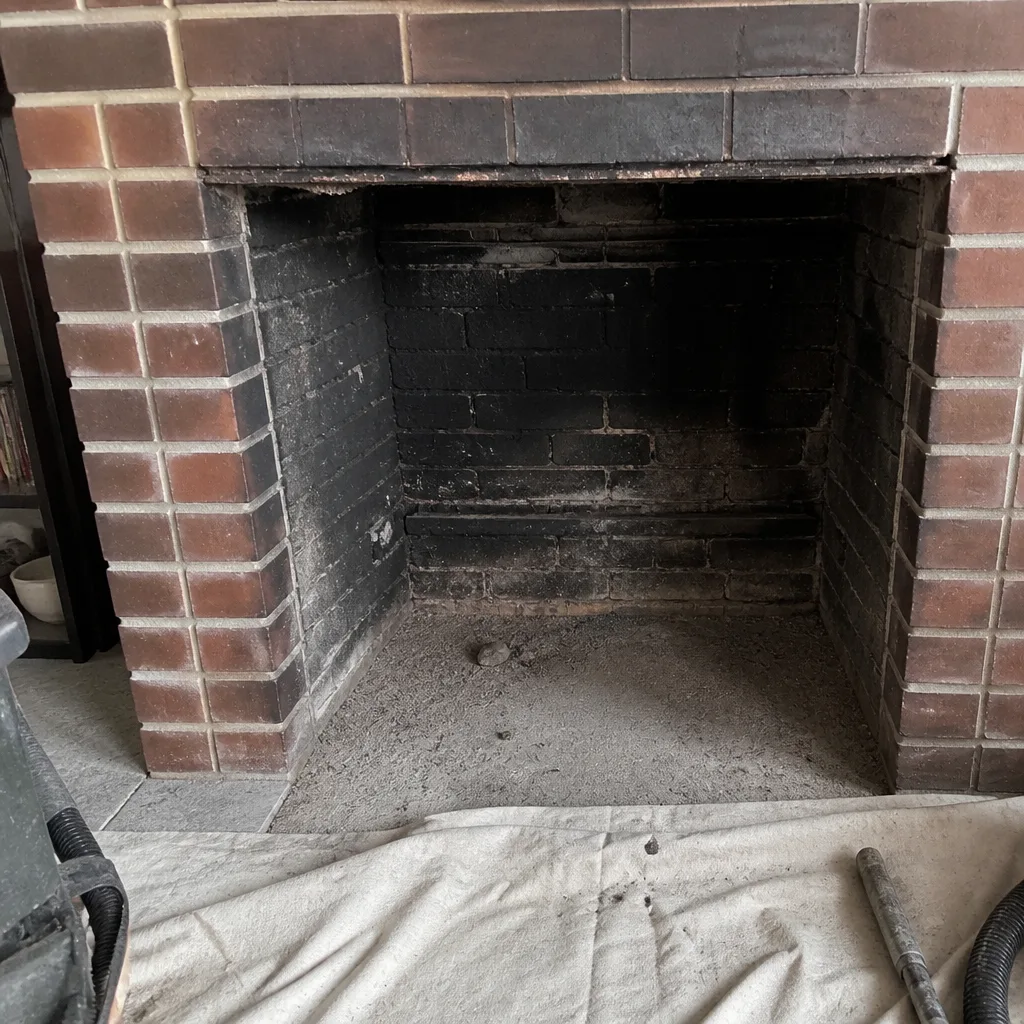 Before
 After
 Before
 After
When to Call a Professional
Call a professional if you see glaze or tar on the flue, smell gas, notice soot falling back into the firebox, have a visible crack in the firebox or damper, or see spalling brick or crumbling mortar on the exterior. Call if the fire has started smoking into the room despite an open damper, or if a draft problem has persisted across a season and you’ve been told to replace the appliance. Call if a previous owner’s maintenance history is unknown and you plan to burn this winter. And call before you make any structural decision based on a visual check alone. The written estimate and camera evidence should be in your hands before anything gets bought or built.
Chimney Sweep American Fork offers free estimates in American Fork. Call (833) 513-8116. We answer 24/7. Fast dispatch from 7am to 7pm, Sunday through Friday.
Frequently Asked Questions
A standard sweep in American Fork typically runs in the mid-hundreds, and major repairs like relining or crown replacement are quoted separately after inspection. We set the price per job from a written estimate, and the estimate is free. Call (833) 513-8116 for an exact quote, with the camera inspection and photo report included so you can see what’s inside the flue before you agree to anything.
Not always. A liner is recommended only when the camera shows damage a sweep can’t fix. In some cases a deteriorated flue can be restored with HeatShield liner resurfacing instead of a full reline, and in others a DuraFlex flexible liner or Olympia liner is the right answer. The point is that nothing gets recommended without evidence you can see, and it’s fine to say no and think about it. Call (833) 513-8116 for a free estimate.
Most wood-burning chimneys need a sweep about once a year, and more often if the wood is wet or the fire gets heavy use through the season. Gas fireplaces typically need less frequent cleaning but still need an annual inspection to catch cap, crown, and vent issues. Call (833) 513-8116 for an exact quote on a sweep and inspection in American Fork.
Creosote keeps building on the flue walls, and at the glaze stage it becomes the fuel source for a chimney fire. Moisture keeps working through any cracked crown or cap, and the masonry starts to spall and crumble. Neither outcome happens overnight, and both are preventable with a sweep and inspection. Call (833) 513-8116 for a free estimate before the season starts.
Yes, in most cases. Draft issues are usually caused by a blocked flue or negative house pressure, and neither requires replacing the appliance. A camera inspection confirms the cause, and the fix might be a cleaning, a correctly sized liner, or an air supply adjustment. Call (833) 513-8116 to get a diagnosis before you buy a new fireplace you may not need.
Yes, you can usually keep using the fireplace while you book an inspection, unless you’re also seeing glaze on the flue, soot falling back into the firebox, or signs of structural damage. White efflorescence means water is moving through the masonry, which is a repair issue rather than an immediate safety stop. Book the inspection and let the camera confirm where the water is getting in. Call (833) 513-8116 for a free estimate.
The Bottom Line
Chimney warning signs are usually quieter than homeowners expect, and that’s exactly why they’re useful. A white stain, a lingering smell, a fire that’s fussy about lighting, a slower draft than last season: those are the flue talking before anything dramatic happens. Read them correctly and you know whether you’re looking at a sweep, a cap or crown repair, a liner resurfacing, or something structural. Treat the noisy signs as an immediate stop. Use the quiet ones to book ahead. If you’re in American Fork and want to know what’s inside your flue before the next season, we’re the specialist to call. From the firebox to the crown, we handle it in one line of accountability.
Call (833) 513-8116. We answer 24/7. Fast dispatch from 7am to 7pm, Sunday through Friday. Estimates are free, and the written estimate sets the price.
Written by the team at Chimney Sweep American Fork.