
Last updated November 24, 2026
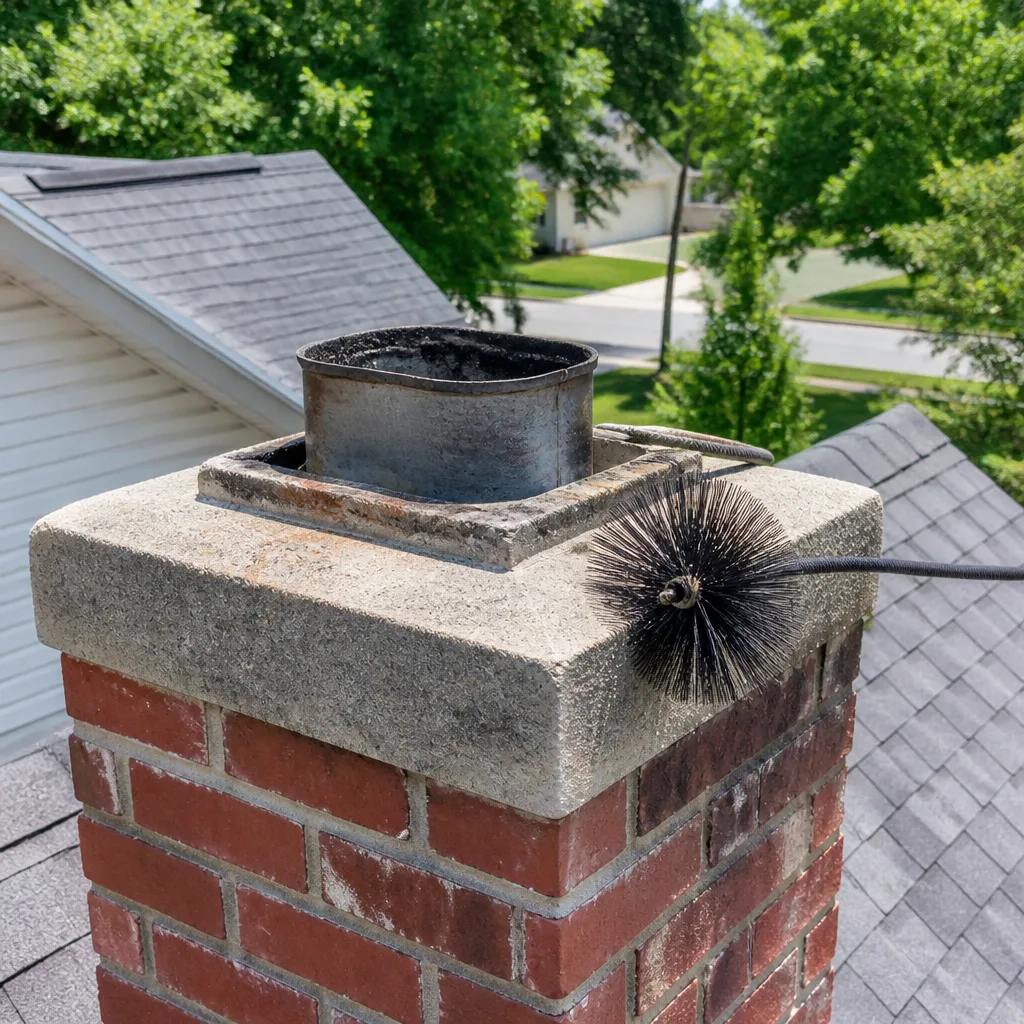 Sweep & inspection
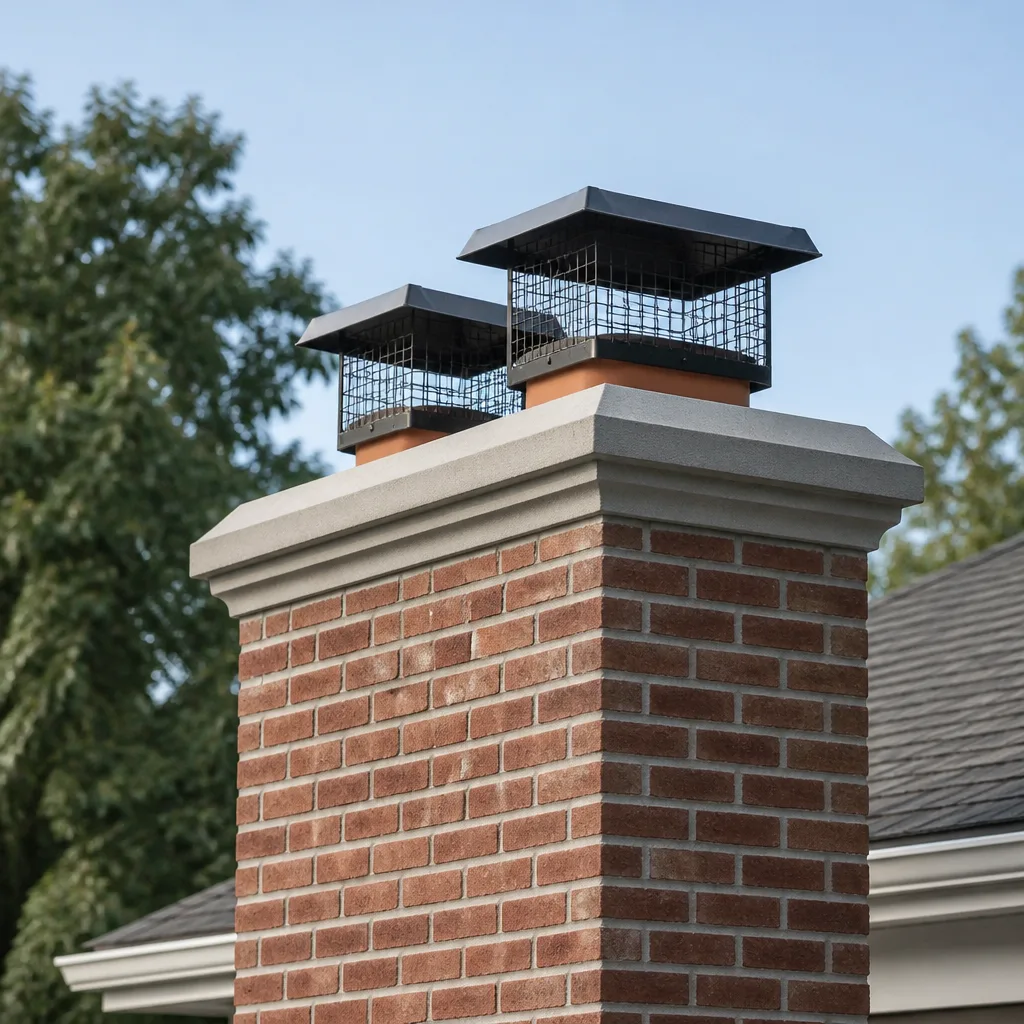 Caps & crowns
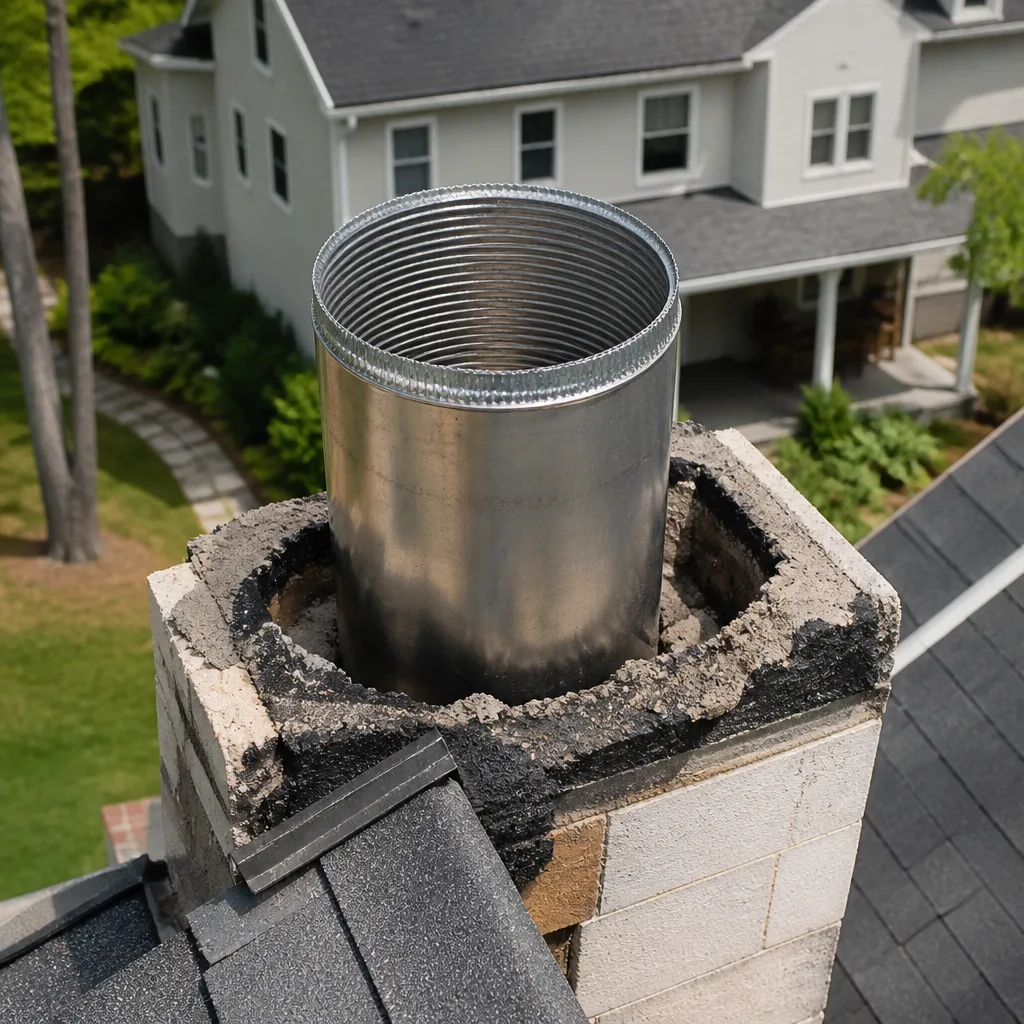 Flue relining
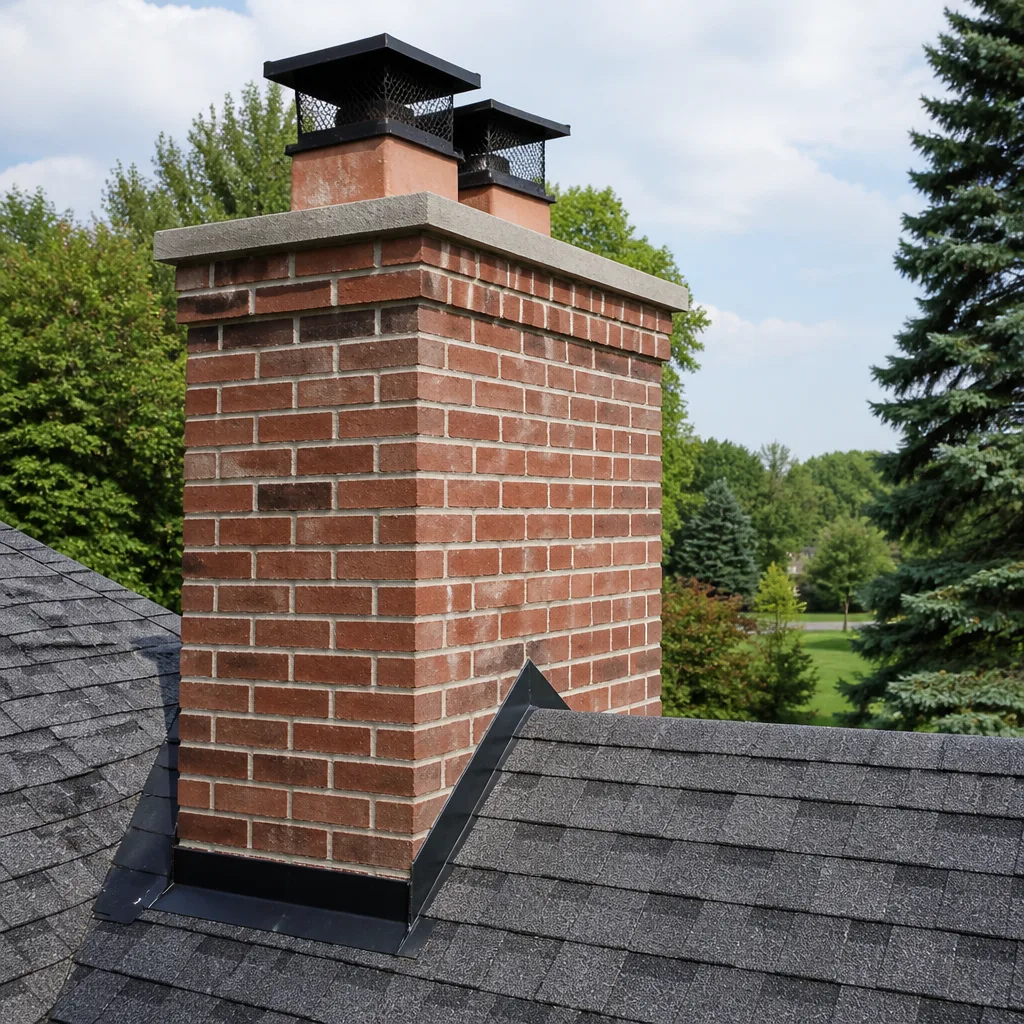 Masonry repair
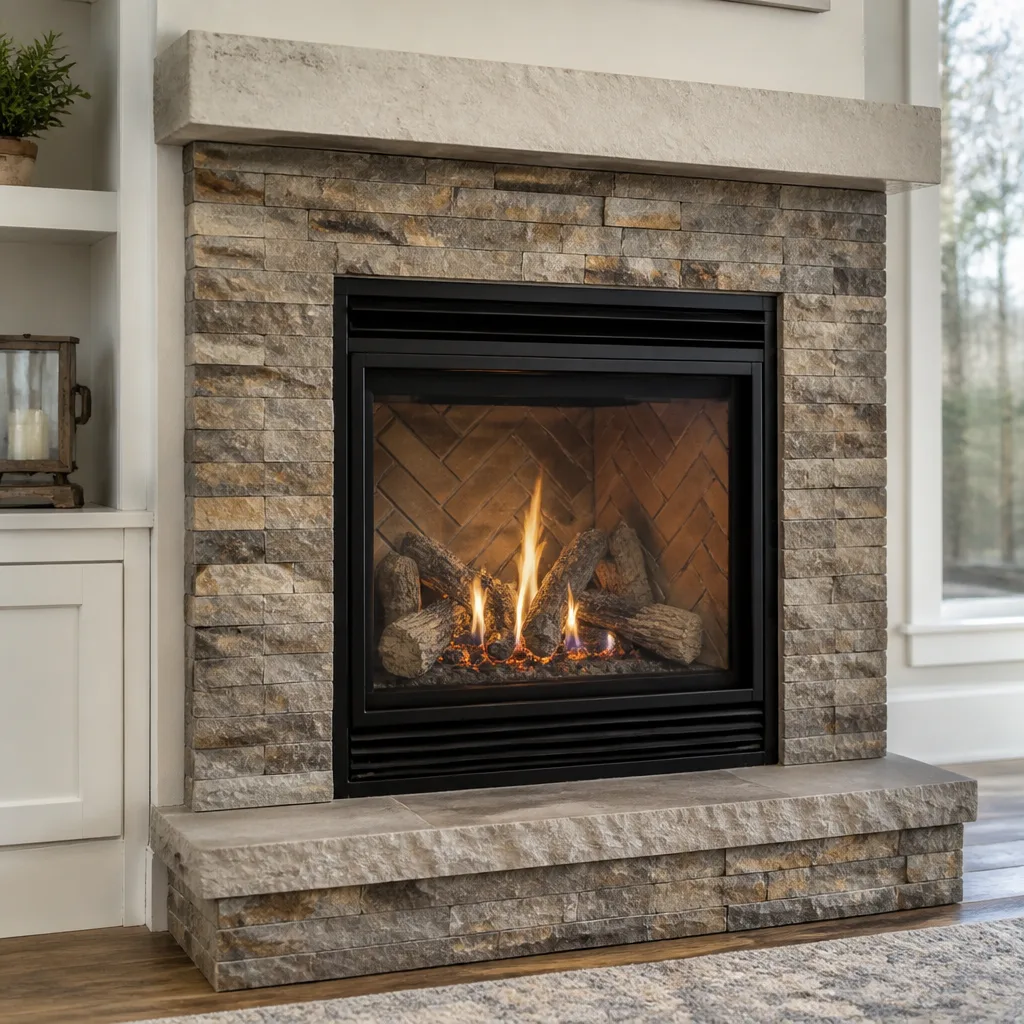 Gas fireplace service
Level 1 sweep and inspection to the NFPA 211 annual standard - flue, crown, cap, and flashing checked and photographed
Chimney sweep logs do not sweep chimneys. They loosen some creosote - which then falls where a brush and vacuum still have to collect it.
Chimney Sweep Maintenance Checklist for American Fork Homeowners
The damper is the most-used moving part in your entire chimney system, and it’s the one component almost no homeowner checks until smoke is backing into the living room. Everyone remembers the sweep. Almost nobody tests the seal on the plate that decides whether your fire draws or sulks. That gap matters more in American Fork than in a lot of places, because a Utah County winter throws repeated freeze-thaw cycles at masonry and because wood stoves here often get pushed harder than the manufacturer ever intended. This checklist is organized around those two realities. Read on and you’ll get a task-by-task breakdown of what you can safely inspect yourself, what needs a professional eye, and which red flags mean stop using the fireplace now.
Quick Answer
A chimney maintenance checklist for American Fork should cover four things: a yearly professional sweep and inspection, a homeowner walk-around that checks the cap, crown and masonry for freeze-thaw damage, a damper seal test before the first fire of the season, and a written record of every service for insurance and resale. A cracked crown or receding mortar joint found in fall costs far less to seal than to rebuild in spring.
Styles & brands we work with
- Sweep & inspection
- Caps & crowns
- Flue relining
- Masonry repair
- Gas fireplace service
Table of Contents
- Why a Chimney Checklist Matters More in American Fork
- What You Can Safely Check Yourself vs. What Needs a Professional
- The Masonry Checkpoints Utah’s Freeze-Thaw Cycle Makes Critical
- How to Test Your Damper Seal Before the First Fire
- A Season-by-Season Maintenance Calendar
- Documentation: What Records to Keep and Why They Matter
- Red-Flag Conditions That Should Halt Fireplace Use Immediately
- Common Mistakes to Avoid
- When to Call a Professional
- Frequently Asked Questions
Why a Chimney Checklist Matters More in American Fork
American Fork sits in a mountain valley where the temperature swings hard across a single day, and that swing is what does the damage. Masonry absorbs moisture from rain and snowmelt, then freezes overnight and expands. The mortar joint that looked fine in October can show a hairline crack by February. Do that for enough winters and you get spalling, where the face of a brick flakes away, and then mortar joint recession, where the joint pulls back and leaves the brick edges exposed. This isn’t unique to American Fork, but the pattern is pronounced here because the freeze-thaw cycle repeats so often.
The second local reality: wood stoves in this area tend to run hard. A stove sized for the house and operated within its rating is fine. A stove that gets pushed past that rating, or a fireplace used as a primary heat source through a long cold stretch, puts more creosote into the flue and more heat stress on the liner. Both raise the stakes on an annual sweep.
And there’s the altitude and the dry air. Low humidity in summer pulls moisture out of masonry during the day; the cold night drives it back in. That cycle accelerates the wear at the crown, which is the concrete or masonry top that sheds water away from the flue. A cracked crown lets water into the masonry – we seal it before it becomes a major rebuild. That single check is one of the most valuable items on any American Fork homeowner’s list.
What You Can Safely Check Yourself vs. What Needs a Professional
Most of what goes wrong with a chimney can be spotted from the ground or the firebox. The split is simple: anything you can see and reach with your eyes and your hands is fair game; anything that requires opening the flue, climbing the roof or touching a moving part under tension is a professional job. Here’s how to sort it.
Safe for homeowners
- Walk the exterior and look at the cap and crown with binoculars. Check for cracks, loose pieces, or debris caught in the mesh.
- Look for rust streaks or white staining on the outside of the chimney, both signs of moisture.
- Open the damper and inspect the firebox for cracks, gaps or crumbling mortar.
- Check the firebox floor for ash buildup and the grate for warping.
- Confirm the damper opens and closes fully, then test its seal (see the damper section below).
- Watch the chimney from outside during the first fire of the season for smoke escaping where it shouldn’t.
Needs a professional
- Cleaning the flue. A proper sweep is far more than a brush on a pole.
- Inspecting the flue lining. You can’t see the whole liner without the right camera and access.
- Any roof-level work, whether masonry, crown or cap replacement.
- Anything that involves a gas appliance or gas line near the fireplace.
- Diagnosing smoke problems, downdrafts or poor draft.
If you’re ever unsure whether a task belongs on your list or ours, err toward a professional inspection. A free estimate costs you a call, and it’s far better than discovering a problem in the middle of a cold snap.
The Masonry Checkpoints Utah’s Freeze-Thaw Cycle Makes Critical
Masonry is the part of a chimney most vulnerable to American Fork’s weather, and it’s the part most homeowners overlook because the damage starts small. Here are the specific checkpoints to look at every fall, roughly from the top down.
1. The crown
The crown is the sloped cap of masonry or concrete at the top of the chimney. It’s designed to shed water away from the flue. Look for cracks, crumbled edges or a crown that no longer slopes. A cracked crown lets water into the masonry, and water in masonry is the beginning of nearly every expensive chimney problem.
2. Mortar joints
Mortar is softer than brick and wears faster. Receding joints, where the mortar pulls back and leaves the brick edges standing proud, are the classic freeze-thaw signature. If joints are receding across a large area, the chimney is losing its weather seal.
3. Spalling brick
Spalling is when the face of a brick flakes or peels away. It’s caused by moisture trapped inside the brick freezing and pushing outward. A few spalled bricks are worth watching; widespread spalling across a face is a structural signal.
4. Flashing and the roof-to-chimney junction
Where the chimney meets the roof, the flashing seal is a common entry point for water. Check for lifted or missing flashing, or staining on the roof deck around the chimney.
5. The cap and spark arrestor
A chimney cap keeps rain, snow, birds and debris out of the flue. A cracked or missing cap lets all of it in. We install caps and crowns as part of a complete moisture-and-debris protection system, not as standalone add-ons, because the two work together. Brands like Copperfield and Olympia Chimney make caps and components robust enough for a mountain climate.
This is the section where a routine annual look-up pays for itself many times over. A sealed crown and solid mortar joints are cheap; a rebuild after water damage isn’t.
How to Test Your Damper Seal Before the First Fire
The damper is a metal plate above the firebox that controls airflow. When it’s open, smoke rises through the flue; when it’s closed, it keeps warm house air from escaping up the chimney and cold outside air from coming down. A damper that doesn’t seal is a draft problem waiting to happen and a heat loss you’ll feel on the coldest nights.
Testing the seal doesn’t require any tools or climbing. Here’s the procedure:
- Make sure the firebox is cold and there are no embers or ashes still warm.
- Open the damper fully, then close it fully, listening and feeling for smooth movement. A damper that sticks, grinds or won’t sit flush has a problem.
- With the damper closed, shine a flashlight into the firebox and look up. A visible gap of light around the edge of the plate means the seal isn’t tight.
- With the damper closed, hold your hand near the open firebox for a few seconds and feel for a cold draft coming down. A steady draft is a sign the seal is compromised.
- If you can, check again when the weather is colder and the house is warmer; a stronger draft difference makes a weak seal easier to spot.
A damper that won’t seal should be looked at as part of your annual service. It’s a small repair with an outsized effect on how the fireplace draws and how much heat stays in the living room.
A Season-by-Season Maintenance Calendar
A checklist only works if it’s scheduled. Here’s how a typical American Fork homeowner might break the year down. These are tasks, not necessarily dates; shift them to fit your own routine.
Early fall (before the first fire)
- Book the annual sweep and inspection. Getting on the schedule before the cold sets in avoids the crush.
- Do the exterior walk-around: crown, cap, mortar, flashing, spalling.
- Test the damper seal.
- Clean ash from the firebox and check the grate.
During the burning season
- Watch for smoke coming back into the room and adjust your burning habits. If it persists, stop and call.
- Keep an eye on the flue from outside for heavy smoke, which can signal a draft or fuel issue.
- Empty ash regularly, and never let it pile high in the firebox.
Spring (after the last fire)
- Do a second exterior look after the freeze-thaw season. This is when masonry damage is most visible.
- Schedule any masonry or crown repair now; moisture damage gets worse through the summer, not better.
- Update your service records with a photo of the chimney exterior.
Summer
- A good time for cap and crown work, liner resurfacing or relining, since you won’t be burning.
- Check that the cap is intact before the fall leaves fall, and clean out any bird nests or debris.
Two looks at the exterior each year, one before and one after the freeze-thaw season, catch most masonry problems early. The sweep happens once a year. Everything else is observation.
Documentation: What Records to Keep and Why They Matter
Most homeowners never think about chimney records until they need them. That’s a mistake. A simple file makes a real difference at two moments: when you file an insurance claim and when you sell.
Here’s what to keep:
- Every inspection report and sweep record, with the date and what was done.
- Photos of the chimney exterior and the firebox, taken each season. Photos are your baseline; they show change over time.
- Receipts and documentation for any repair, cap or crown work, noting the materials and brands used.
- The name of the contractor who did each job, since a future inspector may want to know who installed a liner or resurfaced a flue.
- Any written estimate or written report, even if you don’t have the work done right away.
Why it matters: a clear paper trail proves the chimney was maintained, and that can shape an insurance outcome and a buyer’s confidence. It also protects you from being sold work you don’t need, because you can compare a new report against the last one. When a buyer’s inspector flags the chimney during a resale, a documented maintenance history answers the question better than any promise.
If you work with us, you’ll get a camera inspection and photo report as part of the service, which makes this documentation easy to keep. Nothing is recommended unless the camera shows it, and you can see the evidence for yourself.
Red-Flag Conditions That Should Halt Fireplace Use Immediately
Sometimes the answer is stop, not schedule. A few conditions are serious enough that you should stop using the fireplace right away, regardless of when it was last serviced. Here they are.
- A strong, ongoing smell of gas near a gas fireplace or log set. Turn off the appliance and leave the area; call a professional and, if you smell gas strongly, your utility.
- Smoke backing into the room and staying there. Persistent spillage can mean a blocked or damaged flue, a draft issue or a liner problem. Stop using it until it’s checked.
- Visible damage to the flue liner or firebox walls. If you can see cracked liner, crumbling firebox mortar or gaps, don’t burn until a professional has inspected it.
- Flaking, whitish deposits or stained creosote in the firebox or at the flue top. Heavy creosote or sustained staining suggests a buildup that needs attention.
- A carbon monoxide alarm going off anywhere in the house. Get everyone out and call for help. Don’t re-enter until cleared.
None of these are things to “watch for a while.” A paused fire costs you nothing; a chimney fire or a carbon monoxide incident costs a lot. This is why we recommend a trained professional for anything on this list.
Common Mistakes to Avoid
- Waiting for a problem to announce itself. A chimney rarely complains until it’s advanced. Schedule the sweep on a calendar rather than in a panic.
- Skipping the exterior walk-around because you can’t see the top. A pair of binoculars and a few minutes in the yard catches most masonry problems before they spread.
- Doing roof-level work yourself. Height work on a chimney is genuinely dangerous and doesn’t reward DIY. Leave the crown and cap to a professional.
- Burning green or unseasoned wood. It produces more creosote and more smoke, both of which put extra strain on the system. Burn well-seasoned wood.
- Running a wood stove harder than its rating. This is common in American Fork when a stove is the main heat source, but a stove pushed past its rating adds stress you can’t see.
- Ignoring the crown because the rest of the chimney looks fine. A cracked crown lets water in and starts the chain of damage that ends in a rebuild.
- Losing the paper trail. No records means you can’t prove maintenance and can’t compare one inspection to the next. Keep a simple file.
When to Call a Professional
Call a professional when you see any red flag from the section above, when you can’t remember the last sweep, or when a home inspector or insurance carrier asks you to have the chimney looked at. Call us if you’ve moved into a house with a wood stove or fireplace and have no maintenance history; an initial inspection tells you exactly what you’re starting with. And call when it’s time for the annual sweep itself. Chimney Sweep American Fork offers free estimates in American Fork – call (833) 513-8116. We answer 24/7. Fast dispatch from 7am to 7pm, Sunday through Friday. One crew, one call from inspection through repair. Our chimney sweep service covers the sweep, the camera inspection and the photo report, and we’re equipped for the full continuum, from routine cleaning through chimney repair and fireplace repair. Our technicians have up to 9 years of experience.
Frequently Asked Questions
Once a year is the standard, and that annual schedule fits American Fork’s freeze-thaw climate well. If you burn heavily or run a wood stove as a primary heat source, you may want the flue checked more often. The sweep is also the chance to catch masonry damage before winter. Call (833) 513-8116 for an exact quote; estimates are free.
A complete checklist covers the annual professional sweep and inspection, a homeowner exterior check of the crown, cap, mortar and flashing, a damper seal test before the first fire, seasonal observation during the burning season, and a written record of each service. Those items cover the failure points that show up most in Utah County homes. Call (833) 513-8116 for an exact quote; estimates are free.
You can safely check the exterior, firebox, damper and cap from the ground, but a full flue inspection needs professional equipment and access. The liner and the top of the flue are where the serious problems hide, and they’re not visible from a ladder. Call (833) 513-8116 for an exact quote; estimates are free.
Freeze-thaw damage shows up first as receding mortar joints and slight spalling on the brick faces, then as cracks in the crown. Left alone, it works down from the top. Walking the exterior with binoculars in fall and spring catches it early. Call (833) 513-8116 for an exact quote; estimates are free.
Open and close the damper fully to check it moves smoothly, then shine a flashlight into the firebox with the damper closed and look for light at the edges. A visible gap or a cold draft means it isn’t sealing. Call (833) 513-8116 for an exact quote; estimates are free.
Stop immediately if you smell gas, if smoke backs into the room and stays, if the firebox or liner shows visible cracks, or if a carbon monoxide alarm sounds. Any of those are reasons to pause the fire and call a professional, not to wait it out. Call (833) 513-8116 for an exact quote; estimates are free.
The Bottom Line
A chimney checklist works when it’s built around how homes actually fail in American Fork, not around a generic printout. That means putting the crown and mortar joints on the list every fall, testing the damper seal before the first fire, and keeping a written record you can show an insurer or a buyer. The professional sweep and inspection anchor the year. Everything else is observation and documentation. If you’re in American Fork and want one accountable specialist from the firebox to the crown, our team is ready to help. We’re equipped to line with DuraFlex flexible liner systems and to work with firms like Famco and Olympia Chimney, so a small problem can be handled before it grows. Our technicians have up to 9 years of experience.
Call (833) 513-8116 for a free estimate. We answer 24/7. Fast dispatch from 7am to 7pm, Sunday through Friday.
Written by the team at Chimney Sweep American Fork.
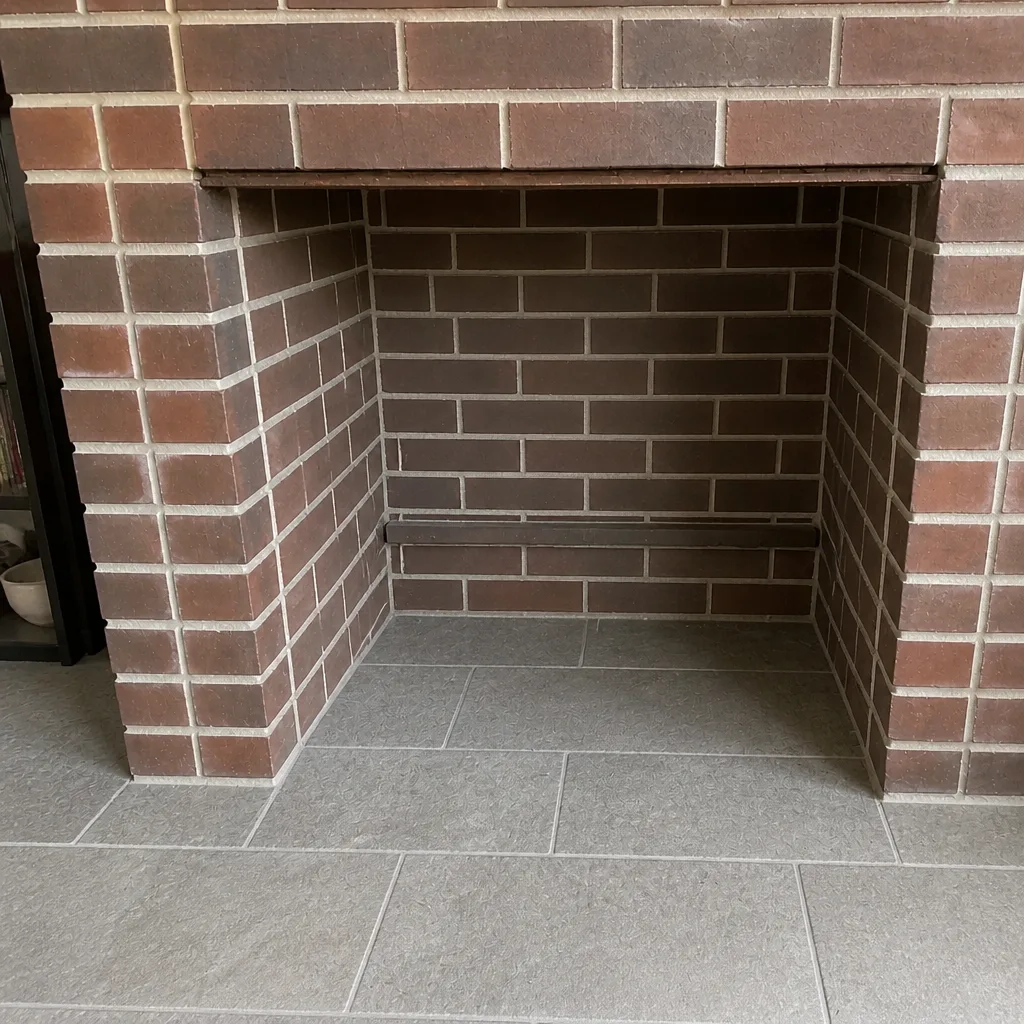
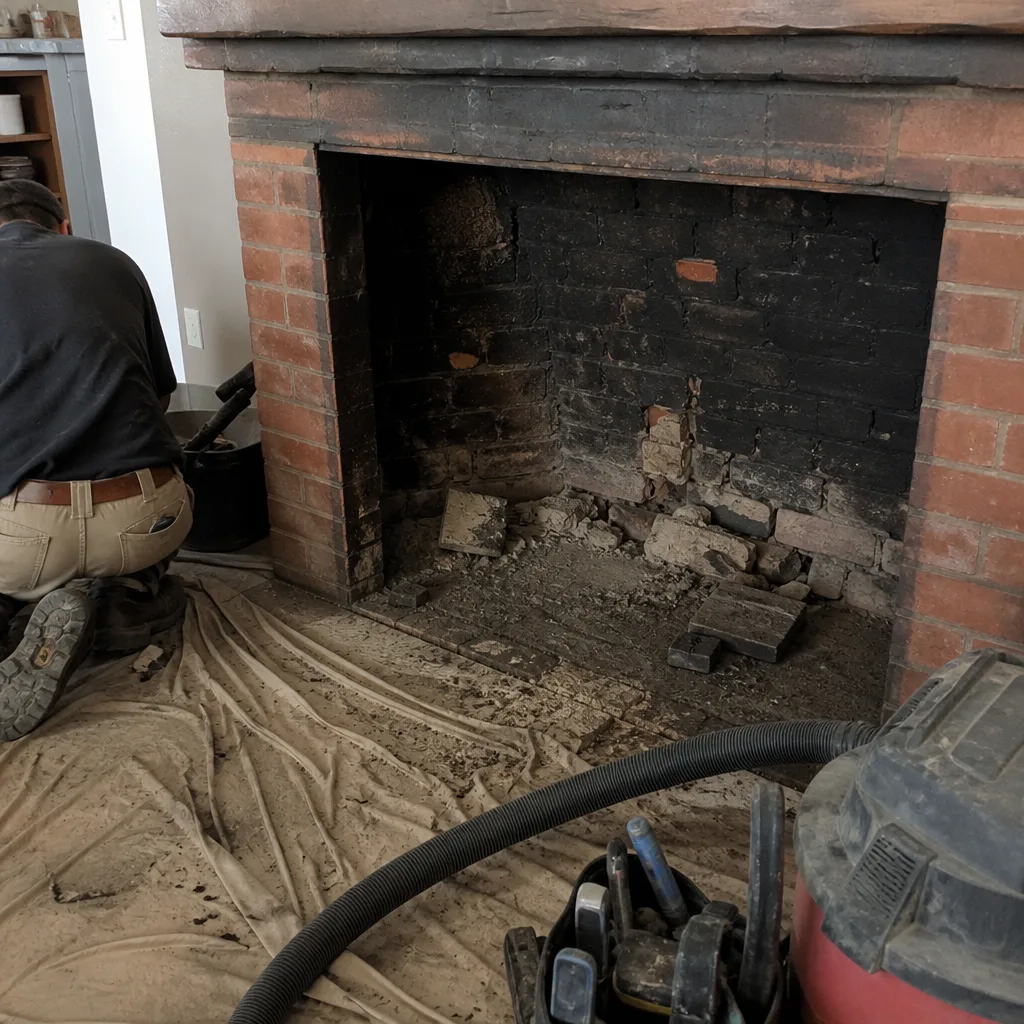
See the difference
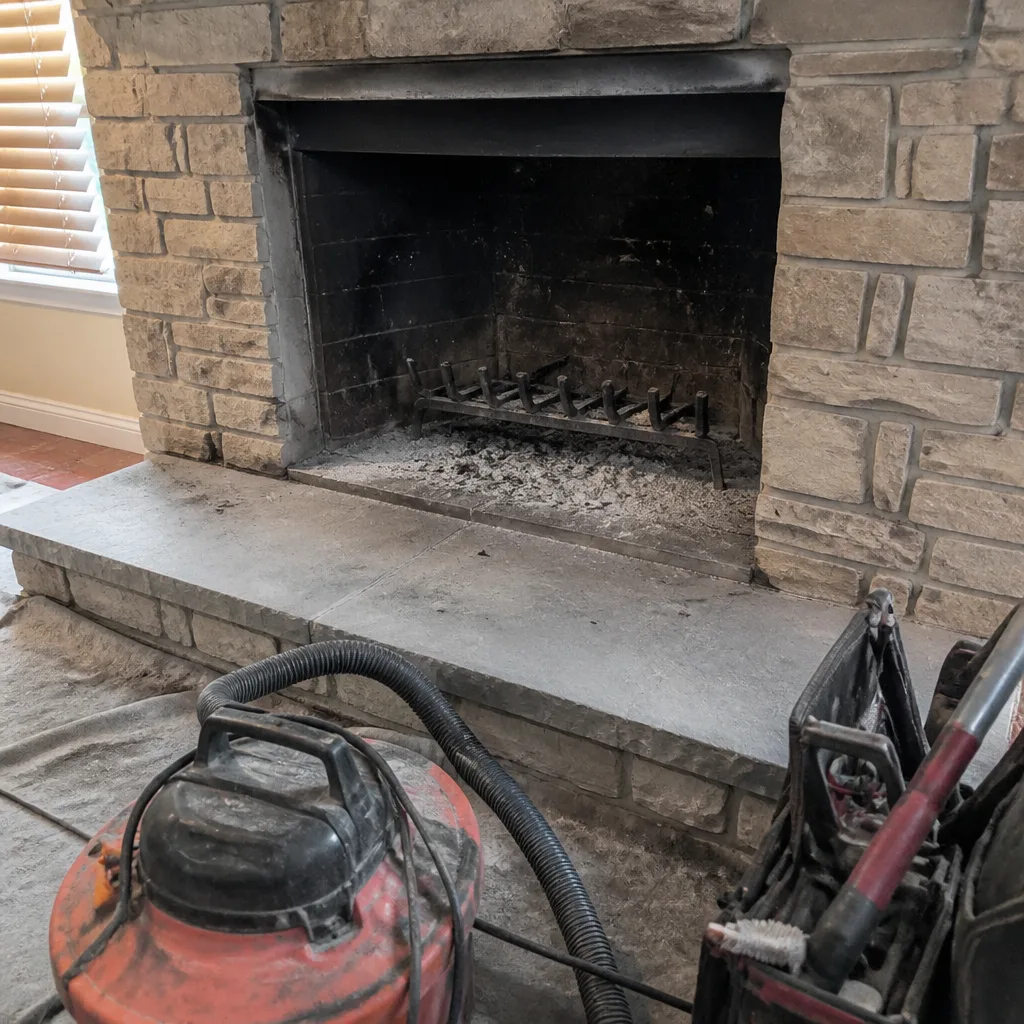 Before
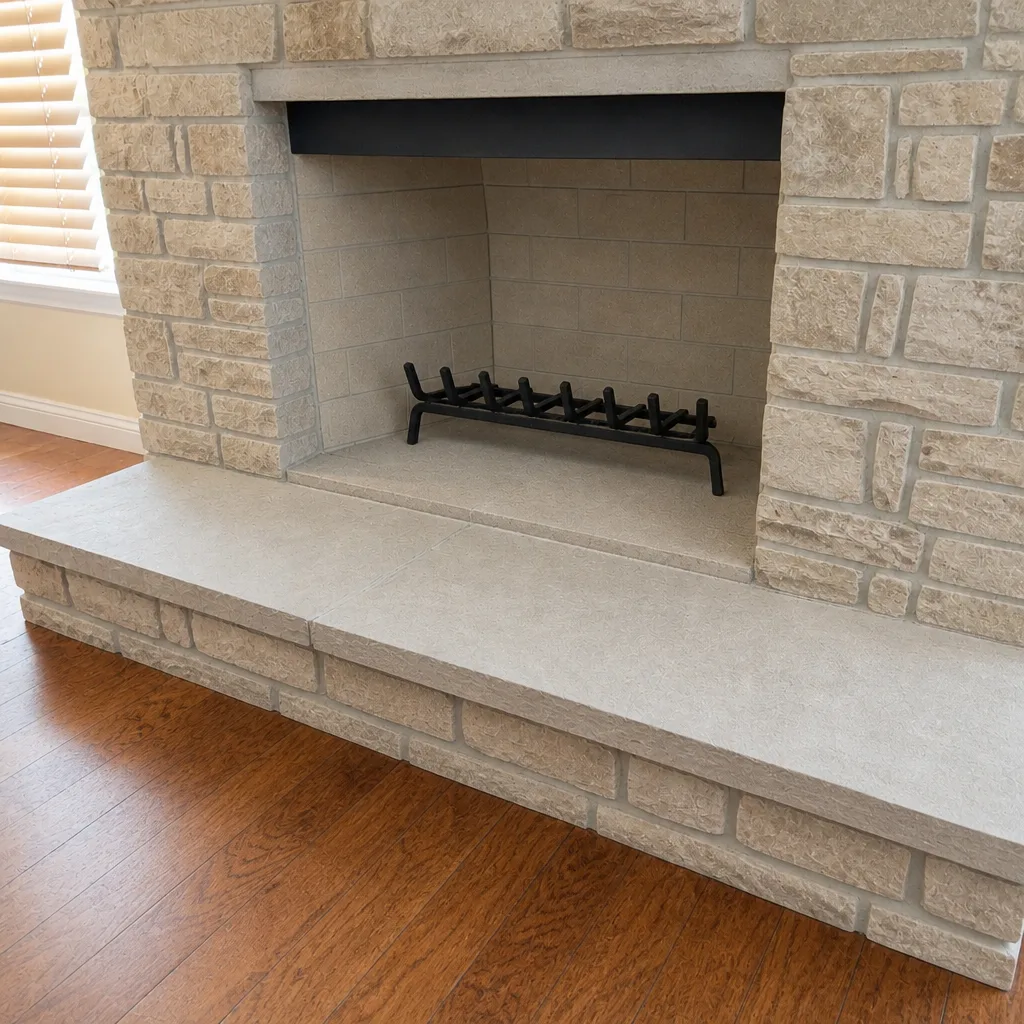 After
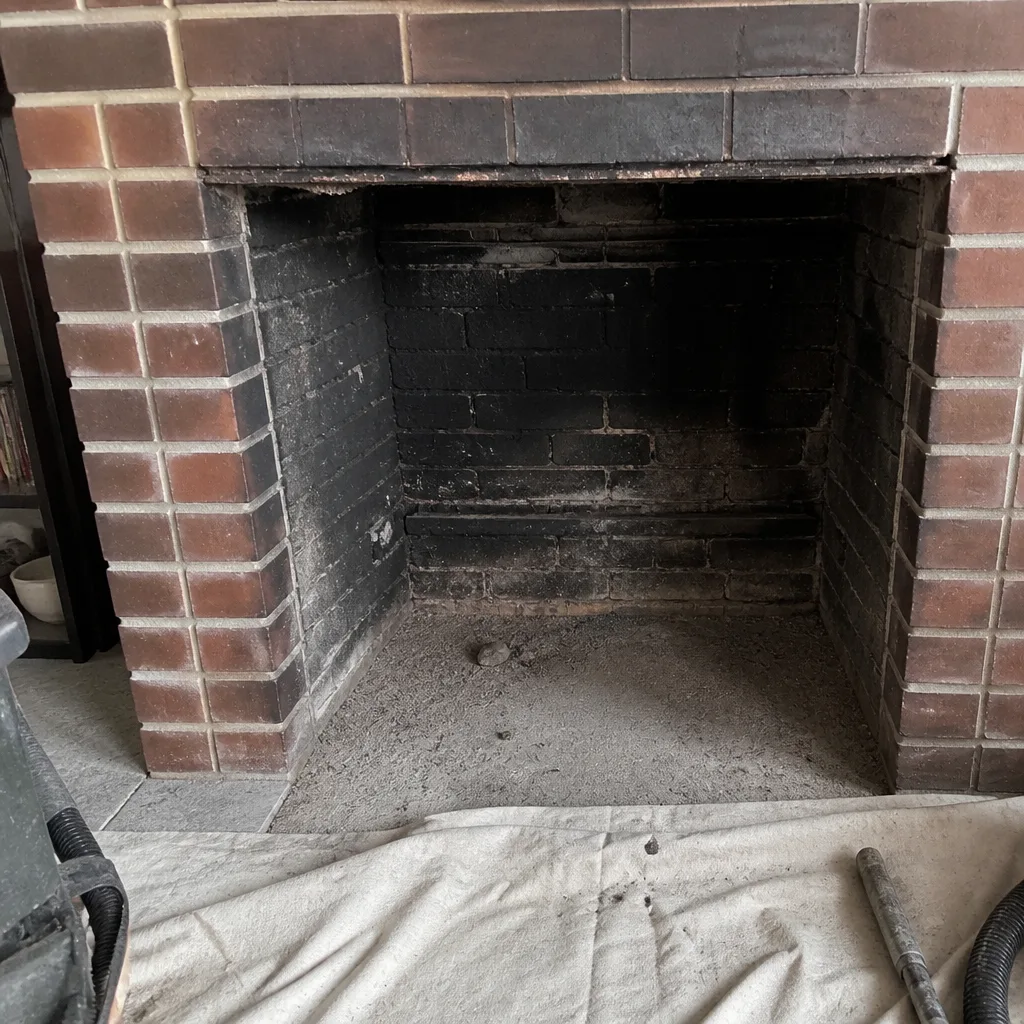 Before
 After
 Before
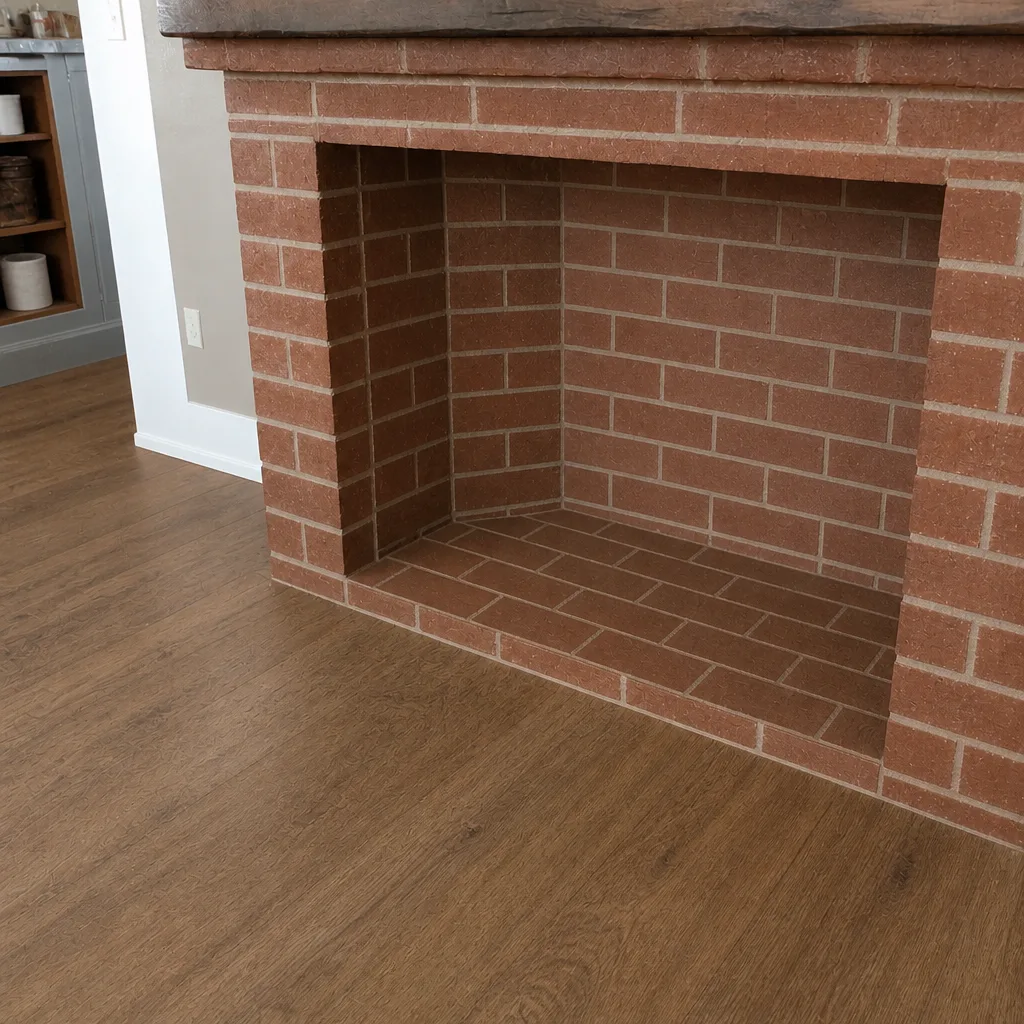 After