
Last updated November 24, 2026
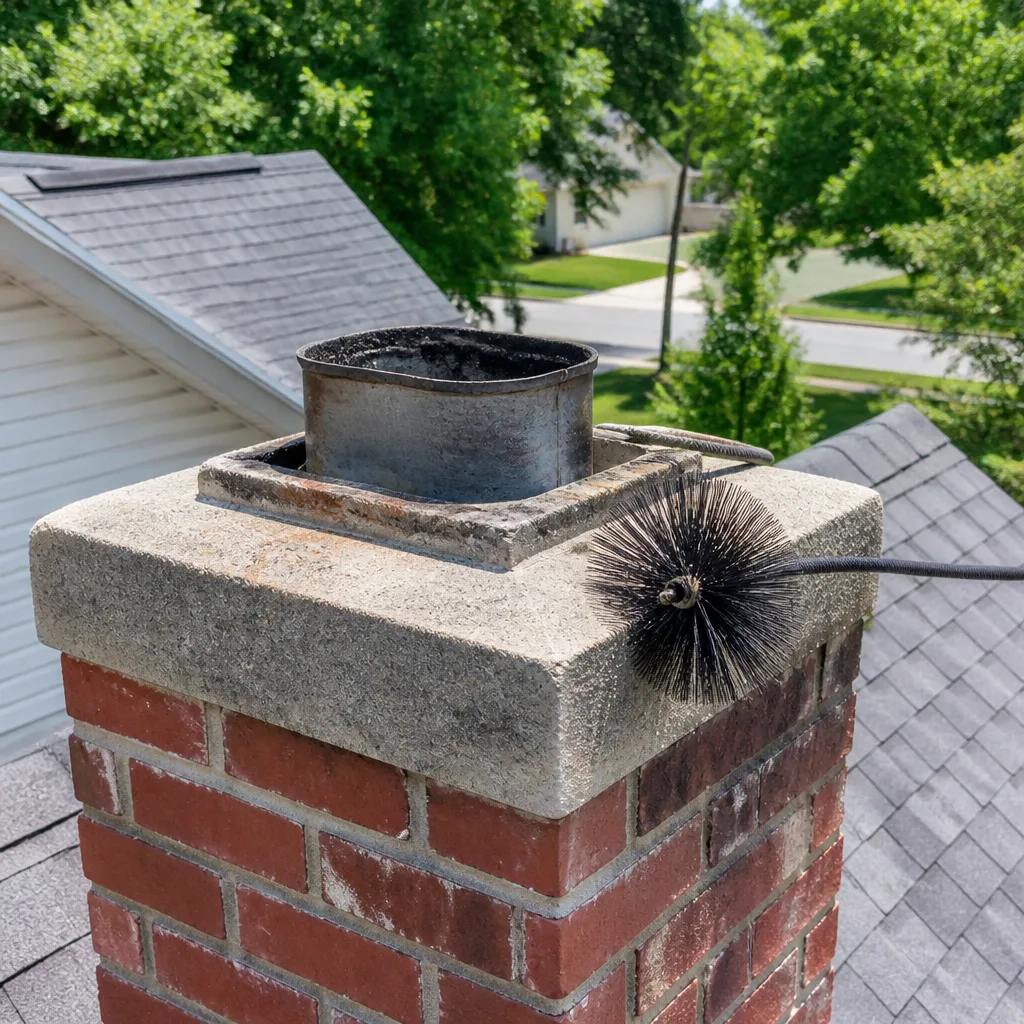 Sweep & inspection
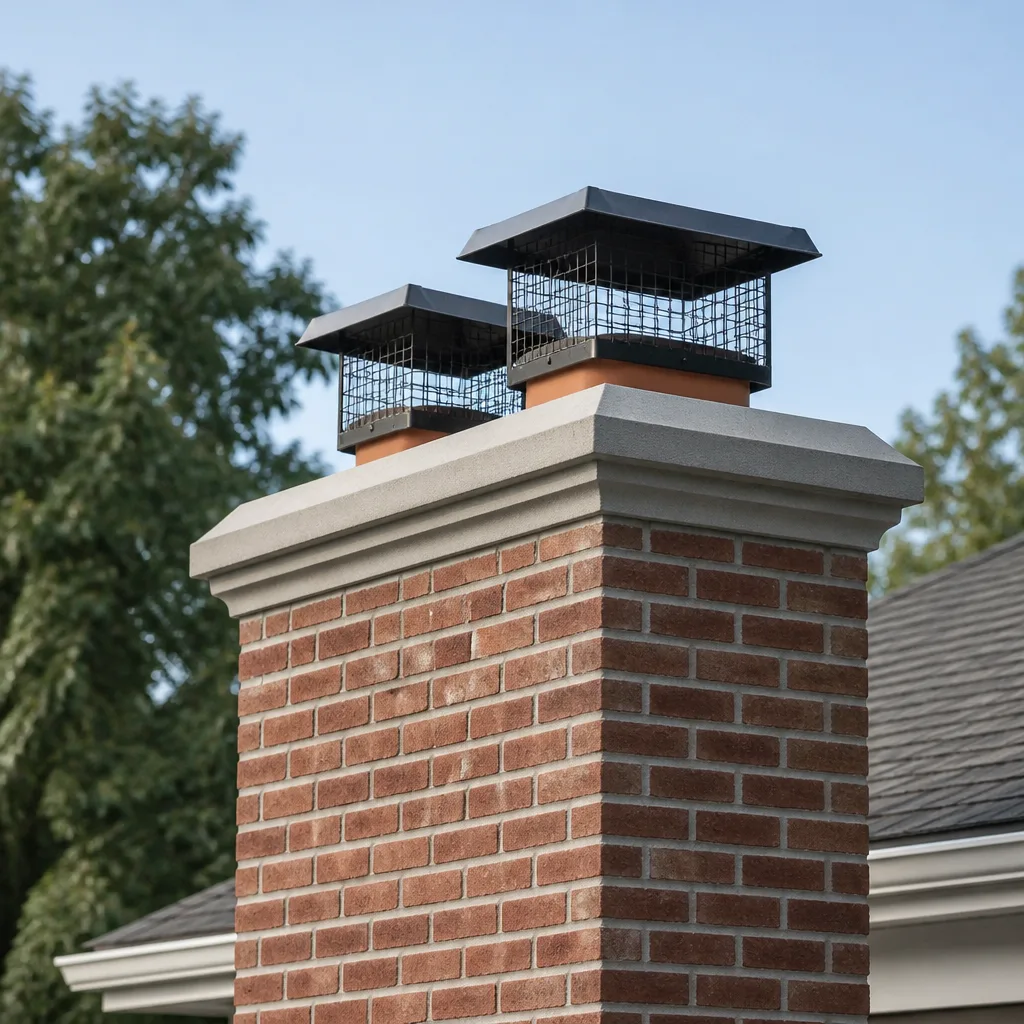 Caps & crowns
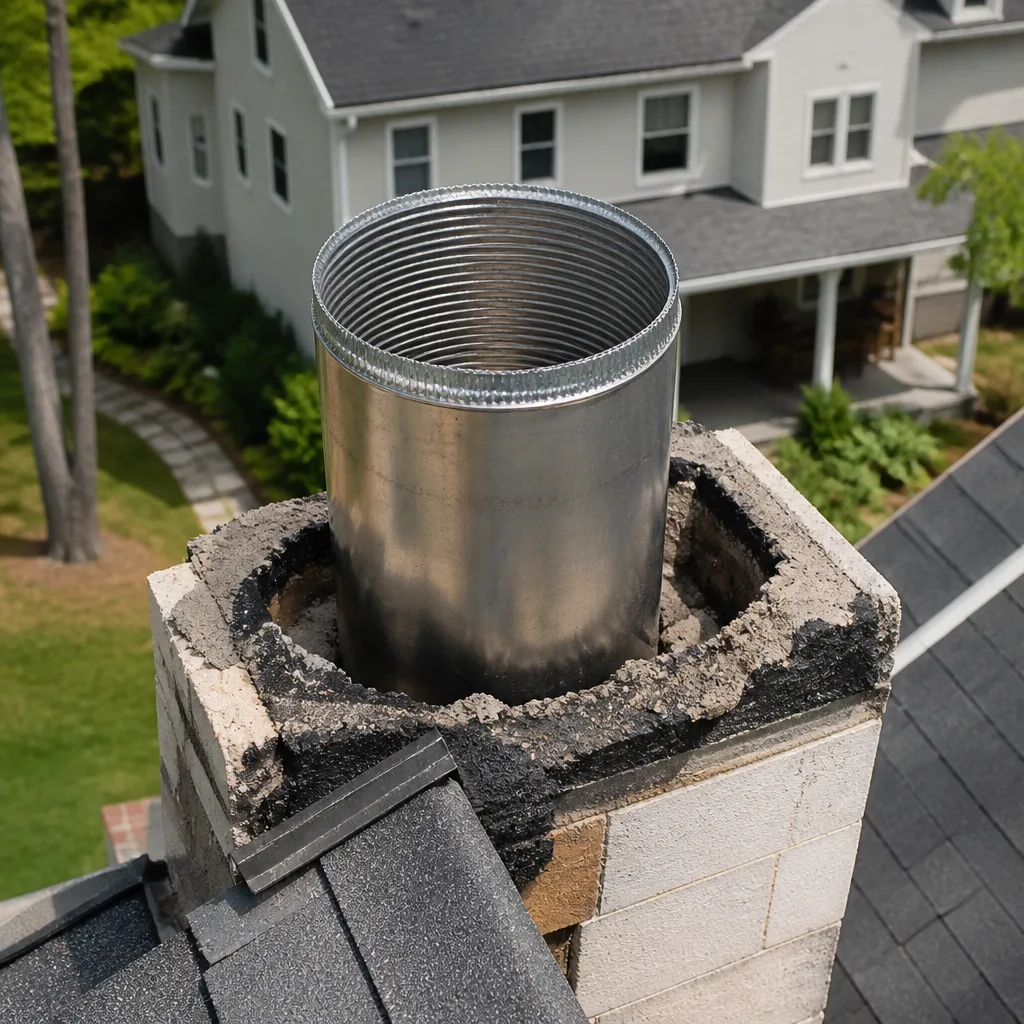 Flue relining
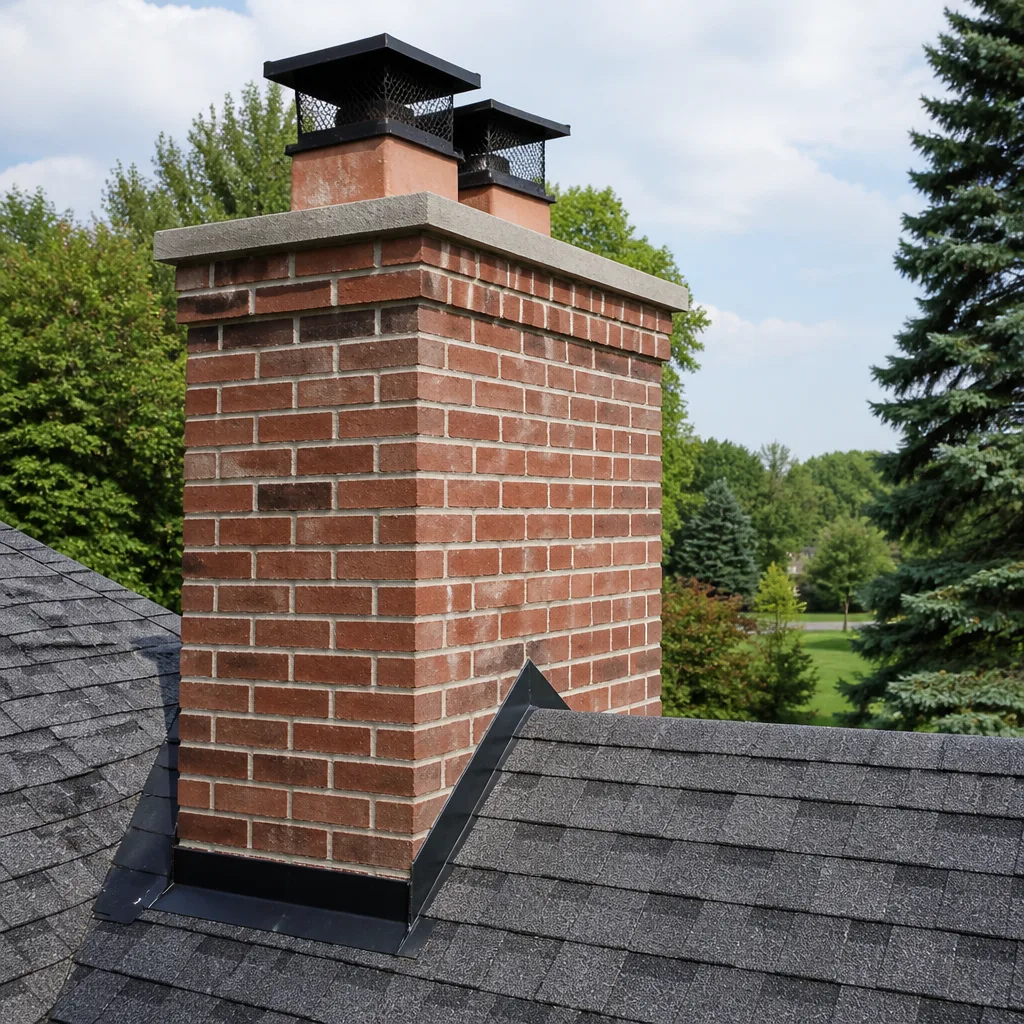 Masonry repair
 Gas fireplace service
Level 1 sweep and inspection to the NFPA 211 annual standard - flue, crown, cap, and flashing checked and photographed
Chimney sweep logs do not sweep chimneys. They loosen some creosote - which then falls where a brush and vacuum still have to collect it.
Chimney Cleaning Permits, Codes & Inspections in American Fork, UT: What You Need to Know
Here’s the part that surprises most homeowners: a new stainless steel liner installed without the correct permit isn’t just a code violation. It’s a liability your homeowner’s insurance may use to deny a fire-related claim. People assume a chimney sweep and a chimney repair fall under the same rules. They don’t. Cleaning is maintenance. Relining, crown replacement, and structural repair cross into permitted work under Utah building code, and the line between the two is where American Fork homeowners get into trouble without realizing it. This guide walks through that threshold, how NFPA 211 standards meet Utah County inspection requirements, and what paperwork to keep so a future sale or claim doesn’t stall over a chimney you thought was handled.
Quick Answer
Routine chimney cleaning does not require a permit in American Fork, but repair work such as relining, crown replacement, or structural masonry repair generally does under Utah building code and local municipality rules. A code-compliant inspection report documents the flue’s condition and is often required for real estate transactions and insurance renewals. Knowing which side of the line your job falls on protects both your home and your coverage.
Styles & brands we work with
- Sweep & inspection
- Caps & crowns
- Flue relining
- Masonry repair
- Gas fireplace service
Table of Contents
- Where Does Chimney Work Cross From Maintenance to Permitted Repair?
- How NFPA 211 Standards Meet Utah County Inspection Requirements
- What a Code-Compliant Chimney Inspection Report Looks Like
- When an Inspection Is Legally Required in American Fork
- How Contractor-Grade Materials Satisfy Code
- The Documentation Trail to Keep for Future Transactions and Claims
- Chimney Compliance in American Fork Real Estate Transactions
- How Insurance Carriers View Unpermitted Chimney Work
Where Does Chimney Work Cross From Maintenance to Permitted Repair?
In American Fork, the line sits between cleaning and structural alteration. Sweeping a flue, removing creosote, and inspecting the system are maintenance tasks. They restore function without changing the chimney’s structure, so no permit is involved. Once a job changes the physical makeup of the chimney, the rules shift.
The general threshold under Utah building code treats a chimney as part of the structure. Work that alters its structure, its flue, or its ability to vent combustion gases safely falls under permitted repair. In practice, that means:
- Sweeping and creosote removal: maintenance, no permit.
- Level 1, 2, or 3 inspection: maintenance and documentation, no permit.
- Relining the flue with a stainless system: permitted repair.
- Crown replacement or rebuild: permitted repair.
- Structural masonry repair to the chimney stack: permitted repair.
- Cap installation where it’s part of a listed system: check with the city, as scope matters.
This is where homeowners get caught. A chimney cap installed correctly is a protective measure. But a cap installed as part of a full liner and crown system is different work with different documentation. If a contractor tells you a relining “doesn’t need a permit in American Fork,” ask them to put that in writing and check with the city’s building department before work begins. It’s a two-minute call that can save a claim.
We’ve walked into plenty of American Fork homes where a previous liner was installed without permit or record. The work may function, but there’s no paper trail proving it meets code. When the house changes hands or the insurer asks questions, that gap becomes the homeowner’s problem. Knowing the threshold ahead of time keeps a maintenance visit from quietly becoming an unpermitted repair. If you’re unsure which side of the line your job falls on, a chimney repair assessment will tell you before any work starts.
How NFPA 211 Standards Meet Utah County Inspection Requirements
NFPA 211 is the national standard for chimneys, fireplaces, vents, and solid fuel appliances. Utah building code references it, which means the standard isn’t optional guidance for American Fork homes; it’s part of how a chimney is judged. Local inspection requirements at the Utah County level start from NFPA 211 and add the city’s own permitting and inspection steps on top.
The standard breaks inspections into three levels, each scoped to a different situation:
- Level 1: a visual inspection of readily accessible portions of the chimney and venting, done during routine service or when a system is changing use without alteration. This is the level a normal annual sweep covers.
- Level 2: everything in Level 1 plus inspection of accessible areas of the chimney, including the flue interior, via camera, and any accessible crawl spaces and attics. A Level 2 is what most real estate transactions and insurance underwriting require. It’s also required after an event that could have damaged the chimney, like a chimney fire or an earthquake.
- Level 3: a deeper inspection that opens concealed areas when a hazard is suspected in an area that can only be reached by removing parts of the chimney or building. A Level 3 is diagnostic, done to investigate a specific suspected problem.
Where local rules add to this: the Utah County building inspection process expects permitted repair work to be inspected by the city or county before it’s closed up. A relining job that involves a permitted structural change gets inspected, and the inspector checks the work against code, which references NFPA 211 standards. That’s the pathway where national standards and local enforcement meet.
We’ve seen what happens when a lined chimney goes in without that inspection. The physical liner may be fine, but the homeowner has no certificate of inspection, which is the document that actually matters at resale or claim time. A code-compliant job produces both: work done to NFPA 211, and an inspection record from the agency that has jurisdiction in American Fork.
What a Code-Compliant Chimney Inspection Report Looks Like
A code-compliant inspection report is a written document that records what was inspected, at what level, what was found, and what it means for the system’s condition. It’s not a handwritten note on a receipt. It’s a structured record an insurer, a real estate agent, or a future buyer can read and rely on.
In our experience, a report worth keeping includes:
- Identification: the property address, the date, and the name of the inspecting company.
- Inspection level: stated explicitly as Level 1, 2, or 3, matching what was actually performed.
- Access notes: what was accessible and inspected, and what wasn’t.
- Findings: the condition of the flue, liner, firebox, damper, smoke chamber, crown, and cap, with notes on creosote buildup and any cracks or gaps.
- Photographic evidence: images of the flue interior and problem areas, taken during the camera inspection.
- Mechanic’s notes: a clear statement of what’s safe to use, what needs repair, and what can wait.
The photographic evidence is the part homeowners should insist on. Without it, you’re taking someone’s word about a $3,000 liner job. A camera inspection that produces photos you can see and keep lets you confirm the findings yourself. It also proves, later, that a given condition existed on a given date. That matters in a real estate transaction, and it matters if an insurer asks how a fire started.
We include a camera inspection and photo report with every chimney sweep in American Fork. That’s partially because the photos are useful to us, and mostly because they’re useful to you. If nothing needs fixing, the report says so. If something can wait, the report says that too.
When an Inspection Is Legally Required in American Fork
An inspection isn’t legally required for a routine cleaning, but there are situations where a documented inspection is effectively a requirement in American Fork. Knowing which those are keeps a transaction or a renewal from stalling.
In practice, the situations that call for a documented inspection are:
- Selling or buying a home: the vast majority of real estate contracts and lenders expect a chimney inspection, and most parties settle on a Level 2 for the transaction. A missing or vague document invites renegotiation or a request to perform repair before closing.
- Insurance underwriting or renewal: many carriers ask for documentation of the chimney’s condition, particularly for wood-burning systems. A report that shows a sound flue supports the policy staying as written.
- After a chimney fire or a suspected one: a Level 2 inspection is appropriate after any event that could have damaged the flue. The same applies after an earthquake or a major structural event.
- Changing the appliance: when a fireplace insert, wood stove, or gas appliance is installed, or when the chimney is converted from one fuel to another, an inspection is part of making sure the venting remains correct.
- After a permitted repair: the city or county inspection is a separate step, and the written report documents that the work was done to code.
None of this is about being told you need work you don’t. If a camera inspection finds a sound flue, the report says so and the file stays clean. If it finds a compromised liner, the photos show you why. The point of the documentation is to give you evidence, not a scare.
How Contractor-Grade Materials Satisfy Code
Code compliance isn’t only about the permit. It’s about the material. A listed liner installed correctly is a code-compliant liner. A hardware-store equivalent, or a material that isn’t listed for the application, may or may not meet code, and when it fails, the insurer’s first question is what was installed and whether it was listed.
“Listed” means the product carries a recognized safety listing for its specific use, such as a UL listing for chimney liners and caps. Listed products are tested to national standards, and their installation instructions are written for the application they’re tested for. That’s the paper trail that satisfies an inspector and an insurer.
The materials we work with are selected for that reason:
- DuraFlex and Olympia Chimney flexible liner systems are listed stainless systems built for relining a flue. We line with DuraFlex flexible liner systems and Olympia Chimney products, and we can install from the same job that inspected the flue, which means one company responsible from inspection through relining.
- HeatShield is a resurfacing product applied to a deteriorating clay flue. It restores a liner that’s cracked or spalled without a full reline in some cases, and it’s a technique general handymen typically aren’t equipped to apply. The result is a code-compliant flue surface rather than a panel of broken clay.
- Caps and crowns installed as a complete system, rather than a single bolt-on item, are what make the moisture and debris protection hold. A crown that won’t let water in is what keeps a listed liner from being undermined by a wet flue.
Hardware-store items can be perfectly fine for a hardware-store job. They aren’t a substitute for a listed liner in a permitted relining. When you compare quotes, ask what’s being installed and whether it carries a listing. The answer tells you whether the work can be inspected and documented as code-compliant.
The Documentation Trail to Keep for Future Transactions and Claims
The documentation trail is the record that proves your chimney work met code. It’s the paperwork an insurer, a buyer’s inspector, or a city inspector will ask for, and it’s much easier to keep than to reconstruct later. Nobody keeps the full set until they need it; the people who do save themselves a real headache.
The record to maintain for each chimney job includes:
- The inspection report for each inspection, at its stated level, with photos.
- The permit number and the final inspection record for any permitted repair. This is the document that proves the work was done under permit and passed inspection.
- The material documentation identifying the liner system or resurfacing product used, with the brand, model, and listing information.
- The written estimate and invoice for the work, as a record of scope and date.
- The camera photos taken before and after repair, when they’re produced.
We’ve seen transactions where a ten-year-old reline became a stalled closing because no one could find the permit record. A folder or a digital scan of the paperwork prevents that. When you sell a home in American Fork, the buyer’s inspector will look at the chimney, and the permit record answers the question before it’s asked.
For insurance, the same file matters. If a claim involves a fire traced to the chimney, an insurer will want to know what was installed, when, and whether it was permitted and inspected. Permitted, inspected, listed, and documented work is the version of that story that supports a claim rather than undercutting it.
Chimney Compliance in American Fork Real Estate Transactions
American Fork has a mix of housing stock: older homes near the historic downtown, newer construction on the city’s east and north sides, and homes in neighborhoods like Shelton and the area around the Alpine Highway corridor. The age of the chimney tends to track the age of the house, and that changes what the inspection is likely to find.
Whether you’re buying or selling, the safe approach is to complete a documented Level 2 inspection before closing. If repair work is permitted and needs to be done, completing it with the proper permit and inspection avoids a renegotiation at the last moment. A clean report with photos is a selling point. An undocumented one is a question mark.
For a listing, the seller usually controls the timing. For a buyer, the negotiation is stronger inside the inspection window, when findings can be addressed before the deal is locked. A chimney repair that isn’t discovered until after the sale closes becomes the new owner’s job, and often their claim to pursue. Getting it on paper first protects both sides.
If you’re navigating a transaction and need the inspection or the fireplace repair documentation that goes with it, that’s a routine conversation for us.
How Insurance Carriers View Unpermitted Chimney Work
An insurer’s concern isn’t the permit itself. It’s risk. Unpermitted, uninspected work may not meet code, and if a fire or carbon monoxide incident traces back to a chimney, the insurer will ask whether the system was installed to standard. A missing permit and inspection record leaves that question open, and an open question on a claim is not a good place to be.
That’s the liability your policy can hinge on. Unpermitted relining or repair work can become grounds for a denial, or for a reduction in what a claim pays, depending on the policy language and the circumstances. It’s not a scare story; it’s the line every policy has about alterations being made to standard.
So the insurer’s view tracks ours. Permitted, inspected work with listed materials and a documented report is the version of a chimney that stays covered under the policy the homeowner is paying for. That’s exactly what we build on a permitted repair: one company from inspection through final documentation.
Common Mistakes to Avoid
- Assuming every chimney job needs a permit, or none does. The threshold is maintenance versus structural repair. Sweeping doesn’t need one; a reline usually does. Getting this wrong in either direction wastes time or leaves work unpermitted.
- Accepting a verbal inspection. “Looks fine” isn’t a report. Without photos and a written level, there’s no proof for a sale or a claim.
- Hiring the same contractor for an unlisted liner as for a listed one, without asking. Ask what product is being installed and whether it’s listed. The answer determines whether the work can be documented as code-compliant in American Fork.
- Hiring a general handyman for liner work. Resurfacing a flue with HeatShield or installing a liner system is specialist work. A generalist may not have the equipment or the listing documentation behind them.
- Forgetting the crown and cap. A cracked crown lets water into the masonry, and unprotected flues fill with debris. Skipping them undermines the rest of the investment.
- Throwing away the paperwork. Permits, inspection records, material documentation, and photos are what prove a job met code years later. Keep the file.
- Skipping an annual sweep because nothing’s broken. Creosote buildup and small cracks aren’t obvious from the living room. An annual sweep plus camera inspection catches problems while they’re cheap to handle; a burning flue with heavy creosote is a fire risk.
The one through-line: don’t let the paperwork go dark. If you buy in American Fork and the chimney’s history is unknown, get a documented inspection before you rely on it. If you sell in American Fork and the last service was a couple of years ago, get one before listing. A Chimney Sweep American Fork appointment gives you both the cleaning and the paper.
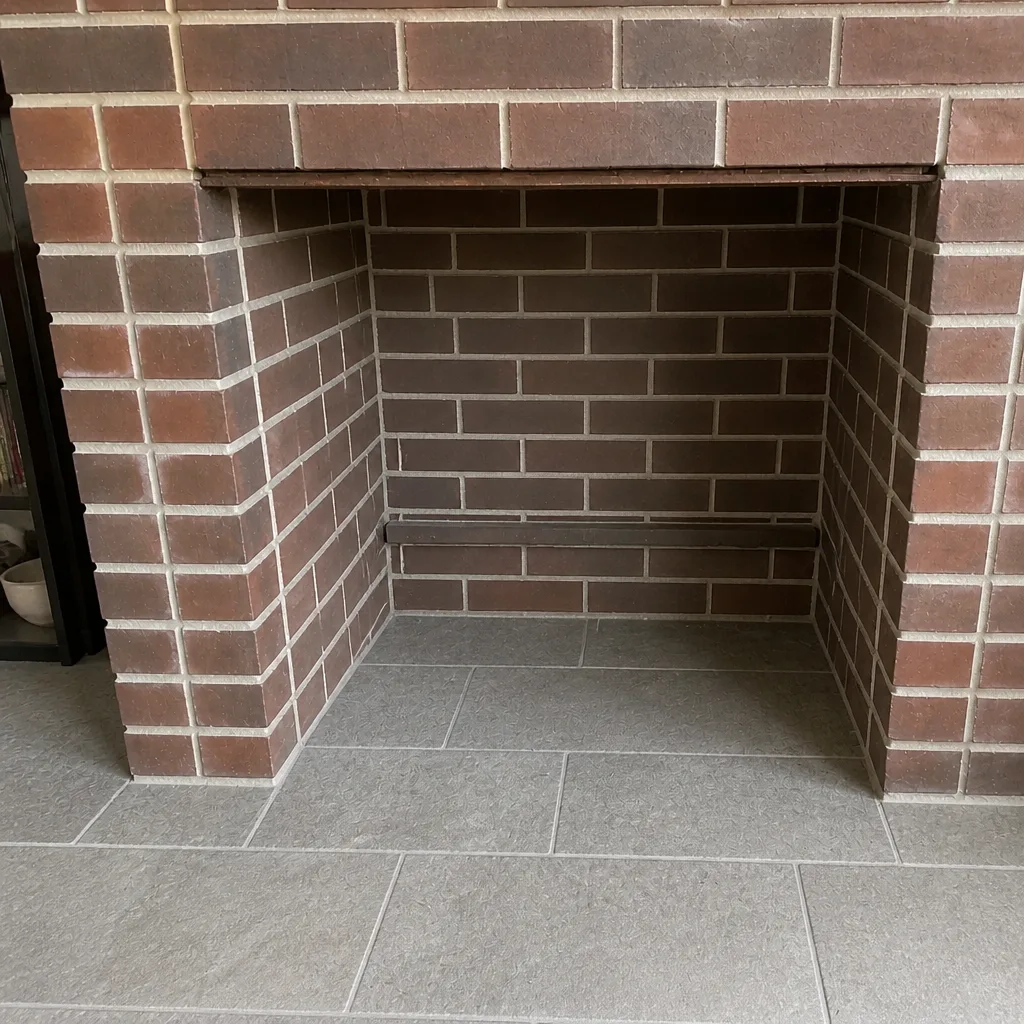
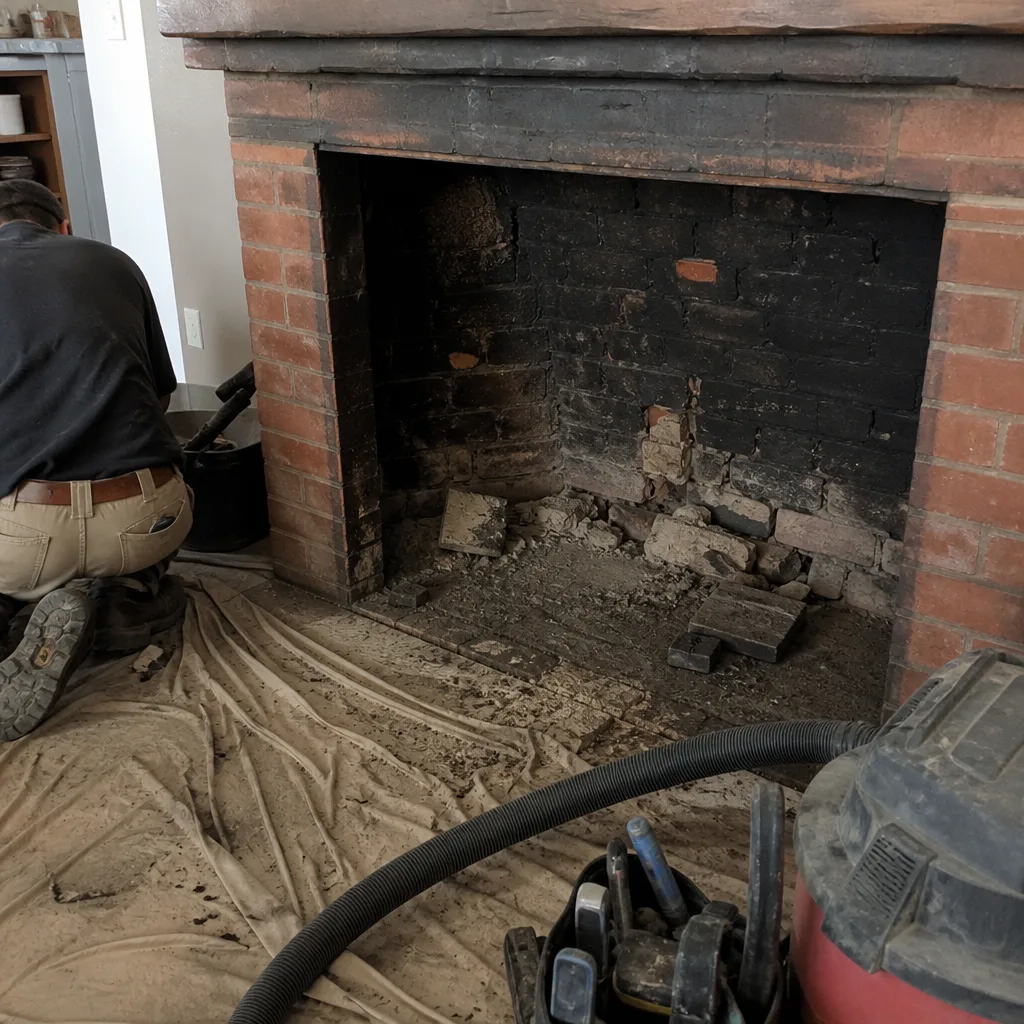
See the difference
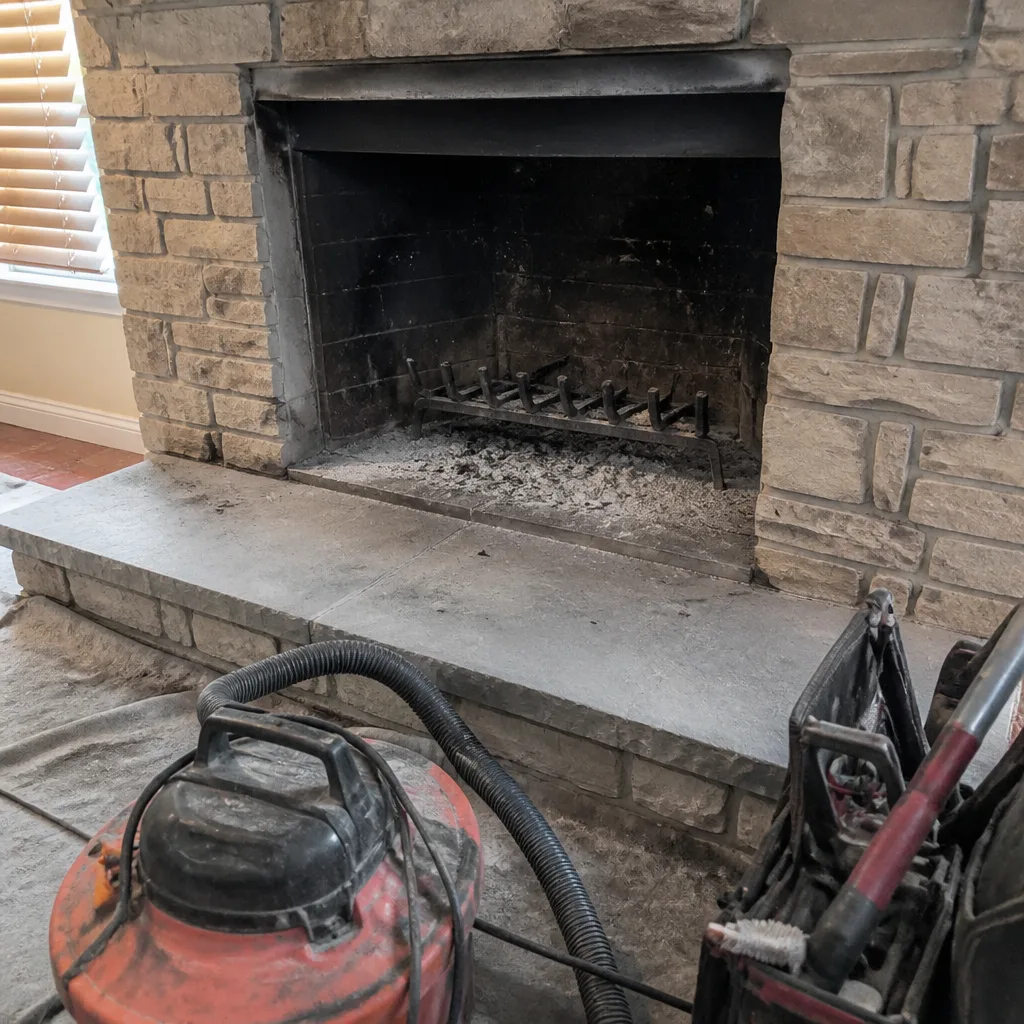 Before
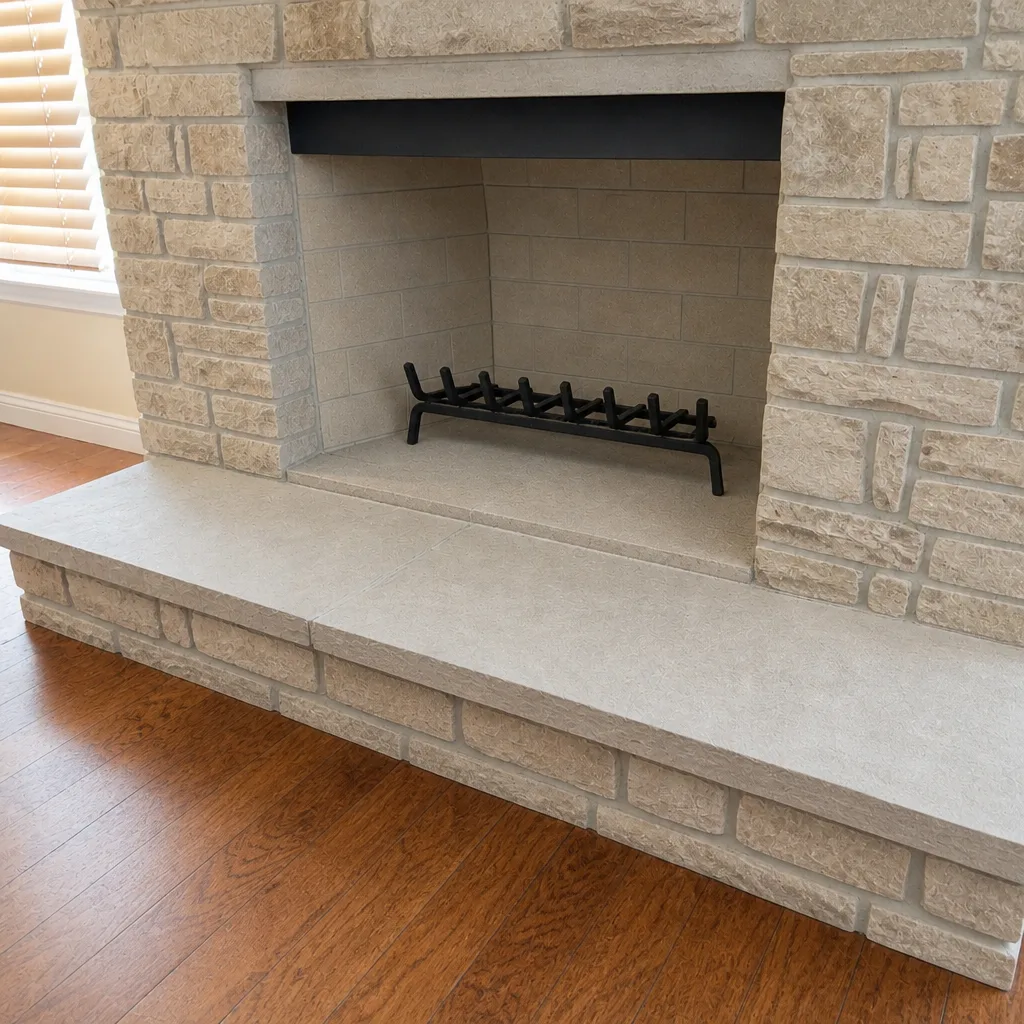 After
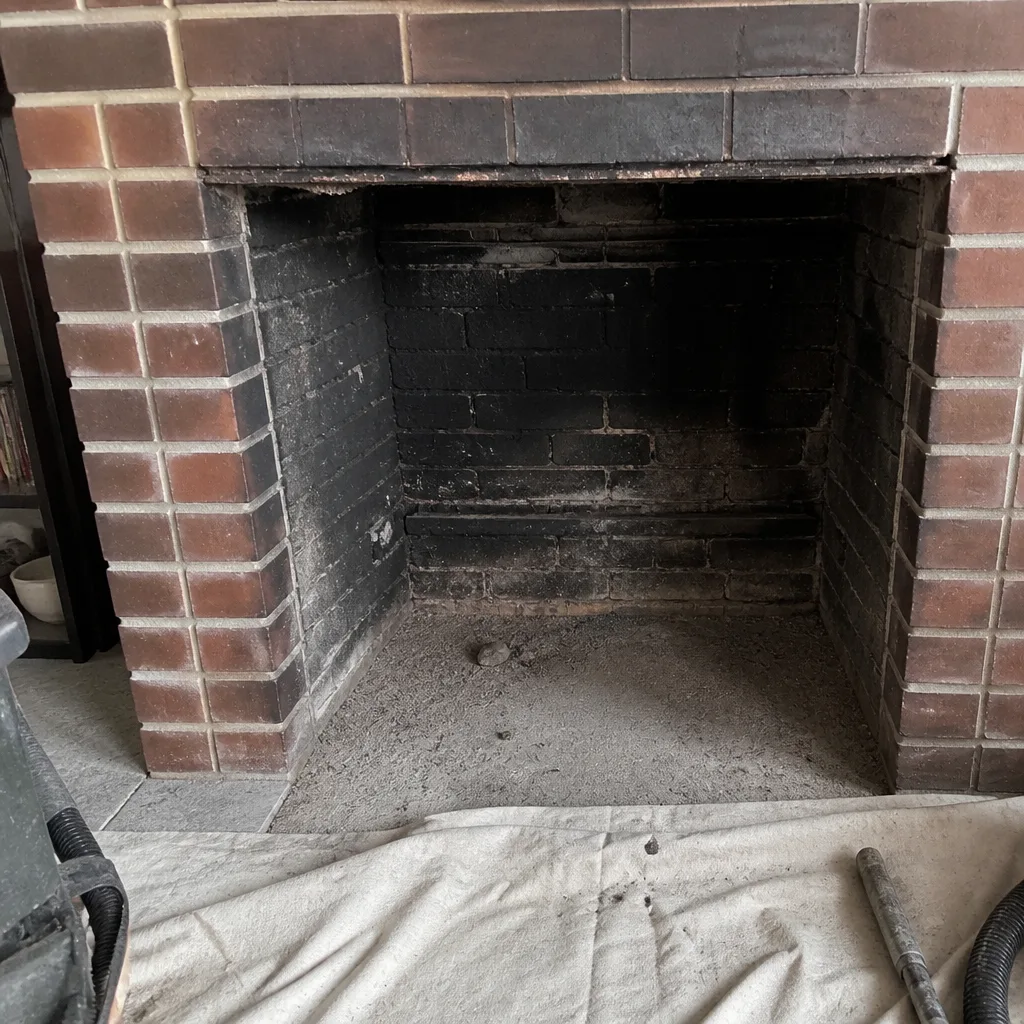 Before
 After
 Before
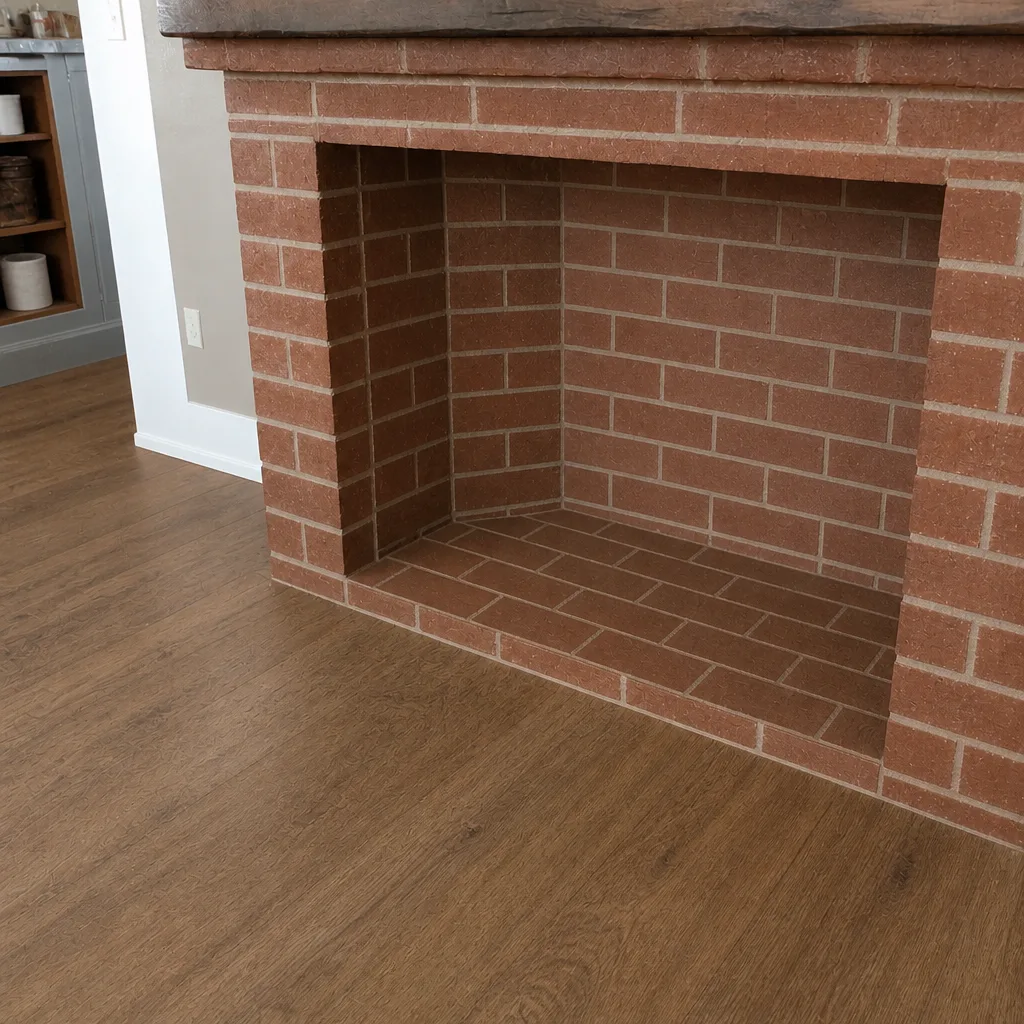 After
When to Call a Professional
Call a professional when any of the following apply, and don’t put off the safety-critical ones. A documented inspection is worth more before the season than after it.
Call for a sweep or inspection if it’s been a season since the last one, if you’re burning wood and have used the fireplace heavily, if you’ve just bought the home and don’t know the chimney’s history, or if you’re preparing to list and need the report for a transaction. Call for a repair assessment if a home inspector flagged the chimney, if an insurer asked for documentation, if a flue has a known crack, or if the crown is letting water in and the masonry is staining.
Don’t attempt a liner install or a crown rebuild as a weekend project. Both cross into permitted repair and require an inspection afterward, and both involve risk to the house and to the person on the roof.
Chimney Sweep American Fork offers free estimates in American Fork. Call (833) 513-8116. We answer 24/7. Fast dispatch from 7am to 7pm, Sunday through Friday. One call covers the sweep, the camera inspection, and the repair if one is needed, and the estimate is in writing before anything is scheduled.
Frequently Asked Questions
No. Routine chimney cleaning is maintenance and doesn’t require a permit in American Fork. The permit applies to repair work that alters the chimney’s structure, such as relining, crown replacement, or structural masonry repair. If a contractor is unsure, ask the city’s building department before the work starts. Call (833) 513-8116 for sweeping and inspection that doesn’t need a permit, and we’ll tell you plainly if a repair does.
It isn’t required to have a routine inspection, but it’s effectively expected in real estate transactions and increasingly requested by insurance carriers. Most buyers, lenders, and insurers want a documented Level 2 inspection. A missing report can hold up a closing or a renewal. If you’re unsure whether you need one, call (833) 513-8116 and we’ll help you sort out the situation.
It can. If a fire or carbon monoxide incident traces back to a chimney, an insurer will ask what was installed and whether it was permitted and inspected. An unpermitted reline leaves that question open, and depending on the policy, it can support a denial or a reduced payout. Permitted, inspected, and documented work is the version that supports a claim. Call (833) 513-8116 to have the current lining documented before something happens.
A code-compliant report identifies the property, the date, the inspecting company, and the inspection level, and records what was accessible and what was found. It includes photos of the flue interior and any problem areas, and notes on creosote, cracks, and the condition of the crown and cap. We include the camera inspection and photo report as part of the visit.
Utah building code references NFPA 211 as the national standard for chimney condition and venting, and the local permit inspection process checks a permitted repair against that standard. In practice, that means a permitted reline in American Fork is inspected by the city or county, and the inspector judges the work against code, which adopts NFPA 211. The standard and the local process aren’t in conflict; they’re the same pathway.
The cost depends on what was installed and what’s needed to make it code-compliant. A HeatShield resurfacing is one path; a full DuraFlex reline is another, and the price is set by a written estimate after the flue is inspected by camera. We don’t quote before we’ve seen inside the flue, because that’s the honest way to price it. Call (833) 513-8116 for a free estimate.
At least once a year, and more often if the fireplace is used heavily. An annual sweep plus a camera inspection catches creosote buildup and small cracks while they’re still inexpensive to address. Skipping years is how a small crack becomes a reline, and how heavy creosote becomes a fire risk. Call (833) 513-8116 to book the sweep.
Keep the permit number, the final inspection record, the material documentation identifying the liner or resurfacing product and its listing, the written estimate and invoice, and the before-and-after photos. That bundle is what proves the work met code years later, and it’s what an insurer or a buyer’s inspector will ask for. If you’re missing any of it, we can help you build the record from a new inspection.
The Bottom Line
The line in American Fork falls between cleaning and structural repair. Sweeping, inspection, and creosote removal are maintenance. Relining, crown replacement, and structural masonry repair are permitted work under Utah building code, judged against NFPA 211 and inspected by the city or county. Listed materials (a DuraFlex or Olympia Chimney liner, a HeatShield resurfacing) are what make a job documentable, and the documentation is what carries you through a sale or a claim. Keep the permit record, the report, the photos, and the invoice. If your chimney’s history is unknown, a documented inspection is the place to start. Written by the team at Chimney Sweep American Fork.
Written by the team at Chimney Sweep American Fork.
Call (833) 513-8116 for a free estimate. We answer 24/7. Fast dispatch from 7am to 7pm, Sunday through Friday.